


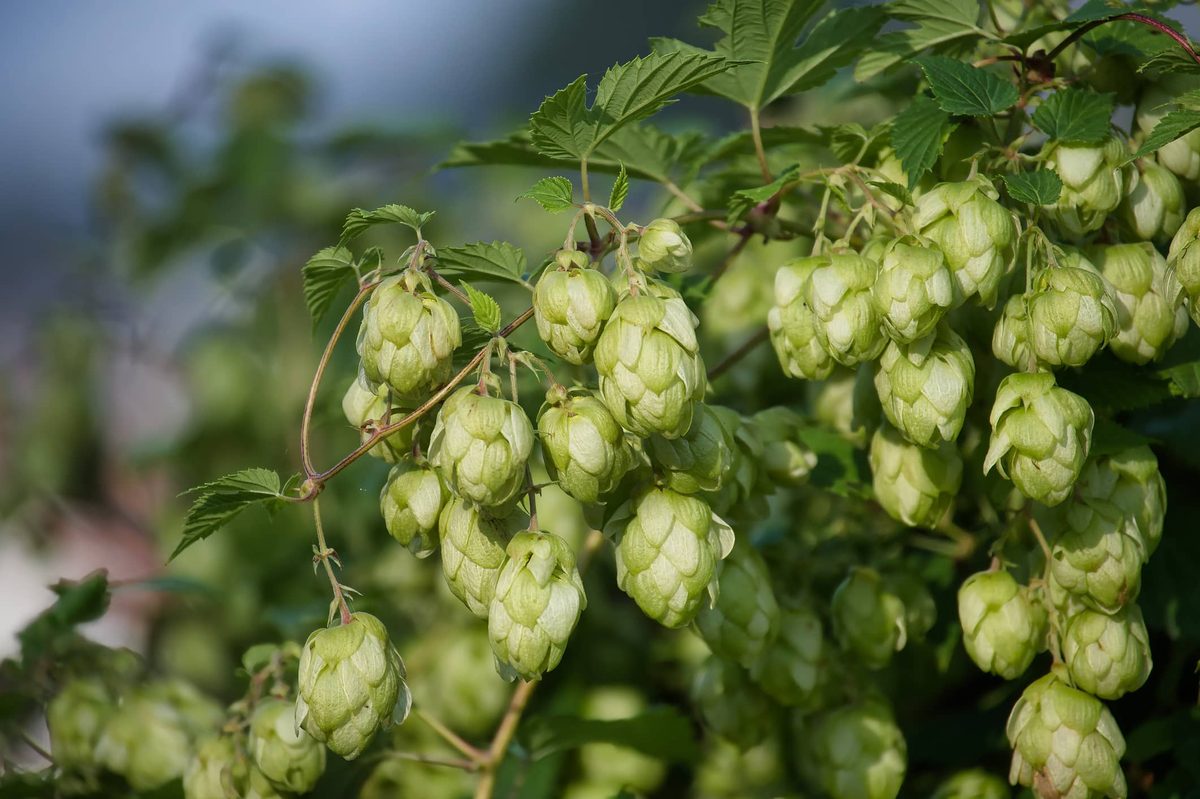
Forget the usual salad and kale. Hidden in your garden and surrounding forests are plants that top chefs spend a fortune on. These aren’t just weeds. They are delicate, rare sprouts with a unique taste that are in demand in top gastronomy.
Such a plant, despite its modest appearance, fetches impressive amounts from specialized markets. The question is: could this be a hidden source of income for you? With the right conditions and a little patience, your garden can be a gold mine.
A plant with an expensive profile
This special wild edible is often overlooked by the average gardener. To the untrained eye, it looks like a common ground cover or an annoying sprout. But in the culinary world, it’s a treat. Chefs appreciate it for its rarity and distinct flavor profile.
The supply is naturally limited. This increases the price. Foodservice buyers are willing to pay higher prices for fresh, high-quality sprouts. This scarcity creates a niche market for home owners.
Why homegrown is better than foraged
You might think you have to go deep into the woods to get these. You don’t do that. You can farm them. This offers several advantages over wild foraging:
- Controlled quality: You know exactly how plants are grown. No pesticides. No pollution.
- Consistent supply: You can harvest on your schedule, not just when you encounter it.
- Higher yield: Proper care leads to stronger shoots than random wild growth.
How to start growing High-Value Wild Edibles
Getting started requires understanding the plant’s natural habitat. These species often prefer partial shade and moist, well-drained soil. Mimicking these conditions is key.
Step 1: Identify the species accurately
Before planting, make sure you know exactly what you are getting into. Incorrect identification can be dangerous. Contact trusted field guides or local botanists. Make sure the plant is truly one of the high-value varieties sought by chefs.
Step 2: Prepare the soil
These plants often thrive in rich, organic soil. Improve your garden beds with compost. Provide good drainage to prevent root rot. The pH of the soil should be slightly acidic to neutral depending on the species.
Step 3: Planting and Spacing
Plant sprouts or seeds in early spring. Place them sufficiently for growth. Overcrowding can lead to diseases and poor harvests. Follow the specific spacing instructions for the plant you are growing.
Step 4: Maintenance
Keep the area free of weeds. Water regularly, especially during dry periods. Mulch the soil around it to retain moisture and control weeds. Watch out for pests and use organic methods when necessary.
Step 5: Harvest
Collect the young shoots when they are soft and before they harden. Use clean, sharp scissors to cut the shoots neatly. This promotes new growth and maintains plant health.
Who buys these high quality plants?
Your potential customers are local restaurants, especially those that focus on farm-to-table or haute cuisine. Build relationships with the chef. Provide samples. Show them the quality of your homegrown produce.
Supply contracts can provide a stable income. However, start small. Build a good reputation. Then scale as
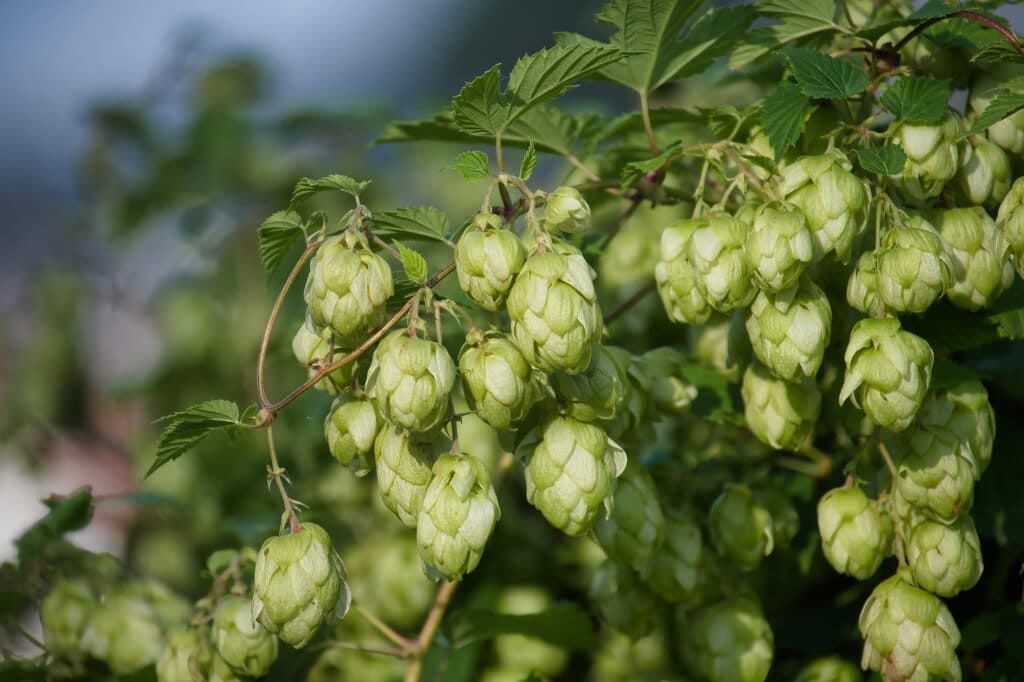

These rare sprouts are in high demand for good reason. The plant is a wild hop that is often overlooked but commands a premium price. Most people know hops as beer, but the young shoots are of serious interest to chefs. They appear in early spring. The texture and taste are often compared to wild asparagus. In Belgium they are called “truffles of the north”. This nickname emphasizes their scarcity and high cost.
Harvesting is a laborious task. Only the top 3 cm of the shoot is edible. The rest becomes woody and tough almost immediately. This sensitive nature explains the high prices in the specialty market. Especially in star restaurants or in connection with top culinary events, a kilo can cost a fair amount.
Growing wild hops in your garden
Wild hops grow naturally in forests and bushes. With the right setting, you can grow it in your own garden. Here’s how to get started.
Choose a suitable place. Hop vines thrive in nutrient-rich, well-drained soil. They prefer partially shaded or full sun locations. Give the plant room to climb. It is a vigorous climber. Install trellises or let it climb over a fence or wall. Natural fertilizers also help. Hops appreciate soil enriched with organic matter. Use compost or manure to promote growth.
When and how to harvest hop shoots
Collect the shoots in early spring. Wait for them to emerge from the ground. For the tenderest and most valuable sprouts, cut them when they are about 15 to 20 cm tall. Remember that only the tip of the stem is edible. The rest are fibrous and tough.
Earn wild hops harvest money
By growing wild hops in your garden, you can harvest the desired gourmet vegetable. You can sell directly to restaurateurs or specialty markets. Profitability can be significant if you know how to position the product.
Here are some ways to maximize your return:
- Sell to gourmet chefs : Top restaurants often use hop sprouts to decorate fine dishes. Contact local chefs to offer your harvest.
- Join a special market : Some fairs and markets focus on rare local products. Wild hop shoots can attract the attention of quality-seeking buyers.
Protect and value wild hops
Although cultivation is possible, it is important to respect the plant in the wild. As with mushrooms, the crop should be harvested in moderation. Over-picking can consume resources. If you find a natural patch, encourage it to spread rather than removing it all.
An unknown treasure within reach
Wild hops are a multipurpose plant with unsuspected value. With care and careful harvesting, you can turn your garden into a culinary gem. Whether for personal use or sale, these valuable shoots offer a unique opportunity for gardeners looking for originality and profit.
The next time you see hops climbing over a fence or crawling into your garden, think about these precious shoots. Who knows? They can make you a small fortune.


