That sticky, heavy feeling in the air? It’s not just in your head. Whether you live near the coast or in a humid inland valley, high relative humidity can turn your house into a sweatbox. It frizzes your hair, makes clothes feel damp, and settles a musty smell in the corners. But the problem goes deeper than comfort.
When the air holds too much water vapor, it creates a breeding ground for trouble. Mold, mildew, and dust mites thrive in that moisture. Your wooden structures can warp or rot. Your furniture gets damaged. Pests like silverfish and roaches move in because they love damp spots. Even your respiratory health takes a hit. For people with allergies, asthma, or colds, high humidity makes breathing feel like pushing through wet cotton.
Why Your AC Isn’t Fixing the Moisture Problem
You might think your air conditioner is enough. It is, in a way, a dehumidifier. It pulls warm air in, passes it over cold coils, and lets the moisture condense and drip out. The catch? It does not reheat the air before blowing it back out. It cools the room first. Once the thermostat hits your set temperature, the fan stops.
That’s where the issue lies. Your AC is driven by temperature, not humidity. It has no humidistat to sense how much water is actually in the air. So, even if your house feels cool, the humidity can creep right back up. You end up with a cool, damp house that still feels muggy. A dedicated dehumidifier solves this by focusing entirely on moisture removal. It cools the air to pull out the water, then reheats it before releasing it back into the room. You get dry air without making the house feel like a freezer.
The 30-to-50 Percent Rule
So, what number should you be aiming for? In a standard home at 68 degrees Fahrenheit (20 degrees Celsius), the ideal relative humidity range is between 30 and 50 percent.
To understand why that range matters, look at the math. At that temperature, one cubic meter of air can hold about 18 grams of water. That is 100 percent saturation. If you are hovering near that limit, every surface in your home is essentially sweating. A dehumidifier steps in to keep you safely away from that saturation point. It protects your walls, your books, your electronics, and your lungs.
How the Machine Actually Works
The technology is simple. It mimics the condensation you see on a cold soda can on a hot day. The cold surface pulls moisture out of the warm air.
A standard dehumidifier runs on a five-part cycle:
- Fan: Pulls the damp air from the room into the unit.
- Compressor: Cools a refrigerant gas (like freon) to chill the internal coils.
- Coils: The air hits these cold coils. The moisture in the air condenses and drips down.
- Reservoir: The water collects in a bucket or drains out via a hose.
- Reheater: The now-dry air is warmed slightly and blown back into the room.
Most units come with a removable plastic bucket. If you are running the machine in a very wet basement or during a rainy season, you will not want to dump that bucket every few hours. Look for a model with a continuous drain option. You can hook a hose up to send the water directly to a floor drain or a pump. For extreme conditions, a unit with a built-in condensate pump is the move. It actively pushes the water out rather than relying on gravity.
Setting the Right Level with a Humidistat
You do not have to guess when to turn the machine on or off. Most dehumidifiers include a humidistat. This is a sensor that monitors the air in real time. You set your target level (say, 45 percent), and the machine handles the rest.
The sensor works using two metal conductors that change electrical resistance based on the humidity level. A relay amplifier reads that resistance and tells the fan and compressor to cycle on or off. It is an automatic feedback loop that keeps your home stable without you having to check a gauge every hour.
The bottom line is that dry air is healthy air. It protects your property and your health. Before you buy a unit, understand that you are not just buying a fan. You are buying a moisture control system. The next step is figuring out which size and type fits your specific space.
Desiccant dehumidifiers: the low-temperature workhorse
Refrigerative units get the spotlight, but desiccant dehumidifiers pull their own weight. They work differently. Air passes over a desiccant material, typically silica gel. You know the stuff. Those tiny packets inside new sneakers or electronic boxes? That’s it. Desiccants absorb moisture naturally without needing to cool the air first.
This matters when it gets cold. Refrigerative units struggle below freezing temperatures. Desiccant systems do not. They keep working in sub-zero conditions, which makes them ideal for unheated basements or northern climates where winter chill can freeze a standard unit’s coils. The technology is straightforward. No complex cooling cycles. Just absorption.
Matching the machine to the space
Most dehumidifiers differ mainly in size and capacity. Portable units are what you see in the home improvement aisle. Plastic housing, lightweight, affordable. They handle bedrooms, kitchens, or small living areas well. If you are tackling DIY moisture control in a single room, this is usually your starting point.
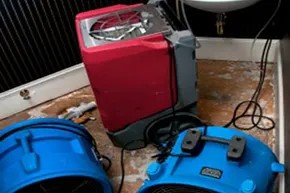
Then there are restoration dehumidifiers. These are heavy-duty machines built to withstand harsh environments. Professionals use them to dry out homes after hurricanes or severe leaks. They are not typical household items, though some homeowners keep them in storage for emergency use.
Whole-house dehumidifiers are the biggest option. They integrate into your existing heating, ventilating and air conditioning (HVAC) system. You cannot just plug one in. A professional must install it. They manage humidity for the entire structure rather than one room.
Two other specialized categories exist. Crawlspace dehumidifiers are sized specifically for under-floor storage areas where moisture builds up quietly. Indoor pool and spa dehumidifiers are built to handle the intense humidity generated by water features. If you have a pool indoors, a standard unit will struggle.
Silica gel: the DIY alternative for tight spaces
Do not have a dehumidifier for a tiny spot? Think closets, small crawlspaces, or sealed storage bins. Silica gel works as a passive moisture absorber. You can buy it at home improvement stores or pet supply shops. It is reusable. Heat the crystals in your oven or leave them in direct sunlight to restore their drying capacity.
Some products include color-changing indicators. The crystals shift hue when saturated, telling you when it is time to recharge them. This is a low-power, low-cost way to manage localized humidity. It will not dry out a large living room, but for a damp closet, it beats doing nothing.
How this makes your home greener
Choosing the right dehumidifier can lower your energy footprint. A unit that runs efficiently in your specific conditions uses less electricity than an undersized or mismatched one. Desiccant units, for example, may outperform refrigerative ones in cold climates without requiring supplemental heating. That efficiency adds up over time. Whether you install a whole-house system or buy a portable unit, picking the right type reduces unnecessary energy draw while keeping mold and mildew at bay.
Why Your Electric Bill Spikes When the Air Feels Heavy
That portable unit humming in the corner? It’s a power hog. We’re talking 160 kilowatt hours per month, which actually outpaces what your refrigerator consumes. It does sit below the average air conditioner, which usually burns through around 300 kWh. But here is the twist: high relative humidity makes your brain register the temperature as hotter than it actually is. If you keep the air dry, you might not need to crank the thermostat as hard. That reduction in cooling demand can offset some of that dehumidifier usage.
To keep your utility costs down and your carbon footprint in check, stop leaving the machine on 24/7. Set the humidistat to 50 percent, not 30. Most people think lower is better, but 30 percent is overkill for most homes and wastes electricity. Keep doors and windows shut while it runs.
Placement matters. Most units blow air out the top, but if yours doesn’t, back it away from walls and heavy furniture. Air needs to move. If you block that flow, the machine works harder for less result. Also, keep it away from dusty corners. A clogged filter kills efficiency fast. Check that mesh and clean it regularly. It’s a five-minute task that saves you money and extends the life of the hardware.
Can You Reuse the Water in Your Dehumidifier Bucket?
You’re sitting there with a full bucket of water. Is that a waste? Not necessarily. That liquid is greywater. You can’t drink it. It’s not potable. But for your houseplants? It’s fantastic. It’s less salty than tap water, which makes it gentler on sensitive roots.
Just check local regulations before you start watering the garden with it. Some municipalities have specific rules about greywater disposal and reuse. If you’re unsure, stick to the drain. But if you have a balcony garden or a few pots on the windowsill, it’s a zero-cost resource.
Do You Actually Need a Dehumidifier in Your Home?
Maybe you don’t. Buying one for $150 or more just to have a bucket of standing water in your living room might not be worth it. Before you spend that cash, walk through your house. Look. Smell. Listen.
The obvious signs:
– Wet stains on walls or ceilings
– Rotting or weakened wood
– Visible mold or fungus
– Condensation on windows
– Peeling wallpaper or blistering paint
– That general musty, stuffy feeling
The subtle signs:
– Doors or cabinets sticking
– Windows that won’t close flush
– Creaky floors
Wood swells when it absorbs moisture. That swelling pushes apart joints. It loosens screws. It compromises structural integrity. Those noisy stairs? They might be telling you your joists are taking on water. If the humidity is the root cause, ignoring it will make the problem worse, not just noisier.
Allergies are another factor. Dust mites, fungus, and mold thrive in damp air. If you’re sneezing constantly, drying out the air might be the fix. And even if you don’t have allergies, mold is a health risk. It just needs a damp surface to start. Once it’s there, it’s a nightmare to remove. It stains. It damages. It spreads. Prevention is cheaper than remediation.
Insects love moisture too. Roaches, silverfish, spiders, centipedes. They are drawn to damp corners. A drier home is a less attractive home for them. Plus, if you’re dealing with a cold or a congested cough, the drier air might help you breathe easier and sleep better.
Preventing Humidity Without a Machine
If you’re not buying a dehumidifier, you still need to manage moisture. Start with the leaks. Fix the plumbing. Patch the foundation cracks. Clean the gutters. Water shouldn’t be seeping into your structure.
In the kitchen and bathroom, those high-humidity zones, use the exhaust fan. Or open a window. Before you cook, before you shower. It’s simple. It’s free. And it stops the moisture from building up in the first place.
How to Maintain Your Unit for Longevity
How often should you clean or maintain a dehumidifier to ensure it operates efficiently?
Regular cleaning of the air filter is key. Empty the water container as needed, typically every few weeks depending on usage. If the filter gets dirty, the airflow drops. If the airflow drops, the energy use goes up. Keep that mesh clean. It’s the single most impactful maintenance task you can do.
Can a dehumidifier work in any size room, or is there a limit to its effectiveness based on space?
There is a limit. Dehumidifiers cover specific area sizes. A unit meant for a 300-square-foot room will struggle to keep a 1,000-square-foot basement dry. Choose a unit that matches the square footage of the room where you plan to use it. If you buy too small, you’ll run it constantly, which defeats the energy-saving purpose. If you buy too big, you’re paying for capacity you don’t need. Match the tool to the space.
Dehumidifier Buying Guides and Technical Resources
If you are ready to buy a unit, you need to look past the marketing fluff. The references below break down exactly what you are paying for. Consumer Reports tested various models back in 2008, offering a baseline for what performance actually looks like in a real home. If you are trying to decide between a small basement unit and a whole-house system, Dehumidifier Experts provides a direct comparison. They explain how relative humidity moves through a space and why a single box in the corner might not fix a leaky roof situation.
Energy Star standards matter for your electric bill. Nebraska Public Power District data shows the operating costs of household appliances, which helps you calculate how much a 50-pint unit costs to run versus a 20-pint model. It is not just about removing moisture. It is about the electricity required to run the compressor and fan.
Understanding Mold, Allergies, and Indoor Air Quality
Why do you need this? The EPA’s “A Brief Guide to Mold, Moisture, and Your Home” is the definitive source for why humidity kills drywall and promotes mold growth. It outlines the specific danger zones in your house. If your walls are sweating, this document tells you why.
Allergy sufferers should look at Achoo Allergy and Air Products. They detail how dehumidifiers reduce allergen loads. You are not just drying your laundry. You are reducing the dust mite population in your carpet. How does toxic mold make you sick? That is a separate rabbit hole, but the connection to moisture is direct. The EPA guide links the two.
Practical DIY Questions and Miscellaneous Uses
Can you use the collected water for plants? Treehugger asked exactly this question in 2005. The short answer is usually yes, but with caveats. The water is technically deionized, meaning it lacks the minerals plants often need. Some homeowners use it for hydroponics or as a top-up for aquariums. Others just dump it into the toilet to save on wastewater treatment. It is free water, but it is not tap water.
For the mechanics, Marshall Brain and Charles W. Bryant’s “How Air Conditioners Work” is essential. A dehumidifier is, mechanically, a small air conditioner running without the cooling coil. Understanding the refrigeration cycle helps you troubleshoot. If your unit is blowing warm air, that is normal. It is rejecting heat along with the moisture.
Keeping Pests Out While You Manage Humidity
Damp homes attract pests. Consumer Reports and Dehumidifier Experts both note that lower humidity makes your home less attractive to silverfish, carpet beetles, and cockroaches. You are not just managing air quality. You are managing an environment that pests find hospitable. If you fix the humidity issue, you might solve a pest problem without reaching for the spray bottle.
The related articles listed in the source material cover adjacent topics that often overlap with humidity control. Keeping pests out is one thing. Allergy-proofing your home is another. These systems work together. A dry home is a healthier home, whether you are fighting mold spores, dust mites, or just that stuffy, heavy air that makes you feel tired.