


十月中旬。 光线越来越暗。 你的草坪很累了。 土壤干燥。 感觉园艺季节已经结束了,但这是一个陷阱。 许多房主认为,在不付出努力或抗击干旱的情况下种植任何东西都为时已晚。 他们错了。
您仍然可以保留花园的美感。 你仍然可以给土壤施肥。 您只需要合适的三人组。
现在种植的这三个幸存者,在夏季花朵褪色很久之后,就会为您的院子带来色彩、结构和生态重量。 我们谈论的是西洋蓍草、黑接骨木和罂粟。 这与高维护的花坛无关。 这是关于韧性的。 这是为了创造一个适合你的花园,而不是相反。
为什么园林设计师喜欢这个有弹性的三人组
法国的面貌正在发生变化。 气候正在发生变化。 下雨不太可靠。 夏季炎热更加强烈。 传统的耗水草坪正在成为一种负担。 园林设计师正在转向支持生物多样性的低维护抗旱花园 。
西洋蓍草、黑接骨木和罂粟成为这一转变的首选是有具体原因的。 他们很坚强。 它们色彩缤纷。 它们很实用。
这些植物不仅仅坐在那里。 它们茂密的叶子覆盖了地面。 这样可以抑制杂草。 它使土壤保持凉爽。 它刺激了地下的生命。 它是对太多郊区庭院的高强度草地的直接替代。
这些植物如何改变秋季土壤健康
这是大多数人忽视的部分。 视觉吸引力是显而易见的,但根系才是真正的资产。
随着秋天的到来,这些植物会形成茂密的根系 。 这起到了天然曝气器的作用。 它吸收养分并塑造土壤。 当叶子掉落时,它们会迅速分解。 这会产生丰富的腐殖质。 腐殖质为微生物提供食物。 它庇护着蚯蚓。 它使土壤在整个冬天都保持活力。
在斜坡或裸露区域,这种根垫可以防止侵蚀。 当雨来临时,它把一切都聚集在一起。 这是一个悄无声息的地下基础设施项目,将在春天获得回报。
西洋蓍草:干旱土壤的盟友,点亮十月
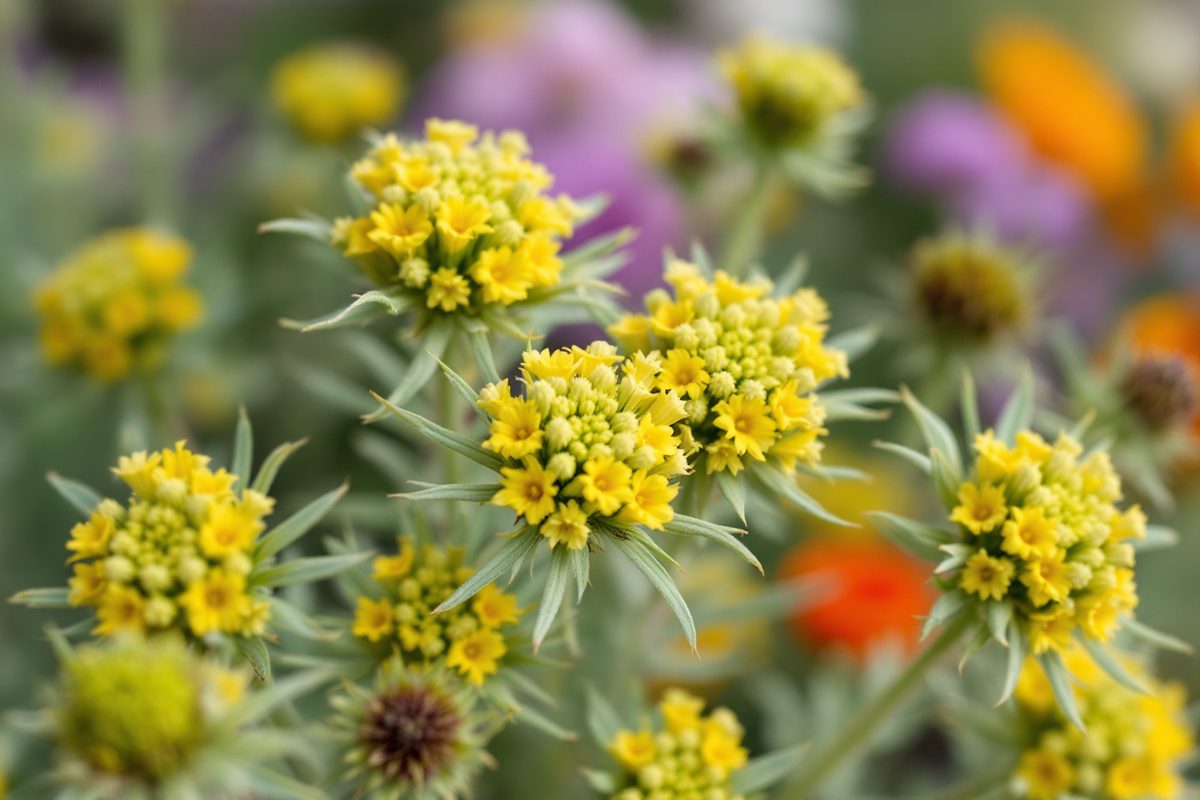
If you look at your plot in late October, you will notice that yarrow (Achillea millefolium) is often the only undamaged plant. It has a flat top. It is yellow or pink. It does not mind cold nights or poor soil.
Offers a longer flowering period. Blooms without help from early summer until the first frosts. It frames garden beds that might otherwise look messy and brown. It is the basis of natural design.
正确种植西洋蓍草
We want to get the plants planted before winter comes. they need to calm down.
- Location: Sufficient sunlight. Yes, the sun shines a lot. They hate wet feet.
- Soil: Well drained. Can also be used on stony or poor soil. In fact, it’s better.
- Preparation: Remove weeds. Do not pour the soil too deep. Clear it.
- Distance: 30-40 cm between plants.
This gives them room to breathe and form a dense mat.
5.
Protection: Add dead leaves or wood chips.
This protects the young roots from freezing.
6. Water: Water once.
Let nature do the rest. Do not overwater. Yarrow is drought tolerant. Too much water causes root rot.
黑接骨木:花园中的生物多样性和结构
The elderberry (Sambucus nigra) is a symbol of the French countryside. It is more than just a bush. It’s a habitat. It tends to sag a bit. The leaves are dense. It produces shiny black fruits from late summer to autumn.
These fruits are a food source for birds. Robins. Blackbird. Tit. They come to eat fruit. They stayed there and took cover. This way we can promote biodiversity in times of food shortages.
Grows very fast. Can also be used dry in summer. Acts as protection. It acts as a screen that blocks the view of the neighbors. Even after the leaves fall, they add volume to your garden all year round.
种植黑接骨木的专业技巧
你希望它在地面结冰之前扎根。 十月是甜蜜的时光。
- 地点: 阳光或部分阴影。 避免积水的地方。
- 时间: 立即种植。 让秋雨助其生根。
- 水: 种植后立即浇水。 之后,依靠自然降雨。
- 修剪: 等到春天。 然后,轻轻修剪幼芽,以形成平衡的框架。
这只是开始。 罂粟带来了一种不同的野性之美,它依靠自我播种和纯粹的意志力,在其他事物失败的情况下茁壮成长。
Why do Poppies thrive in autumn without additional water
Most people imagine Poppies purely as the stars of spring or early summer. This is a mistake. If you look closely at a well-manicured bed in October, you can often see wild poppy flowers that can withstand the fading light. They don’t care about your soil life type. They don’t beg for weekly watering. They just appear bright red and defiant when everything else is silent.
This is not magic. It’s biology. Poppy seeds germinate spontaneously in most French soil lifes. They can survive for weeks without rain. For lawn mowing or homeowners battling drought restrictions, they’re a low-maintenance dream. The plant self-seeds freely. Next year you get a new shade for free. And when they bloom, their roots protect the soil life below.
Planting a poppy for frequent, long-lasting blooms
You don’t need a green thumb. You need patience and a rake. Here’s how you can install a patch of these annuals to your flower bed:
- Sow in October. Sprinkle the seeds directly on bare soil life. Don’t wait for spring.
- Cover lightly. Pull the top layer of soil life over the seeds with a rake. Just a thin layer. Don’t bury them deep.
- Skip watering. Let the fall rains do their work. Water only in case of severe drought.
- Leave spent flowers standing. Do not cut spent flowers. Let them dry and drop the seeds. This guarantees the next generation.
No fertilizer is needed. No staking. Just soil life, seeds and time.
A combination of achillea, black elderberry and poppies
Even one poppy is beautiful. Trio is a landscape strategy. Mixing achillea, black elderberry and poppies creates a sustainable ecosystem. It’s not just about looks. It’s all about function.
Achillea takes care of the front lines. It structures your borders and thrives in dry places. Black elderberry in the background. It provides shade, volume and protection. Poppy fills the gaps. It adds movement and color to open spaces.
Together, they make a high-maintenance lawn unnecessary. They work on the slopes. They work in poor soil life. You save water. You save energy. And they look like paintings.
Promote soil life health and prepare for winter
Even when the frost descends, this combination still works. Plants continue to feed the soil life. They are home to insects and beneficial wildlife. They keep your beds from looking dull and muddy during the rainy season.
Since you plant them in October, they get a head start. They take root before the ground freezes. When spring comes, they bounce back with vigor. No long winter recovery. No new beginning.
Whether you love zen gardens, Mediterranean styles, or just a tidy urban terrace, these perennials and annuals are smart allies. They offer a natural, versatile aesthetic. They multiply the lawn’s options. They transform your outdoor space into a living, breathing image that will last until the end of autumn.
The task is simple. The payoff is wild.


