


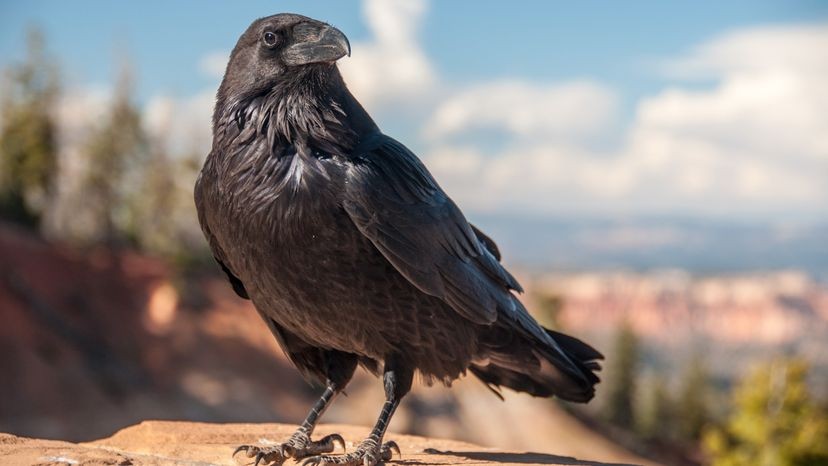
Crows are very intelligent. Really smart. Pop culture loves them for that. This documentary celebrates their use of tools and social bonds. But when they appear on the fence line, that admiration quickly disappears. You don’t want to have a philosophical conversation with your bird. You want it to go away.
If you’re into the squawking, the mess, and the sheer audacity of these birds, you’ve come to the right place. Let’s talk effective ways to get rid of crows.
From a distance, it looks majestic. If you look closely, they are pests. They tear up trash cans. They dig up your fresh vegetable soil. They screamed at dawn like it was the end of the world. They’re not just a nuisance. they are very tenacious. It’s hard to fool them.
Dealing with them requires more than hope. This requires strategy. First, you need to understand what you’re up against. Crows are very adaptable. they are very intelligent. They are creatures of habit. Once you understand this, you can push them out.
Why is it hard to get rid of crows
Crows belong to the genus Corvus**. they are everywhere. Rural fields. Dense city. Their black feathers hide complex thoughts.
Intelligence and memory
Their brains work similarly to primate brains in many ways. They solve difficult problems. They use sticks to remove insects. They remember people’s faces. If you wronged a crow three years ago, the crow remembers. It will tell its friends.
This social structure makes them formidable. They communicate constantly. They share information about food sources and risks. In some cultures, they are symbols of wisdom. In your backyard, they are just a nuisance.
Adaptability
Where people are comfortable, they are comfortable. If they have food, they have a home. they eat insects. Seeds. meat. waste. They adapt to any climate. This makes it difficult for them to leave permanently.
Conflict between humans and crows
The relationship is hostile. they are scavengers. In cities, loud chirping at dawn can disturb sleep. They throw garbage everywhere. In the countryside, they eat agricultural products. they are opportunists. They don’t care about your property lines.
Realizing this does not mean becoming friends with them. It’s about understanding why they stay. It stays because it’s easy. They stay because you make it easy.
Why crows are a problem
Admiring their intelligence doesn’t stop the damage. This is what happens when they decide your garden is theirs.
- Crop Destruction: They stripped the soil for the Seedss. They eat ripe fruit. Farmers lose crops. Gardeners lose harvests.
- Urban Nuisance: The noise continues. There is trash everywhere. They knock over trash cans. They scatter trash across the street. This is unsanitary. It’s noisy.
- Health risks: They carry diseases. West Nile virus is dangerous. Their feces contain bacteria and parasites. Walking on them is not ideal.
- Aggression: Defending the nest is serious work. During breeding season, they swoop. For dogs. At cats. For people. They don’t care if you’re just passing through.
How to Keep Crows Away: A Homeowner’s Guide
Crows will eat anything. Seeds. vegetables. leftover pizza. To stop them, we need to change the environment. You need to make your property unwelcoming.
Visual and auditory deterrents
Make your garden look dangerous. Make it sound dangerous.
Visuals matter. Scarecrows work for a week. Then the crow realized it was plastic. The reflective bird tape flashes light. This confuses them. A plastic owl sits on a fence. They work until the crows notice that the owl was not moving.
Fake dead crows works surprisingly well. They signal danger. But rotate them. Move them. Crows are smart enough to detect static decoy.
The sound also works. Play distress calls. Play Hawk’s Cry. However, use with caution. If the sound continues, the crow knows it means nothing. Occasional disease outbreaks create uncertainty. Uncertainty drives them away.
Habitat change
Why are they here? Food. Shelter.
Remove the food. Secure trash cans with tightly closed lids. No loose bags. No open cans. Lift the pet’s food bowl after every meal. Compost containers must be closed. If the crow can get in, they will.
Trim trees. Clear branches where they roost. They like heights. Cut them off.
Install barriers. Bird spikes on ledges. Put a net in your garden. It’s not pretty. it works.
Repellents and Exclusion
There are chemical repellants. They are non-toxic. It smells bad to birds. Follow the label. Don’t guess. Follow local wildlife laws. Certain chemicals are restricted in some areas.
The Internet is your garden’s best friend. There was a lot of mulch. Cover your balcony. Cover the eaves of the nesting area.
Crows are very intelligent. they are very tenacious. They test your defenses. Speed is the key. Don’t wait until the nest is full of eggs. We will deliver on time.
Be active. Try different methods. Combine sound and vision. Remove the food source. Change the layout. It takes effort. But you can win.
Find a compromise with the crow
Fighting Crows is not winning a war. It’s about dealing with a neighbor dispute where one of your neighbors is very smart and ignores your property. If you’re looking for a humane crow repellent that actually works, you need to stop thinking like an exterminator and start thinking like an ecologist.
Crows are tricky. they are very noisy. They will throw shells at your car. But they are also a keystone species. They clean up the waste. They control insect populations. Removing them completely often leads to more serious problems. Wasp. Mouse. jump.
So how can you keep them out of your garden without killing them?
The psychology of crows
Crows remember faces. they hold a grudge. They teach children about dangers. This is why static damping fails so quickly. A plastic owl? One afternoon they discovered it was a fake. Scarecrow? They sit on it and poop on you.
A dynamic strategy is needed. Something that moves. Something doesn’t sound right. A seemingly unpredictable event.
Movement and sound
The wind chimes don’t ring. It’s very rhythmic. Crows are used to the rhythm. What works is chaos. They are randomly placed. A sudden sound.
●Reflector tape rotates strongly in the wind.
– The solar powered lights flash irregularly.
– A sound device that plays the distress calls of other crows, but only when triggered by movement.
The key is unpredictability. If the crow can predict your defense, it will ignore it. If you can’t do that, you’ll get angry. Crows do not like to be annoyed. They move towards softer targets.
Habitat change: Restoration in practice
Most crow problems are caused by food intake. they are scavengers. they are opportunists. If you make it difficult for them to eat at home, they will leave.
- Protect debris: Use bungee cords. Use a lid with a lock. If your trash is a buffet, you feed them.
- Clean the fruit: If you have fruit trees, sweep the ground daily. A falling apple is a crow’s gold.
- Pet food: Do not leave dog or cat food outside overnight. This is a sign of unlimited food.
This is not just for convenience. This is about breaking the connection between home and simple calories.
When to contact a professional
In some cases, you may need a backup. In many places, crows are protected by migratory bird agreements. You can’t hurt them. In some jurisdictions, you cannot catch them without a warrant. This is where professional wildlife removal comes in.
But don’t hire people who want to poison them. Find a licensed humane removal specialist. They physically prevent access with netting, nails and one-way gates. They block entry points. They make the house structurally unsuitable for nesting.
“The goal is not to eliminate the crow population, but to make certain areas less attractive to crows.”
The reality of coexistence
You can never delete them. Not completely. they stay. they are very intelligent. they are very flexible.
However, you can reduce collisions. You can protect your garden. You can store your car without a case. You can sleep with the window open.
It will last


