


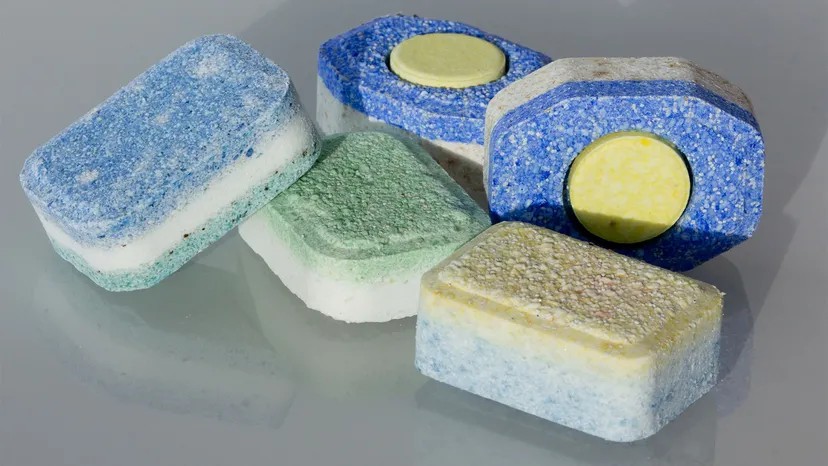
That bulk bin at the warehouse club is dangerous. You walk in for dinner, you leave with forty pounds of dishwasher tablets you will never actually use for dishes. Stop feeling guilty about the hoard. Those little, brightly colored discs are not just for your silverware. They are industrial-grade cleaning agents disguised as convenience.
Most brands share the same chemical DNA: a blend of surfactants, enzymes, bleaching agents, and high pH alkalis. They are engineered to dissolve instantly in hot water and break down tough organic matter. You drop one in the dispenser on the dishwasher door. The machine locks. The water heats. The tablet melts. It creates a caustic, sparkling environment inside your appliance.
But why limit that power to stained forks? The chemistry works on grease, mildew, and burnt carbon just as well on your toilet bowl as it does on your spoon. Here is how to put that surplus inventory to work.
Scrubbing the Toilet Without the Smell
This is the chore everyone avoids. Make it easier. Toss a single tablet into the bowl. Let it sit for a minute while the powder begins to break down. Grab a brush. Scrub. The paste acts as an abrasive cleaner while the chemicals lift the biofilm. Flush. Done. No harsh fumes. No elbow grease required.
Resetting the Washing Machine
Your washer takes a beating. Water, lint, soap residue, and skin cells create a perfect breeding ground for mold. That musty smell? That is bacteria winning. Kill it. Drop two tablets into the empty drum. Four if your machine is massive or particularly foul. Run a cycle on the highest heat setting. The hot water activates the bleaching agents. The machine comes out smelling like nothing at all.
Stripping the Dinginess from White Fabrics
White towels turn gray. Sheets look yellowed. The bleach in these tablets is potent. It strips stains that regular detergent leaves behind. Add one tablet to your load of whites alongside your normal detergent. Watch the dinginess vanish. You are essentially giving your linens a chemical bath. They come out looking like they just left the factory.
Erasing Toddler “Art”
Markets on drywall. Crayon on hardwood. It happens. You do not need expensive solvents. Fill a bucket with warm water. Drop a tablet in. Let it dissolve completely. Dip a sponge. Wipe the wall. The alkaline solution lifts the wax and pigment from the surface. It works on floors too. Just rinse well.
Degreasing the Oven Door
Oven doors are greasy traps. Baked-on splatter ruins the look of the whole kitchen. Powder tablets work best here because they create a thicker paste. Put on rubber gloves. Safety first. Wet a spray bottle with plain water. Wet the tablet. Scrub the tablet directly onto the glass. The abrasion combined with the caustic cleaner breaks down the carbon buildup. Wipe away with a dry paper towel. Then a wet one to remove chemical residue. Repeat on racks and sides if needed. Do not rush this. Let the chemistry work.
Reviving Patio Furniture
Plastic and metal chairs collect pollen, dust, and winter grime. They look dull in spring. Bring them out. Wear gloves. You have two options. Scrub the furniture directly with a damp tablet. Or dissolve it in warm water and use a sponge. Both methods remove the natural oils and dirt that stick to outdoor surfaces. If you have wood or wicker, skip the tablets. Use an oil-based soap instead. These cleaners are too harsh for natural fibers.
Releasing Burned Cookware
Dinner went too long. The pan is black. Do not scrub until your hands bleed. Fill the pan with water. Add a tablet. Bring it to a boil. Turn the heat down to low. Simmer for ten minutes. The heat accelerates the breakdown of the burnt food. The tablet loosens the bond between the food and the metal. Drain. Wipe. It should slide right off. If spots remain, repeat.
Deodorizing the Trash Can
Your kitchen bin smells. Even when it is empty, that odor lingers. Fill it with boiling water. Carefully. Do not crack the plastic. Drop in a tablet. Let it soak for ten minutes. The boiling water kills the bacteria. The tablet neutralizes the remaining odors. Pour it out. Wipe dry. It is clean. It is fresh. It is ready for the next load of garbage.
Removing Oil Stains from Driveways
Gas spills. Oil drips. These stains ruin the look of a concrete garage or driveway. Dampen a tablet until it turns into a crumbly paste. Spread it over the stain. Let it sit for a few days. The chemicals absorb and break down the hydrocarbons. Rinse with water. The stain is gone. Or at least, significantly faded.
The DIY Alternative
If you are still worried about having too many, make your own. You need baking soda, washing soda, citric acid, salt, white vinegar, and essential oil. Mix them in silicone ice cube trays. Let them dry. You get the same cleaning power without the bulk buying. It is cheaper. It is customizable. And it keeps the warehouse clerk from judging your cart.
The chemistry is simple. High heat. Strong alkalis. Abrasive action. It removes dirt. It kills bacteria. It breaks down grease. You just have to stop seeing them as dishwashing aids. Start seeing them as a multi-surface cleaning solution. Keep the bulk bin in mind. You will need more than you think.


