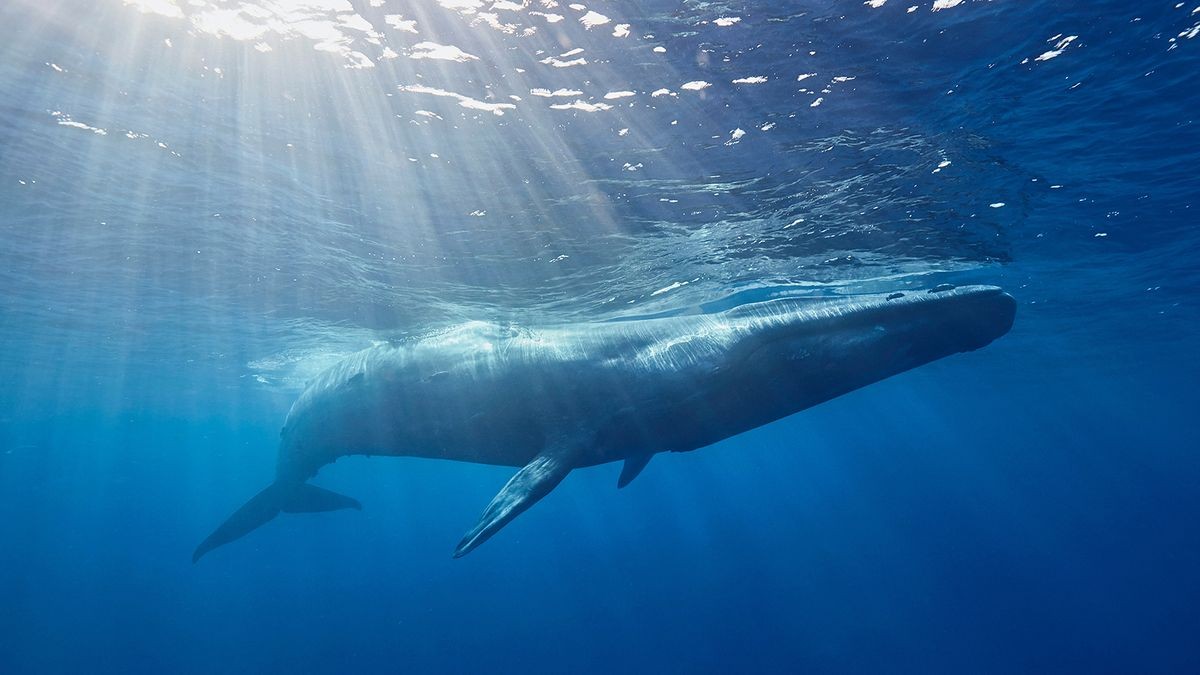
The world’s largest mammals are changing their behavior in a disturbing trend. Blue whales in the Pacific Ocean are becoming increasingly silent, and scientists are scrambling to understand why. This isn’t just about whales stopping their songs; it’s a sign of deeper disruption in marine ecosystems.
The Disappearing Songs
Recordings reveal drastic year-to-year variations in blue whale vocalizations, including periods of almost complete silence. These songs aren’t random noise; they are critical for communication, especially during mating season. The sudden quiet raises questions about whale behavior and the health of their feeding grounds.
Heatwaves and Hunger
The primary driver behind this silence appears to be marine heatwaves. Rising ocean temperatures disrupt the food chain, specifically krill, the blue whale’s main food source. When krill populations decline, whales spend more energy searching for food, reducing the time and energy they have for singing.
This isn’t just about temperature, though. Anchovy populations also shift with warming waters, forcing whales to travel farther for prey. This creates a double stressor: reduced food availability and increased energy expenditure.
Why Does This Matter?
The silence of blue whales is a symptom of a larger crisis. Ocean temperatures are rising faster than ever, and extreme marine events are becoming the norm, as tracked by organizations like NOAA and the World Meteorological Organization.
The decline in whale song isn’t just an ecological concern. The ocean’s largest animals are essentially giving scientists an early warning system. These shifts in behavior correlate with broader changes in the marine environment, impacting fisheries, coastal communities, and global food systems.
Cumulative Stressors
Blue whales already face pressure from historical whaling, pollution, and ship noise. Adding climate change and collapsing food chains creates a dangerous cumulative effect. Each stressor alone is significant, but combined, they threaten the survival of these magnificent creatures.
The Silent Ocean
When urban areas fall silent, people notice. The same applies to the ocean. The disappearance of whale songs is a clear indicator that something is deeply wrong. Scientists are using these changes as one metric among many to measure the health of our oceans.
The whales aren’t vanishing, but their altered behavior underscores how dramatically climate change reshapes life underwater. The ocean is sending a clear message, and the world must listen before it’s too late.