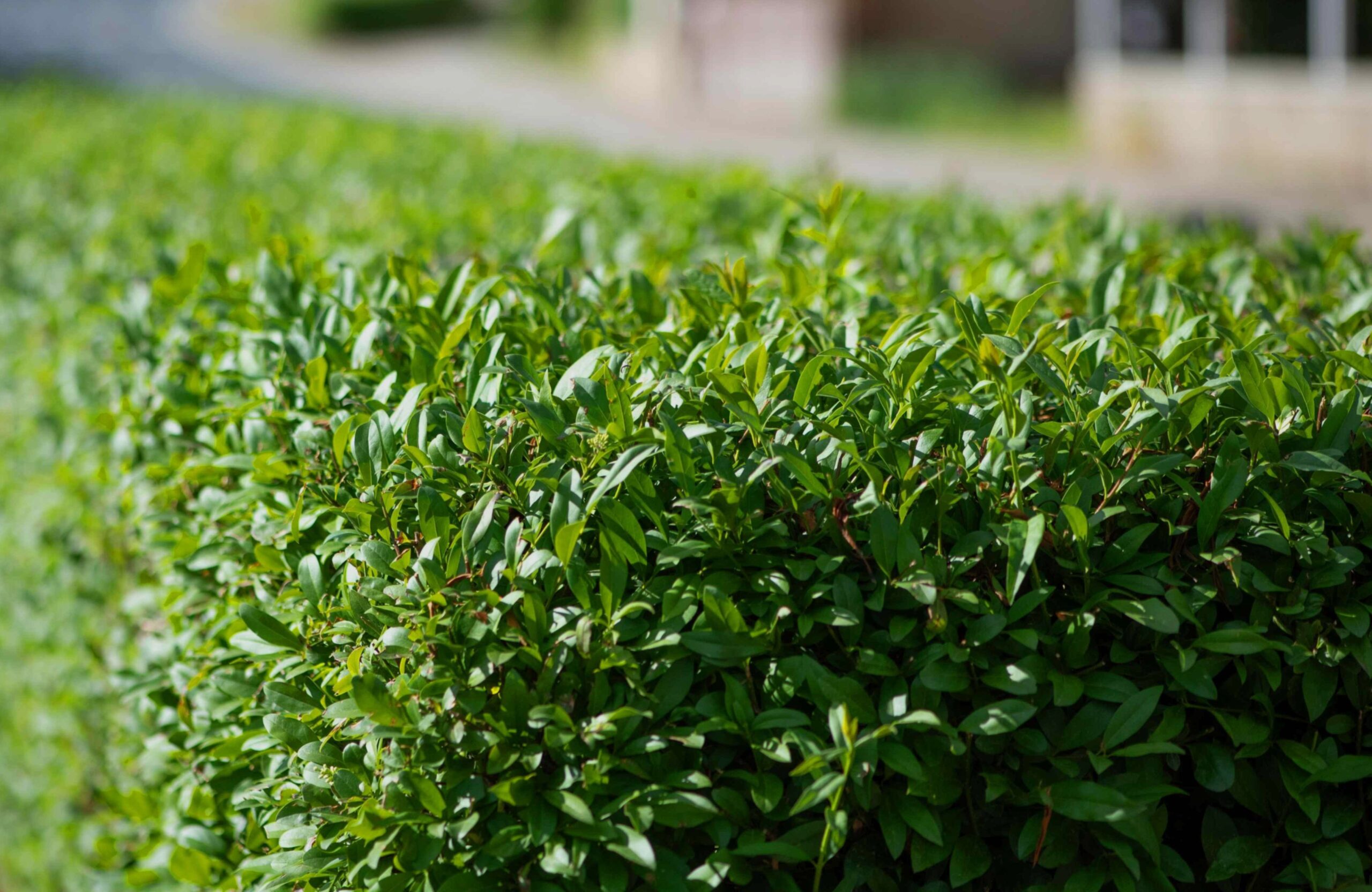
Privet has long been the workhorse of suburban landscaping. Known for its rapid growth, ease of maintenance, and ability to form dense privacy screens, it remains a popular choice for hedges and topiary. However, this very reliability is now its greatest liability.
As environmental awareness grows, the gardening community is grappling with a difficult question: Is the convenience of privet worth the ecological cost? For many experts, the answer is a resounding no, particularly regarding native varieties like Chinese privet (Ligustrum sinense ), which are classified as highly invasive.
The Ecological Cost of Convenience
The primary concern with privet is not just that it grows well, but that it grows too well. In natural ecosystems, invasive privet spreads aggressively through bird-dispersed seeds. Birds consume the fruit and deposit the seeds in new locations, where the plants form dense thickets. These thickets block sunlight from reaching the forest floor, effectively stifling native undergrowth and reducing biodiversity.
“I would not recommend planting privet ornamentally,” says Jim Downs, a forestry specialist at The Ohio State University Extension. He points to two critical issues: the invasive nature of commonly planted varieties and the availability of superior, native alternatives.
Native Alternatives: Better for Birds and Bees
Experts argue that replacing privet with native shrubs offers significant ecological benefits. Native plants provide essential food and habitat for local wildlife, supporting ecosystems in ways non-native species cannot.
Downs suggests several robust alternatives that offer similar aesthetic benefits without the environmental risks:
* Spicebush: Supports native species like the spicebush swallowtail butterfly.
* Witch-hazel: Offers unique winter interest and attracts pollinators.
* Chokeberry (Red or Black): Provides vibrant foliage and berries for birds.
* Serviceberry: A versatile shrub or small tree with edible fruit.
If You Must Plant Privet: Choose Wisely
While the general advice is to avoid privet, some landscape specialists note that newer cultivars have been bred specifically to mitigate invasive risks. Linda Langelo, a garden and landscape specialist at Colorado State University Extension, acknowledges that while traditional varieties like Japanese privet (Ligustrum japonicum ) can still be slightly invasive, specific sterile hybrids are safer options.
If you decide to plant privet, consider these low-risk varieties:
1. Straight Talk (Ligustrum vulgare ‘Swift’): A newer cultivar designed for controlled growth and minimal seed production.
2. Golden Ticket (Ligustrum x vicaryi ‘NCLX1’): One of the first non-invasive privets, featuring no viable seed production.
Key Insight: The lack of viable seeds is crucial. Without seeds, the plant cannot spread via birds, preventing the formation of invasive thickets in natural areas.
Managing Existing Privet
For those who already have privet in their landscape, management strategies depend on the variety and the goal.
Preserving Non-Invasive Varieties
If you have a sterile or non-invasive cultivar, it can still play a positive role in the garden. Its clusters of white flowers are fragrant and attract valuable pollinators. However, pruning requires care:
* Timing is critical: Trim branches after flowering but before seeds become viable. In regions like Ohio, this typically means late spring to early summer.
* Avoid over-pruning: Cutting privet encourages vigorous new growth. Regular, timely pruning is necessary to maintain shape and prevent seed formation.
Removing Unwanted or Invasive Privet
Eliminating established privet requires a strategic approach, ideally performed in late winter or early spring when the plant is dormant.
- For Small Plants: Dig up the entire plant, ensuring you remove the root system. Using a shovel or pickaxe in moist soil makes extraction easier. This method is particularly effective if you plan to replant the area immediately with a native species.
- For Mature Plants: Cut the plant down to ground level, leaving only stumps. Apply an appropriately labeled herbicide (such as triclopyr or glyphosate) to the fresh stump to kill the root system.
- Ongoing Monitoring: Even after removal, privet can regrow from roots or remaining seeds. Regularly inspect the area and promptly remove any new shoots or seedlings to ensure complete eradication.
Conclusion
The shift away from privet reflects a broader trend in gardening: prioritizing ecological health alongside aesthetic appeal. While privet offers ease of use, its potential to disrupt local ecosystems makes it a problematic choice for many landscapes. By opting for native alternatives or carefully selected sterile hybrids, gardeners can maintain beautiful, functional spaces without contributing to invasive species spread.