


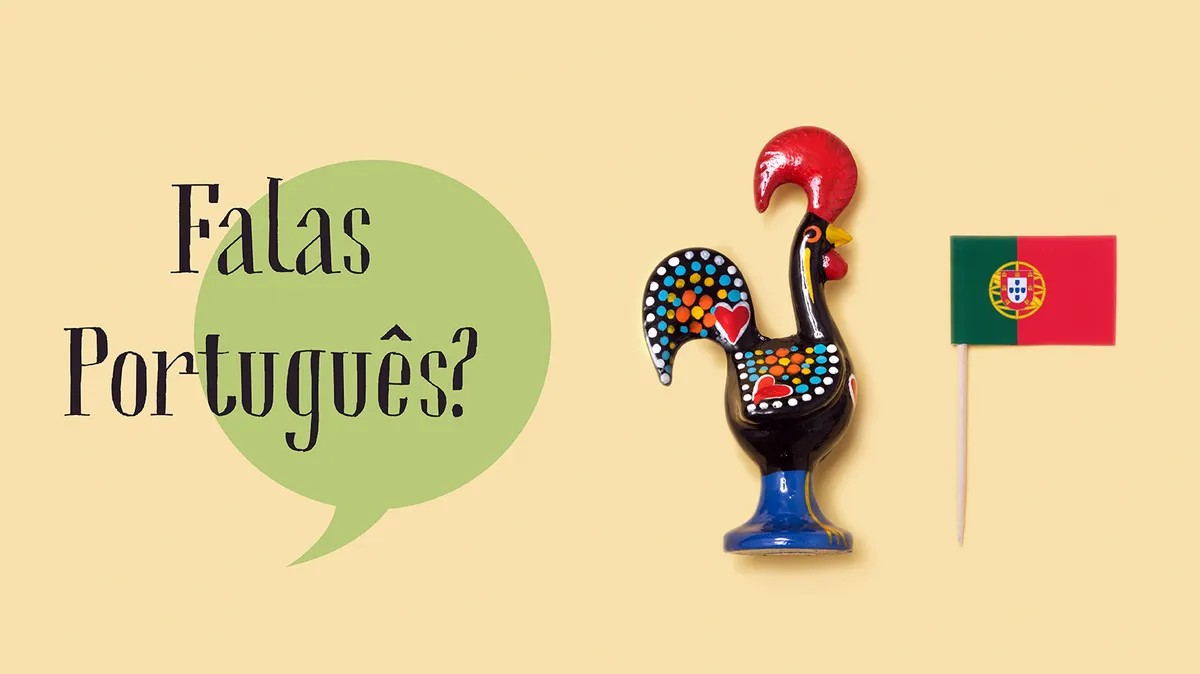
Portuguese is more than just a language; it’s a cultural and economic bridge connecting over 258 million people worldwide. From its roots in Europe to thriving communities across South America, Africa, and Asia, Portuguese has become one of the most geographically dispersed languages on Earth. This expansion isn’t accidental—it’s a direct result of centuries of exploration, trade, and colonial history.
The European Heart: Portugal
Portugal remains the core of the Portuguese-speaking world. As the only European nation where Portuguese is the primary official language, it is the source from which the language has spread. Dialects within Portugal itself demonstrate this linguistic diversity : Northern regions preserve older pronunciations, while major cities showcase modern adaptations. The language’s evolution from Vulgar Latin, alongside Spanish and French, underscores its deep historical ties to the Iberian Peninsula.
The South American Giant: Brazil
Brazil is arguably the most significant center of Portuguese today. With the largest population of native speakers—over 214 million—Brazilian Portuguese dominates the language landscape. The sheer scale of Brazil means that its dialects, varying across regions in rhythm, pronunciation, and vocabulary, are also the most influential. This makes Brazilian Portuguese the most widely spoken variety globally, often shaping how the language is perceived internationally.
Lusophone Africa: Six Nations, Shared History
Six African nations—Angola, Mozambique, Guinea-Bissau, Cape Verde, São Tomé and Príncipe, and Equatorial Guinea—all recognize Portuguese as an official language. These “Lusophone” countries represent a vital but often overlooked aspect of the language’s global presence. Portuguese in Africa doesn’t exist in isolation: it coexists with local languages, forming unique hybrid forms and creoles that reflect colonial legacies and Indigenous cultures.
Asia’s Portuguese Enclaves: Macau and East Timor
Portugal’s historical influence extends to Asia through Macau (a special administrative region of China) and East Timor (Timor-Leste). While Mandarin Chinese dominates Macau, Portuguese remains an official language, a legacy of nearly 400 years of Portuguese administration. East Timor, which gained independence in 2002, officially recognizes both Tetum and Portuguese.
Beyond Borders: A Language of Trade and Culture
The spread of Portuguese wasn’t just about conquest; it was also about trade, religion, and cultural exchange. The language continues to serve as a vital tool in international relations, education, and business across these diverse regions. This interconnectedness fosters collaboration and strengthens ties between communities spanning continents.
In conclusion, Portuguese stands out as a testament to the enduring power of language. Its journey from a small corner of Europe to a global force demonstrates how history, migration, and cultural exchange shape the world’s linguistic landscape. The 10 countries and regions where Portuguese thrives prove that language isn’t just about words; it’s about connection, identity, and shared heritage.


