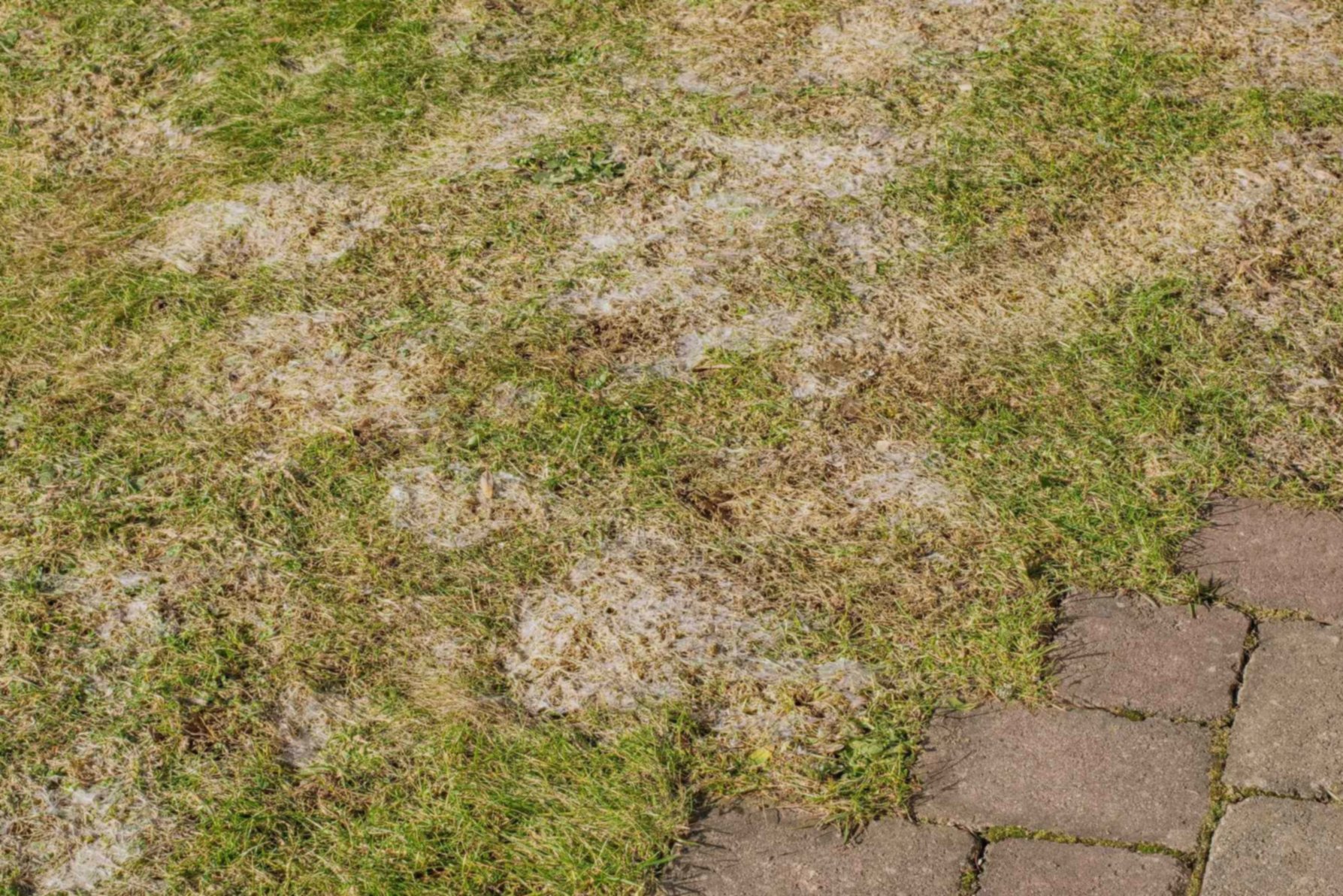
Snowfall often creates picturesque winter scenes, and moderate amounts can even insulate lawns against harsh temperatures. However, excessive snow cover can lead to dead patches and damage that become visible in spring. While most turfgrasses are resilient, certain conditions increase the risk of winterkill.
Why Does Snow Damage Lawns?
Extended, heavy snow creates conditions that harm grass. Prolonged wetness encourages fungal diseases, particularly on lawns with thick thatch. The weight of snow, combined with shoveling or foot traffic, compacts soil and suffocates grass blades. Salt from de-icing products desiccates roots, while freeze-thaw cycles cause frost heaving, pushing plant crowns above ground and exposing them to damage.
Protecting Your Lawn From Snow Damage
Proactive measures can minimize winterkill. Distribute shoveled snow evenly instead of piling it in traffic areas. Lower density allows better airflow, preventing matting and ice formation. Avoid using de-icing products with high salt concentrations; consider salt-free alternatives like sand, cat litter, or magnesium/calcium chlorides. Finally, install barriers (snow fencing) in low-lying areas to prevent drifts from suffocating grass and accumulating damaging road debris.
Recognizing Winter Damage: 5 Key Signs
Identifying damage early allows for timely repair. Look for:
- Pink Snow Mold: Circular patches of slimy, reddish-brown grass with pink edges. This requires extensive treatment.
- Gray Snow Mold: Straw-colored or gray patches of matted dead grass, often expanding up to three feet in diameter.
- Salt Damage: Brown or dead spots in high-traffic areas where de-icing products were used.
- Frost Heaving: Bumpy, uneven lawn surfaces caused by roots pushed above ground.
- Suffocation: Slimy, brown, or black patches where snow was piled or compacted by foot traffic.
Conclusion
While snowfall is a natural part of winter, it can take a toll on lawns if not managed correctly. By understanding the risks – from fungal diseases to frost heaving – and implementing preventative measures, homeowners can minimize winterkill and ensure a healthy lawn in spring.