Design professionals are increasingly turning away from rigidly matching interiors, predicting their decline by 2026. The trend toward sterile, perfectly coordinated spaces is giving way to a preference for more character-driven, eclectic designs. This shift reflects a broader move away from minimalist aesthetics and toward homes that feel lived-in rather than staged.
Why Perfect Matching Is Outdated
Interior designers such as Sara Swabb and Tracy Morris agree that spaces where everything coordinates too perfectly – identical woods, metals, or color palettes – feel cold and uninviting.
“Spaces that are overly coordinated or stripped of personality are starting to feel cold and uninspired,” says Morris. “They feel more like showrooms than homes.”
The issue isn’t just aesthetics; it’s the feeling these spaces evoke. A hyper-coordinated room can make guests (and the residents themselves) feel uncomfortable, as if they’re in a showroom rather than a welcoming home. This trend likely peaked during the height of modern minimalism, where the emphasis on sleekness sometimes came at the cost of warmth.
How to Add Personality to Your Space
The good news is, turning a sterile space into a charming one doesn’t require a full overhaul. Designers suggest several straightforward fixes:
- Incorporate Art: Adding unexpected artwork injects personality and breaks up monotony.
- Embrace Imperfection: Handmade or vintage furniture pieces add unique character that mass-produced items can’t replicate.
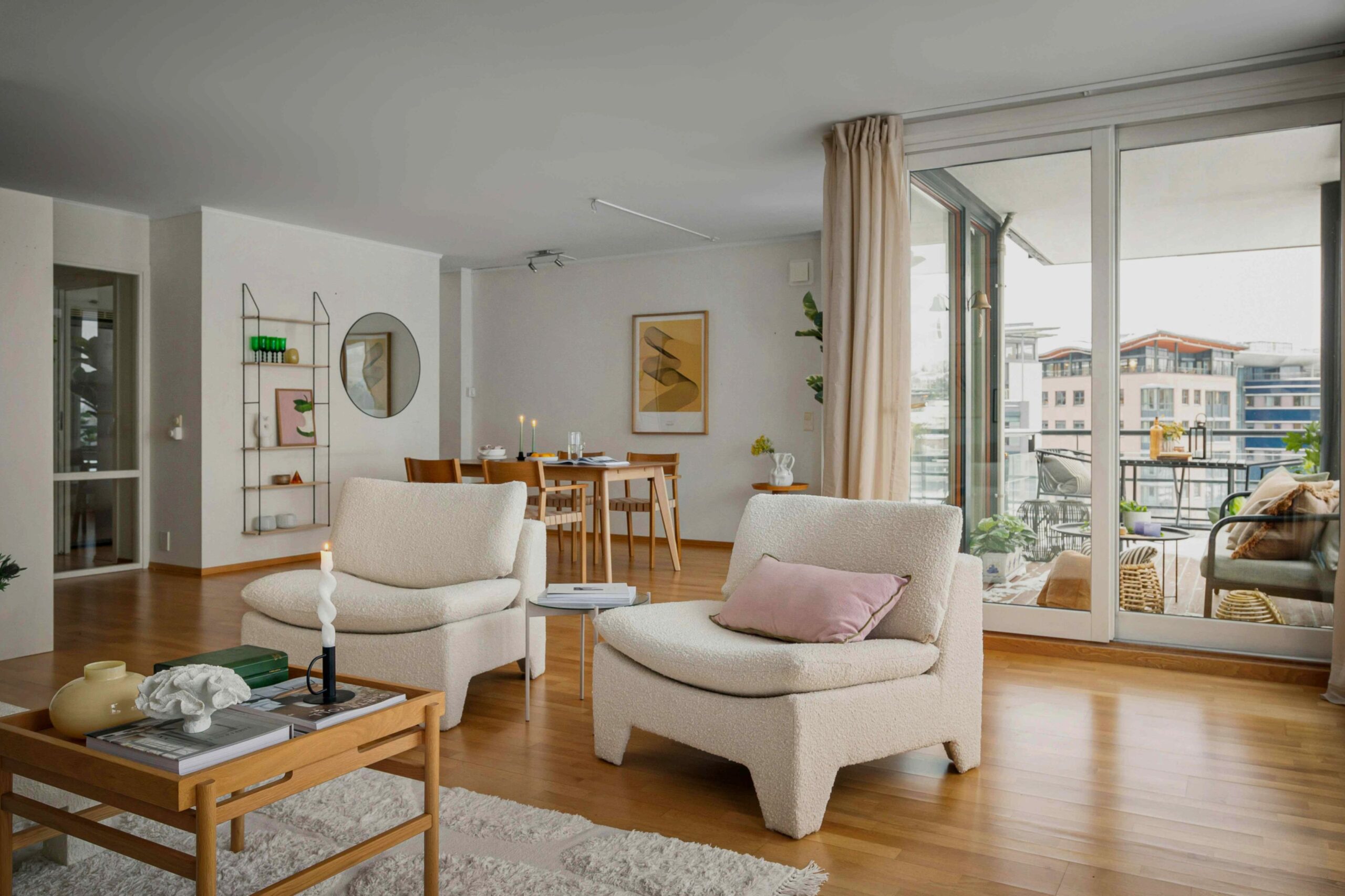
- Mix and Match: Ditch matching furniture sets; a mix of textures, finishes, and styles tells a story and creates visual interest.
- Shop Your Own Home: Pair unexpected items – a grandmother’s candlesticks with a modern table – for a curated look.
The key is storytelling. Designers encourage treating a home as a canvas for personal expression rather than a showcase for pristine coordination.
Other Trends Losing Momentum
Beyond the pushback against matching interiors, two other design elements are facing scrutiny:
- Exaggerated Curves: While organic forms remain popular, the overabundance of overly curved furniture and scalloped details is losing steam. Designers are shifting toward structured pieces with more subtle curves for lasting appeal.
- Gray Tones: The dominance of cool, flat grays is waning. Designers argue these shades can make a space lifeless, favoring warmer, more dynamic color palettes instead.
The decline of these trends suggests a broader reevaluation of what makes a home feel inviting and authentic.
The design world is moving away from perfection and toward authenticity, meaning that homes will soon prioritize personality and warmth over rigid coordination. This trend reflects a cultural shift where individuality and lived-in comfort are valued more than sterile aesthetics.