Don’t toss those cardboard toilet paper tubes – they’re a surprisingly versatile tool for spring gardening. These everyday items offer a sustainable and cost-effective way to start seeds, protect young plants, and even boost your compost.
Seed Starting Made Simple
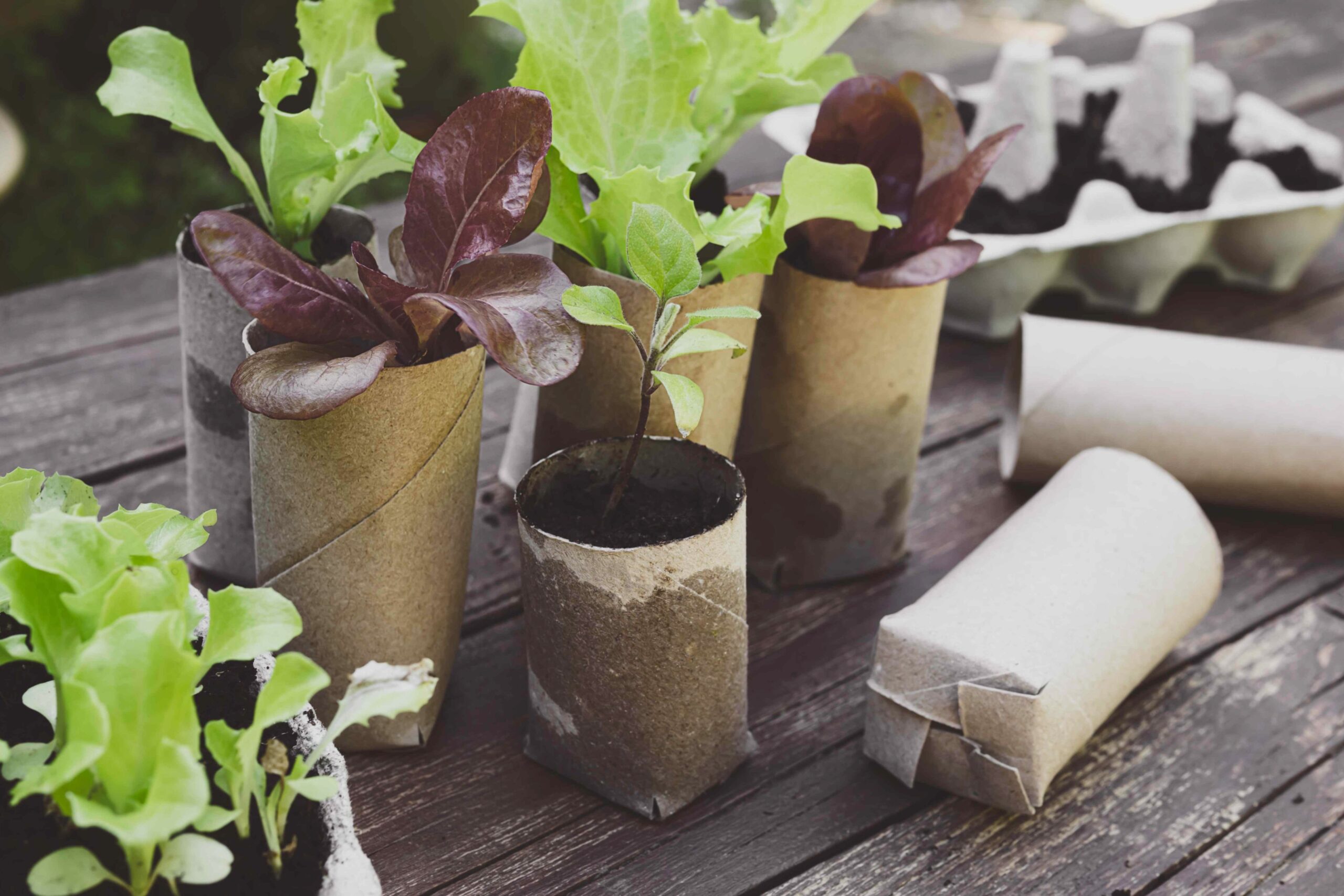
Toilet paper tubes make excellent biodegradable seed starters. Chrissie Handley, a gardening expert at Online Turf, explains that the cardboard provides stability for germinating seeds while naturally breaking down in the soil. To use them:
- Cut 1-inch slits at one end of the tube and fold them inward to create a base.
- Fill with soil, leaving about an inch of space at the top.
- Plant your seeds.
- Once seedlings are ready, plant the entire tube directly into the garden – no transplant shock!
Protecting Seedlings from Pests
Young seeds are vulnerable to snails, slugs, and other garden pests. Lisa Whittlesey, program specialist at the Texas A&M AgriLife Senior Extension Program, suggests using toilet paper tubes as protective collars:
Simply place a tube over newly planted seeds, burying at least half an inch into the soil to secure it. The tube acts as a physical barrier until plants are strong enough to withstand pests.
Accelerating Compost with Cardboard
Toilet paper tubes are a valuable “brown” material for compost piles. According to Handley, cardboard provides carbon that fuels the microorganisms responsible for decomposition.
- Adding toilet paper tubes speeds up the composting process and balances out “green” kitchen waste.
- For faster breakdown, tear the tubes into smaller pieces before adding them to your pile.
Mass Seed Planting for Efficiency
Need to plant a large quantity of seeds? Convert toilet paper tubes into a mass seed planter. Stand multiple tubes upright in a plant container, fill them with soil, and plant seeds as usual. The container provides support during germination.
Toilet paper tubes demonstrate that sustainable gardening doesn’t require expensive tools. These everyday materials offer simple, effective solutions for starting seeds, protecting plants, and improving your garden’s health.