


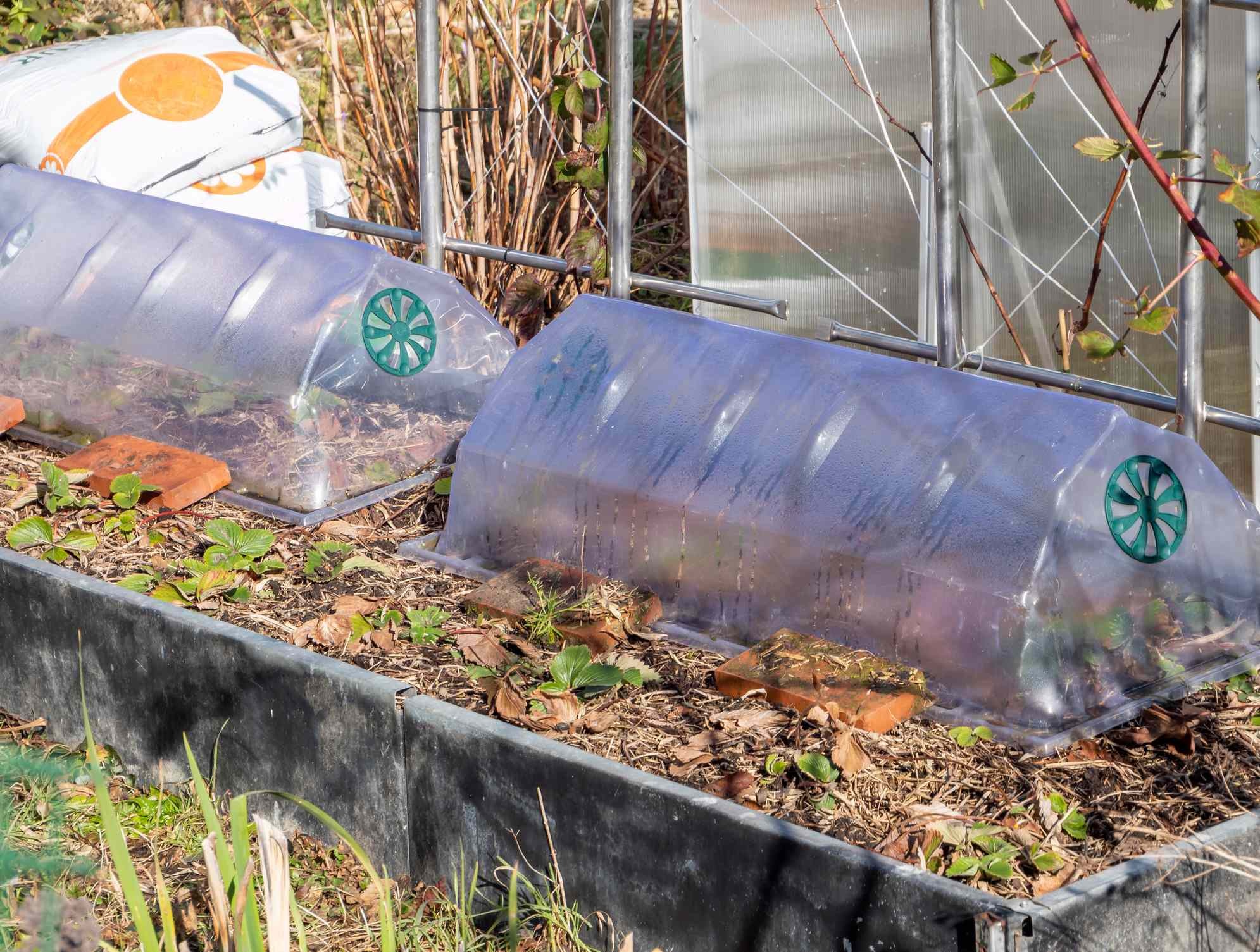
Even if the ground is still frozen, now is the crucial time to plan and prepare your vegetable garden. A little foresight can dramatically improve your yields this season. Waiting until spring means missing opportunities to optimize conditions and maximize your harvest.
Reviewing Last Year’s Performance: Lessons Learned
Before even thinking about seeds, take stock of last year’s garden. Understanding what worked and what didn’t is the foundation of a successful season. Consider these key factors:
- Frost Dates: Record when the last frost hit your area. Late freezes can wipe out tender crops, so knowing the timing helps you prepare with protective covers.
- Sun Exposure: Ensure plants received adequate sunlight. Adjust layouts to shield heat-sensitive crops and maximize light for those that thrive in full sun.
- Air Circulation: Poor airflow breeds disease and attracts pests. Improve spacing to allow better ventilation.
- Crop Rotation: Avoid planting the same families (like nightshades: tomatoes, peppers, potatoes) in the same spot year after year to prevent soil depletion and pest buildup.
- Pollinators & Beneficial Insects: Attract bees, butterflies, and ladybugs by incorporating herbs and flowers. These helpers are vital for fruit set and natural pest control.
Taking Stock: Tools, Supplies, and Seeds
A well-equipped gardener is a prepared gardener. Before the rush of spring, check your supplies:
- Seeds: Inventory saved seeds from last year. Viability declines over time, so discard any that look shriveled or flat.
- Soil & Amendments: Replenish potting mix, compost, fertilizers, and row covers.
- Tools: Sharpen, clean, and repair gardening tools. Maintain power equipment.
- Structures: Inspect raised beds, trellises, and fencing for damage.
Seed Selection: Planning for Success
Choose seeds strategically. Browse catalogs, but prioritize varieties suited to your climate. Experiment with one or two new crops, but respect space limitations. Avoid impulse buys; focus on what will actually thrive. Local libraries and seed swaps often offer free or low-cost options.
Designing Your Garden Layout: Maximize Space
Overcrowding is a common mistake. Draw a scaled planting plan, accounting for crop rotation and mature plant size.
- Spacing: Follow seed packet guidelines for proper distances between plants.
- Vertical Gardening: Use trellises and stakes to support vining crops like tomatoes, cucumbers, and beans, saving ground space.
- Interplanting: Pair compatible plants to optimize space and benefit from companion planting (e.g., basil near tomatoes).
Starting Seeds Indoors: Get a Head Start
Growing your own seedlings is cheaper and often yields healthier plants than store-bought ones.
- Timing: Check seed packets for ‘days to harvest’ and start seeds 2-10 weeks before the final frost, depending on the crop.
- Environment: Use grow lights, heat mats, and seed-starting mix for optimal germination. Even a sunny windowsill can work in a pinch.
Conclusion:
Proper planning now ensures a more productive, efficient, and enjoyable gardening experience. By reviewing past mistakes, preparing supplies, and designing a thoughtful layout, you’ll set yourself up for a bountiful harvest. Don’t wait for spring; start now and reap the rewards later.


