


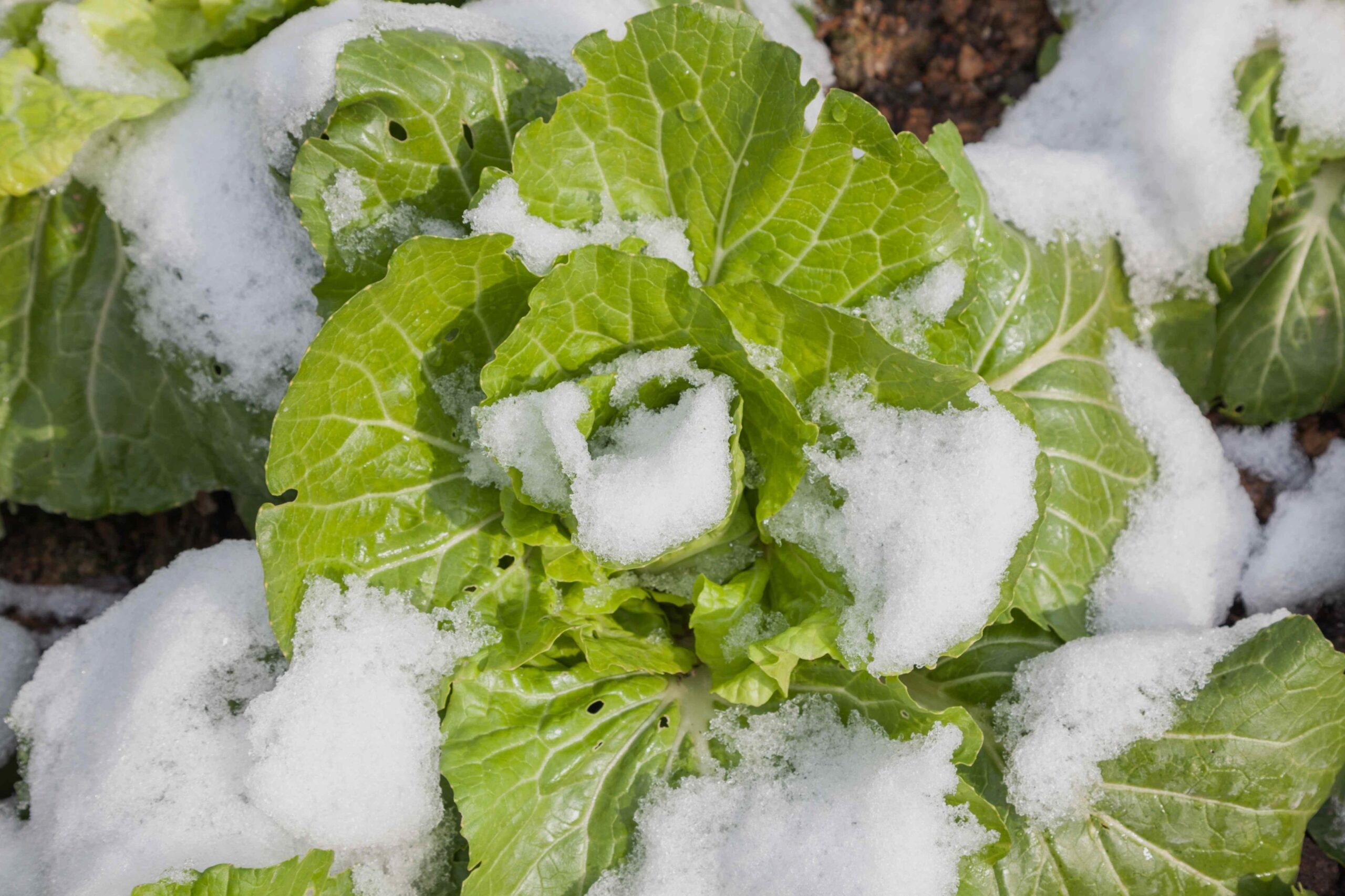
Many gardeners assume seed-starting is a spring-only activity, but a surprising number of vegetables can be sown – or at least started indoors – even in the depths of winter. This allows for an earlier harvest and extends the growing season, especially in regions with milder climates. Here’s a breakdown of what you can plant now, in late January and February, for a jumpstart on spring produce.
Cold-Hardy Greens: Lettuce, Spinach & Kale
These leafy greens are among the most reliable winter crops.
- Lettuce: Thrives in cool conditions and can be directly sown outdoors as early as November in some regions. For colder areas, indoor sowing is ideal.
- Spinach: Tolerates freezing temperatures once planted and actually benefits from colder conditions, which sweeten the flavor. Avoid warm soil, as it can result in bitter leaves.
- Kale: Varieties like Siberian, Red Russian, and Winterbor are exceptionally hardy. In colder climates, start indoors or under protective covers.
Root & Bulb Crops: Onions & Potatoes
These can be started early for a longer growing season.
- Onions: If you missed fall planting, start indoors now. Warmer climates can handle direct sowing in winter, but check your USDA zone first.
- Potatoes: In colder areas, begin indoors to control conditions. Warmer regions can plant outdoors as early as February, as temperatures rarely dip below freezing.
Early Spring Vegetables: Peas & Broccoli
These benefit from a head start, especially if you want an early harvest.
- Peas: Prefer cooler weather and can be sown in January, especially in mild climates. For frost-prone areas, start indoors in containers.
- Broccoli: While ground sowing might be too cold in January, indoor starting is effective. Southern U.S. regions can often direct sow during winter.
Warm-Weather Crops: Tomatoes & Bell Peppers
These need a longer lead time, so starting them indoors now is essential for an early spring harvest.
- Tomatoes: Indoor sowing allows for strong root development before transplanting when temperatures rise.
- Bell Peppers: Similar to tomatoes, starting them indoors 8-10 weeks before the last frost ensures they’re ready to thrive when the weather warms.
Why This Matters: Extending the growing season through winter sowing isn’t just about early harvests; it’s about maximizing garden productivity and taking advantage of naturally cooler conditions that certain crops prefer. Starting seeds indoors also allows for greater control over germination, ensuring stronger seedlings ready for transplanting when the time is right.
By planning ahead and utilizing winter sowing techniques, gardeners can enjoy fresh produce earlier in the year and beat the seasonal rush.


