


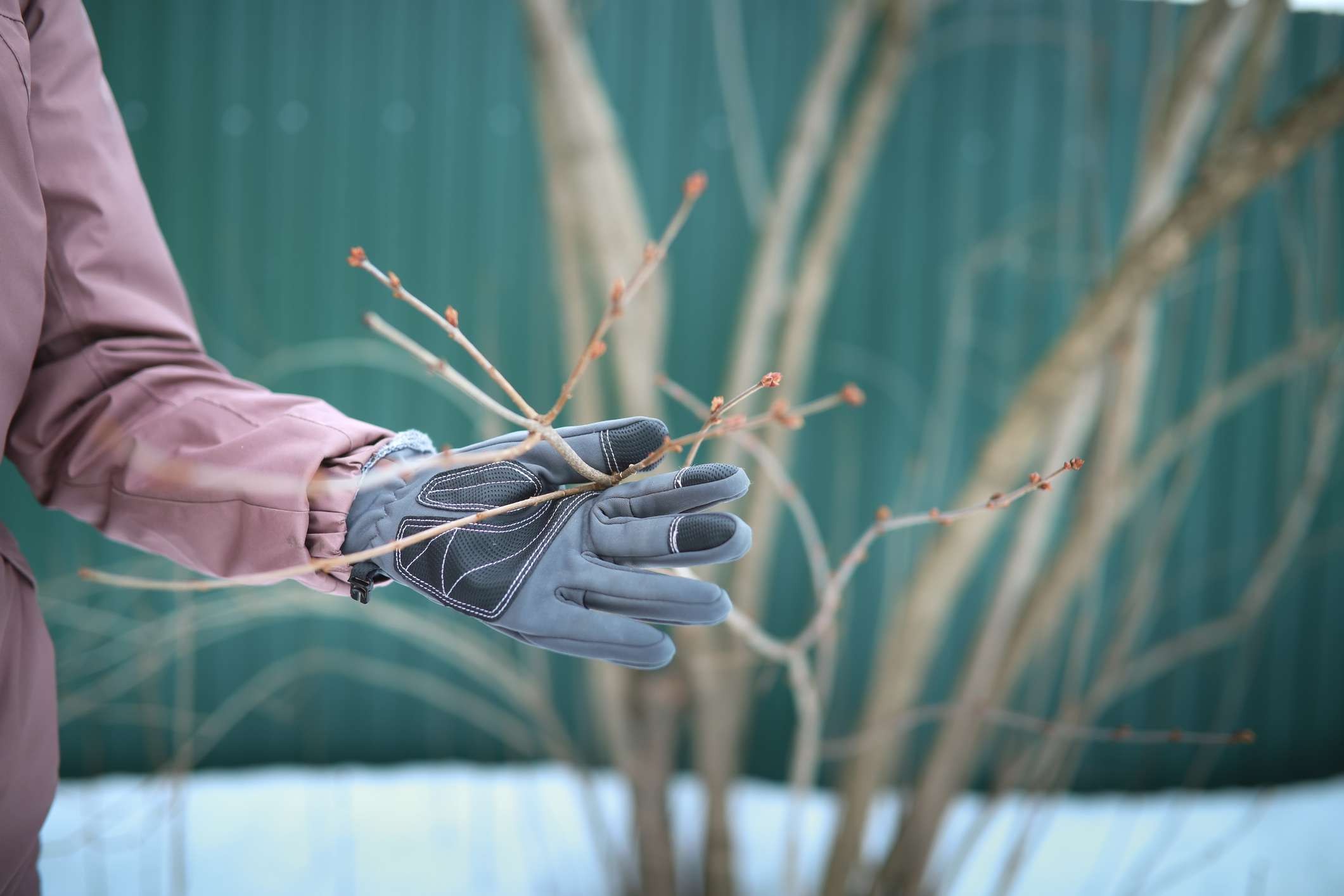
Gardeners often prune plants in winter to stimulate spring growth, but cutting back certain species during cold months can actually hinder their development. While some shrubs and trees benefit from winter pruning, others are best left alone to avoid damaging flower buds or fruit production.
Why Winter Pruning Can Backfire
Pruning stimulates growth, but timing is crucial. Cutting back flowering plants in winter removes the buds that would bloom in spring. For fruit-bearing trees and shrubs, winter pruning can reduce the upcoming harvest. Instead of vigorous growth, you risk weakened plants with fewer blooms or fruits.
Plants to Leave Untouched
Fifteen plant varieties should generally be spared from winter pruning:
- Spring-blooming shrubs (lilacs, forsythia, azaleas)
- Fruit trees (apples, pears, cherries)
- Hydrangeas (especially macrophylla varieties)
- Dogwood trees
- Smokebush
- Sumac
- Oaks
- Elms
- Hawthorns
- Roses (avoid heavy pruning until spring)
- Butterfly bush (can be pruned lightly, but avoid deep cuts)
- Clematis (timing depends on the variety)
- Wisteria (prune in late winter or early spring)
- Viburnum (some varieties bloom on old wood)
- Lavender (light shaping only)
Winter Garden Tasks Beyond Pruning
Winter is a strategic time for garden maintenance, but pruning isn’t the only task. Instead of cutting back sensitive plants, focus on:
- Inventorying seeds for spring planting
- Sharpening tools
- Organizing equipment
- Adding fresh mulch to protect roots
- Planning next season’s garden layout
The Bigger Picture
The debate over winter pruning isn’t just about timing; it’s about understanding how different plants respond. Pruning stimulates growth, but not all plants require or benefit from it. Some species bloom on “old wood” (last year’s growth), so winter cuts remove potential flowers. Others prefer minimal intervention, thriving best when left undisturbed.
Delaying pruning until late winter or early spring allows you to assess the plant’s health and avoid cutting away dormant buds.


