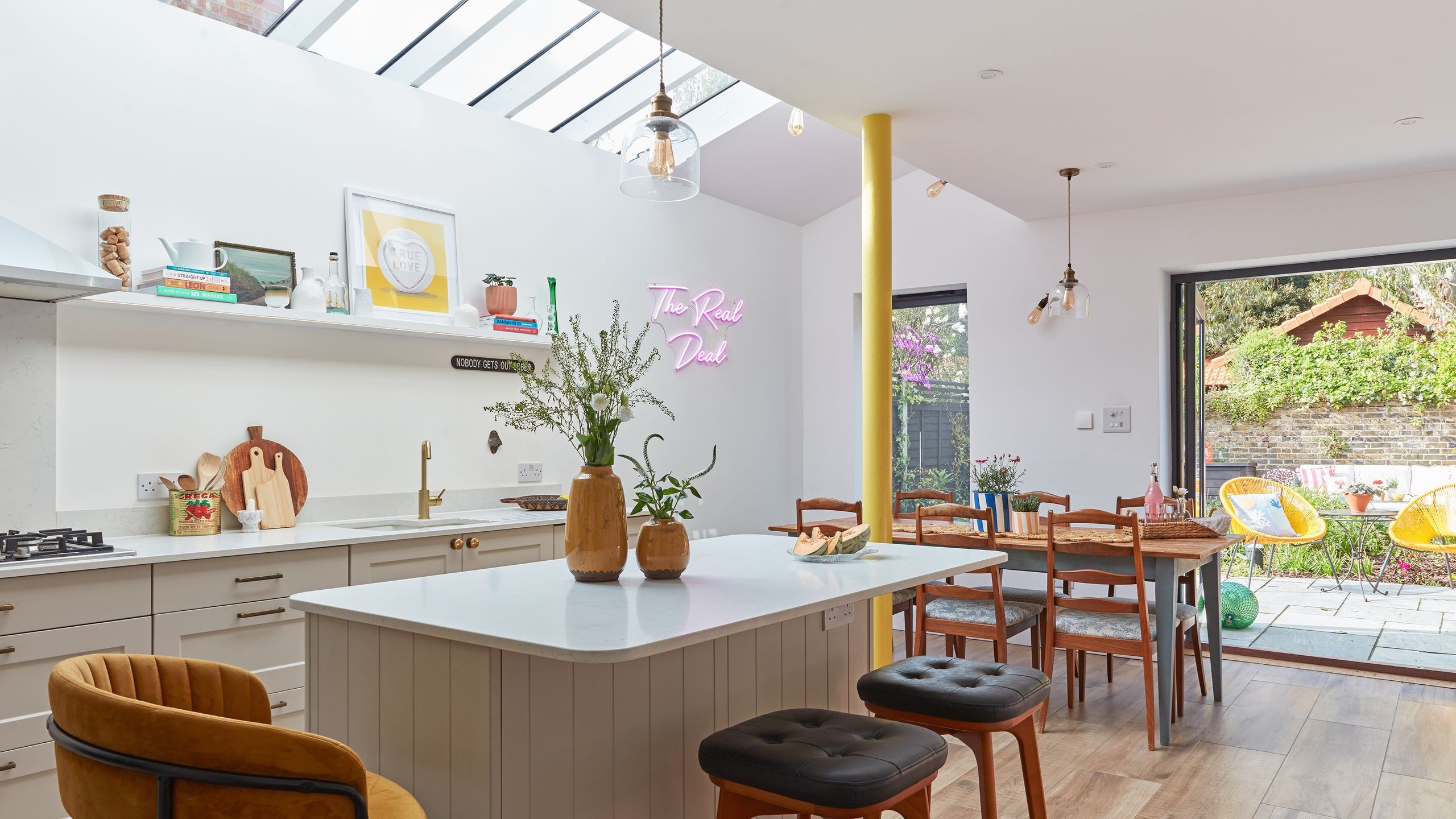
For many modern homeowners, the kitchen is no longer just a functional space; it’s the heart of the home – a place for cooking, socializing, working, and relaxing. As a result, demand for bigger, better kitchens is higher than ever. But if you’re planning an upgrade, should you extend your existing space or remodel what you already have? The answer isn’t always obvious.
The Rising Importance of the Kitchen
Over the past few decades, the kitchen has transformed from a purely practical room into a central hub for daily life. This shift drives many homeowners to seek bigger, more versatile kitchens. Whether it’s a full renovation or an extension, the goal is often to create a space that aligns with how people actually live – not just cook.
Extension vs. Remodel: What’s the Difference?
There are two main paths to a bigger kitchen: an extension, which adds entirely new square footage, or a remodel, which reconfigures the existing layout. Both have advantages and drawbacks. The best choice depends on your lifestyle, budget, and long-term plans.
According to Paul Dore, MD of County Stone Ltd., “Ultimately, the best solution depends on your lifestyle, budget and long-term plans. But you’d be surprised how much space you can unlock with the right layout and well-chosen finishes.”
The Case for Remodeling
Remodeling involves working within your existing footprint to maximize space and functionality. This can include opening up walls, relocating appliances, or optimizing storage solutions. Emily Newmarch, a design consultant at Kitchens by Holloways, notes that often, simply reconfiguring the layout can achieve the desired open-plan feel without the expense and hassle of an extension.
“The assumption is often that you need to extend to get a bigger kitchen, but that isn’t always the case. The best starting point is to look at how your existing ground floor is arranged.”
Remodeling is generally faster, cheaper, and requires less bureaucracy than an extension. Thoughtful design can transform a kitchen without major construction work.
Pros of Kitchen Remodels:
- Lower cost than extensions
- Faster completion time
- No planning permission required (unless listed property)
The Case for Extensions
Kitchen extensions are ideal if you genuinely need more physical space – for example, to create an open-plan kitchen-diner or accommodate a growing family. Extensions allow for significant layout changes, improved natural light, and better access to the garden.
However, extensions are disruptive, expensive, and often require planning permission. Paul Dore advises exploring remodeling first: “A smart redesign combined with quality materials can completely transform a kitchen without the stress of major building works.”
Pros of Kitchen Extensions:
- Significantly increases house square footage
- Adds property value
- Allows for architectural features (full-height glazing)
- Work can be kept separate while carried out
Cost and Value: Which is More Effective?
Remodeling is generally more cost-effective upfront. A new kitchen remodel can range from several thousand pounds upwards, depending on finishes. Extensions typically start in the tens of thousands.
In terms of property value, extensions can add more due to increased square footage. However, a well-designed remodel with high-end finishes can also deliver a strong return on investment (between 5% and 15% according to Which?). Emily Newmarch suggests: “If a remodel achieves the space you need, then it’s usually the smarter financial decision.”
Making the Right Choice
To determine whether an extension or remodel is best, first define your goals. Are you aiming for a kitchen-dining space, a full kitchen-living-dining room, or additional utility areas? Designing from the inside out ensures the final space aligns with your needs.
Sometimes, a combination of both – a modest extension paired with internal reconfiguration – is the optimal solution.
Conclusion
Ultimately, the best way to a bigger kitchen depends on your specific circumstances. Remodeling is a faster, cheaper option for improving functionality within existing boundaries. Extensions provide significant physical space but come with added cost and complexity. By carefully evaluating your needs, budget, and long-term plans, you can make an informed decision that transforms your kitchen into the heart of your home.