When spring comes, you want to update your interior. A fresh coat of paint adds instant shine. However, some errors appear slowly. You think you’re doing the right thing. After a year, the ceiling near the shower stall looks like a failed topography. This is a hidden trap of DIY decoration. Pride comes easily. Material science is ruthless. The longevity of your project depends not only on what you put on the wall, but also on what you put on the wall.
The Dream Turns to Peeling Paint
A well-loaded roller feels good。 表面变得光滑。 颜色看起来均匀。 最初几周,看起来很完美。 你感觉很有成就感。 购买打折的标准油漆罐似乎是明智之举。 它一脸无辜。 它适用于干燥的房间。 但它无法应对浴室的日常滥用。 它提供了一个假的外观。 热水淋浴的循环开始从内到外削弱结构。
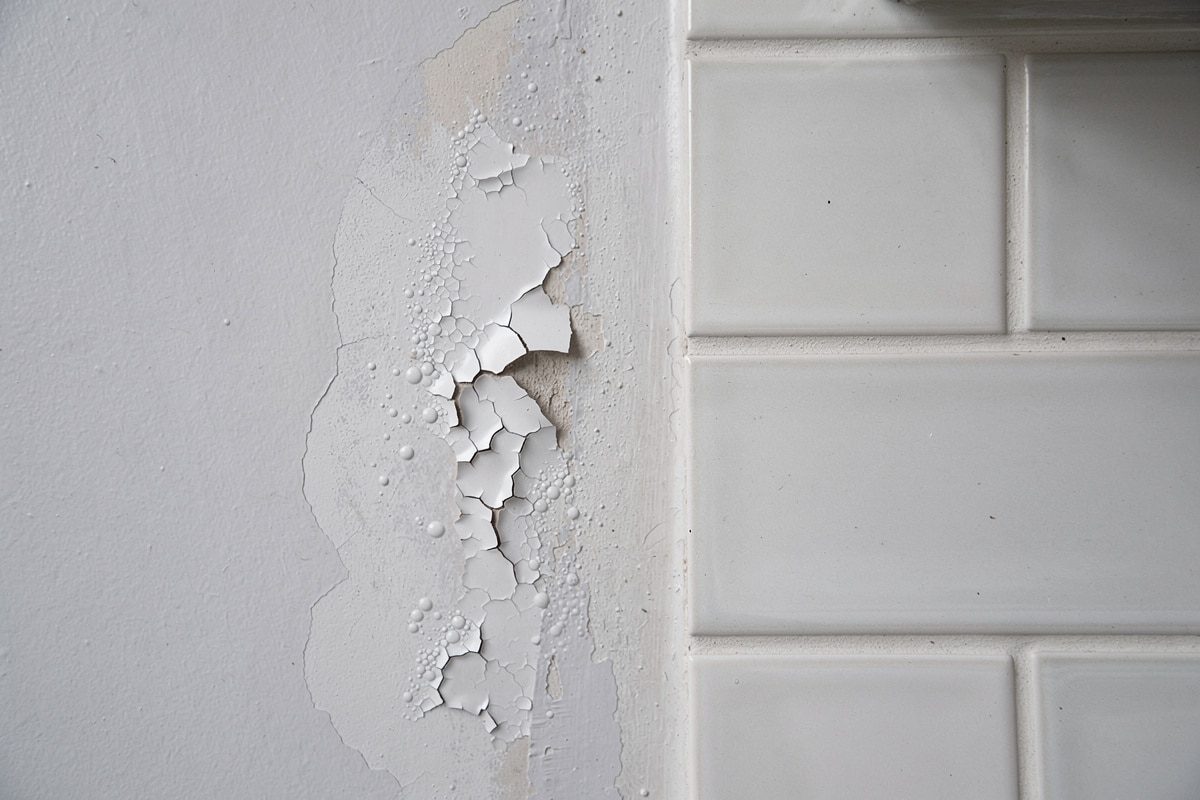
灾难发生在 6 至 18 个月之间。出现水泡。 他们很丑。 They bossel the surface。 原因是积聚了湿气。 它首先击中最难的地方。 看看天花板。 看看面向淋浴间的墙壁。 那里的湿度经常超过80%。 标准市场涂料无法承受这种情况。 你必须重新开始。
油漆失效的科学
It is not a bad brushing technique。 这是一种化学反应。 热水淋浴会产生大量蒸汽。 蒸气潜入保护膜下方。 它悄无声息地渗透。 装饰层从内部膨胀。 它破坏了与墙壁的结合。 油漆剥落成大而易碎的薄片。
只有一种可靠的防御。 停止使用标准罐。 您需要glycerophthalic paint或专为高湿度区域设计的丙烯酸配方。 选择一定要科学。 检查 NF EN 13300 标准。 它需要 1 级防潮等级。 该官方标志保证存在正确的树脂。 它们排斥蒸汽。 它们可以保护墙壁免于枯萎。 它们阻止水渗透到颜料后面。
The Protocol for Waterproof Integrity
Durability relies on hidden foundations. Before adding color, you need a primer. Use a moisture-resistant adhesive primer. This is very important when using ordinary plaster. When used as a primer, it penetrates the substrate. Prevents micro-droplets from reaching the surface layer. It acts as armor. Permanently fixes the final look. It eliminates weak points in drywall.
Chemical reactions require mechanical support. Reducing humidity in the bathroom requires an efficient mechanical ventilation control system (VMC). The regulations generally recommend a removal rate of about 30 cubic meters per hour. The continuous removal of saturated air lowers the humidity below 65 percent of the critical threshold value. Above this level, the wall loses its ability to fight back.
The golden rule is two coats. Spread in a grid pattern. But there’s no need to rush. Precipitation is the enemy of resistance. A full 24 hour drying time is required between each application. There are no exceptions. This waiting time allows a solid film to form. Can penetrate future evaporation and prevent penetration at the same time.
“Standard paints cannot be used in bathrooms because they lack resin components that repel steam in high humidity.”
As a result, the walls remain smooth. It remains painted. It is also resistant to steam.
Stop moisture at the source to protect your bathroom renovation
You can paint the walls as white as snow, but if there is still moisture in the plaster, the job is half-failed. The real secret to perfect and years-lasting walls is not the paint itself. It controls the water vapor before it even hits the surface.
Every time you take a shower, every time you wash your face, you are pumping steam into the room. This steam is the enemy. If you let it rest, it will seek the path of least resistance. It penetrates the micropores of fresh paint, caulk and even the underlying plasterboard. Once inside, it expands. When it cools, it condenses. The cycle repeats itself. And with each cycle, the bond between your paint and the wall weakens.
You need to break this cycle. The most effective way is to remove moisture from its source. This means that you need to make sure that your exhaust fan is powerful enough, and most importantly, that it actually works. An old fan clogged with dust is worse than no fan at all. Set a timer so it stays on for at least 20 minutes after you leave the room. Or better yet, install a humidity sensor that automatically activates the fan when the humidity rises.
Think ventilation. Stagnant air is a breeding ground for mold and peeling paint. Cross ventilation helps, but in the bathroom, mechanical extraction is not negotiable. By pushing moist air, you keep the relative humidity low. The walls stay dry. The paint stays adhered. You stop the losing battle against condensation and begin to ensure a dry, stable environment.
Winning combination: Class 1 materials and strict drying
Choosing the right products is only half the battle. How you use them determines whether you get a three-month or three-year solution.
If you want long-lasting results, you need materials that are suitable for high humidity environments. Look for paints and coatings with a moisture resistance class of 1. These are not the usual interior wall colors you buy at the big box store. They are made with a higher percentage of acrylic or silicone resins that repel water while still allowing the wall to “breathe”. They form a barrier through which moisture cannot easily penetrate.
But there’s no point in buying the right stuff if you skip the steps. The biggest mistake homeowners make is rushing the drying process. You may be eager to get back to your normal routine, but the paint needs time to harden. Not just dry to the touch. Fully cure.
How to do it right:
- Use the right primer: When painting existing surfaces, especially if they have had mold or water damage in the past, use a stain-blocking, moisture-resistant primer. It seals the surface and gives the topcoat grip.
- Apply thin, even coats: Thick coats contain solvent and water. They dry unevenly. You think it’s done because the surface looks dry, but the layers below are still wet. This will later lead to the blistering. Apply two thin coats instead of one thick coat.
- Take drying time into account: Follow the manufacturer’s instructions exactly. If it says wait 4 hours between coats, wait 4 hours. Wait longer if the humidity is high. Rush this step