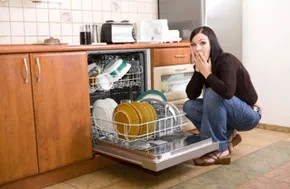
Dishwashers don’t just break down. it talks. Unlike a toaster that simply dies, a dishwasher has certain symptoms that point directly to a mechanical problem. Early recognition of these signs can save you hundreds of service calls. Some repairs are easy enough to do with existing tools. Stop guessing. Start diagnosing.
Why does the dishwasher leak water?
The most common complaint is a puddle of water that forms under or inside cabinets. It’s not a secret if you know where to look.
The rack is overloaded
If you place too many plates, the spray arm will not rotate freely. Water splashes out. Seals cannot withstand pressure. Try to use fewer dishes. Leave space between items. If the leak has stopped, the cause has been found.
Door seal
Check the rubber seal on the edge of the door. Look for cracks. Small holes are important. A bad seal can allow water to leak during the wash cycle. It’s cheap to replace. It is also very easy. Most gaskets snap or slide into place without the need for special tools.
Too much detergent
Check the dispenser tray. Is there any soap scum left? You’re using too much. Excess bubbles may overflow and leak from the bottom. Use less. Switch to a more effective formula if needed.
Loose pipe connections
Look behind the machine. The water supply pipe and the drain pipe are connected to it. Tighten any loose connectors. A gentle twist with pliers usually stops the dripping. Do not over tighten. No wrench needed.
Why are my dishes still dirty and dry?
Dishes that came out were dry. It is also sticky. This means that the machine has not been filled with soap and water correctly. The washing cycle is in progress. The chemistry isn’t.
Check the hot water valve
Dishwashers need hot water to activate the detergent. Check under the sink. Is the hot water valve fully open? When partially closed, the machine fills with cold water. The detergent does not dissolve. Clean food remains on plates. Open the valve fully.
Clogged inlet valve
The valve itself may be blocked. Debris from old pipes can block the screen. Please turn off the water supply. Disconnect the inlet hose. Clean the screen inside the valve. Connect again. The water is flowing again.
There is extra water in the bottom
It is normal for a few centimeters of water to accumulate after cycling. Must be emptied. If the water level is high, suspect the drain hose.
Find the drain hose in your owner’s manual. It flows from the pump to the waste disposal or sink drain. Check for holes. Check for kinks. Remove soap scum and food residues that block the flow of water. If the hose becomes blocked, water may collect instead of draining out.
Contact an expert
If you check the seal. Tightened the pipes. Cleared the valve. If the leakage or cleaning problem persists, stop. Call a professional. Internal pumps and control boards require special expertise. Any DIY beyond the basics can void the warranty or cause an electrical hazards.
In other respects, you have the tools. You have the steps. Fix it.