Taking apart a gas range isn’t a demolition project. It’s just a matter of knowing where the screws hide and which parts lift off. You don’t need a PhD in engineering to strip a stove down to its frame. You just need a screwdriver and a bit of patience. Let’s get to it.
Removing the Control Panel
Start with the top. The knobs are usually the first thing to go. Most are friction-fit. Just pull them straight up. If they don’t budge, check the base. Some older models have setscrews. You’ll need an Allen wrench or a small screwdriver to back those out. Don’t force it.
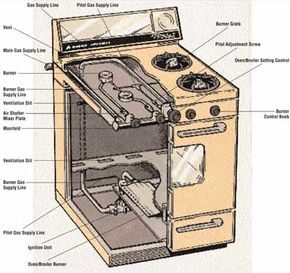
Once the knobs are off, look at the control panel itself. You need to remove the back service panel. Back out the screws around the edge. They’re often hidden under trim or molding. Pry those off gently with a flathead screwdriver. Now the front decorative panel is exposed. Remove the mounting screws holding it to the frame. The whole assembly should lift away.
Accessing the Burners and Oven Door
Now for the heavy lifting. Or rather, the lifting without weight. You need to get to the burner assemblies. Remove the grates first. Then the cooktop.
Most gas ranges have a top that either lifts completely off or hinges open. Check yours. If it’s hinged, open it up. If it’s a flat lift, be careful. It can be heavy. Set it aside on a protected surface.
The oven door is next. Pull it straight up off the hinges. If it doesn’t move, check for latches. Some hinges have a lock mechanism. You might need to flip a latch or press a tab before the door releases. Once it’s off, you have clear access to the interior.
Replacing the Lights
Why do the lights always burn out at the worst time? You can’t see what you’re doing without them. Fixing them is easier than you think.
For the surface light, remove any retaining screws or panels blocking the bulb. Pull out the old bulb. Check the end. It usually tells you the wattage and type. Buy a replacement with the exact same specs. Don’t guess. Same for the oven light, but here’s the catch: you need a bulb made for high heat. Regular kitchen bulbs will shatter in there. Unscrew the old one. Screw in the oven-safe replacement.
Reattach the panels. Put the door back on. Slide the knobs onto the shafts. Tighten the setscrews if they have them.
It’s done. The range is back together. Or at least, the parts you touched are. If you went deeper into the gas lines or the ignition system, you might want to stop here. Gas work isn’t always DIY-friendly. But for lights and panels? You just saved yourself a service call.