



Remember “walking the privy”? For most homeowners, that phrase belongs to history. We’ve moved on from shoveling manure behind the well or near the chicken coop to flushing it away in the comfort of our own homes. Since the 1970s, the American home has evolved. The U.S. Department of Housing and HUD reports that homes with two, three, or more bathrooms have jumped by over 30 percent. We want our own space. We want convenience.
But getting that upgrade right isn’t just about plonking down a toilet and calling it a day. Bathroom design is tricky. One wrong move in your planning strategy and you’re stepping in trouble. Let’s look at ten common pitfalls that can derail your renovation before you even pick up a drill.
1. Underestimating the Cost
Expect to go over budget. It’s not if, but when.
Some contractors suggest adding a 15 to 20 percent “fudge factor” for the unseen stuff. Others just cross their fingers and pray. That second approach is a fast track to misery. You might end up using the gas station restroom across the street while you argue with your contractor over invoices.
Why does the budget blow up? Because old houses hide secrets. You might tear out a wall and find mold. Or dry rot. Or electrical wiring from the 1950s that needs a full overhaul. Maybe your plumbing can’t handle the pressure of a new rainfall showerhead. These issues don’t just cost money; they steal time.
If you are scraping pennies together for that imported Italian tile, stop. Wait until you have a bigger buffer. Renovating on the edge of your financial safety net is a recipe for disaster.
Did You Know? Building codes exist for a reason. They keep you safe. Before you start swinging a hammer, learn the codes in your area. Proper installation prevents safety hazards and ensures your home won’t raise red flags when you eventually sell it.
2. Ignoring Installation Details
You can buy the best fixtures in the world, but if they aren’t installed correctly, they will fail. And when they fail, they fail loudly.


The bathroom is arguably the most hazardous room in the house. You are mixing high-voltage electricity with standing water, slippery tiles, heavy glass, and people who are often in a rush. It is not surprising that seventy percent of all home accidents occur within these four walls.
Even if you install things correctly, the inherent dangers remain. An outlet that is not grounded properly, a shower door that isn’t anchored to the studs, or a mirror that falls from the wall can turn a morning routine into a trip to the emergency room. Beyond immediate physical injury, poor installation can weaken your home’s structure, invite toxic mold growth, or lead to costly electrical fires. If you are not confident in your skills, hire a licensed contractor. Safety is not an area for budget cuts.
8. Uncomfortable Spacing
Remember the feeling of trying to squeeze into jeans two sizes too small? That is what using a cramped bathroom feels like every day. Building codes set minimum spacing requirements, but they do not account for your body type, your bulky bathrobe, or your desire to eat cheesecake without fear of falling. The legal minimum is just that—a minimum. It is not a design goal.
If you are converting a closet into a bath, you will have to compromise. You have to make it work. But if you are building from scratch, treat space as a luxury. Give yourself room to move. Do not skimp on square footage.
Pro Tip: When evaluating storage, look at the corners. Corner shelves utilize dead space perfectly for items you use daily. They keep the floor clear and don’t eat up valuable walking room.
7. Lack of Storage
Clutter is the enemy of a functional bathroom. When you have nowhere to put your towels, toiletries, and cleaning supplies, everything ends up on the counter or the floor. This creates a slippery hazard and makes the small space feel even smaller.
Think vertically. Install shelving units that go from floor to ceiling. Use under-sink organizers that maximize the depth of the cabinet. Recessed medicine cabinets save floor space. If you have a niche in your shower, tile it and use it for shampoos and soaps. Every item needs a designated home. Without storage, your beautiful renovation will look messy within a week.


6. Thinking Short Term
That claw-foot tub you love? It might not sell your house.
Or that imported marble vessel sink sitting on top of the counter. Maybe not.
Future buyers have different tastes. They want function. They want space. A double vanity often beats a standalone tub in the resale market. Think of it like trading your sports car for a minivan. You adapt to your life. You don’t tear out the van’s interior every three years because the color goes out of style.
Overhauling a bathroom is expensive. It’s messy. It’s a hassle.
Avoid trends that date quickly. Stick to quality workmanship. Keep the styling classic. This approach saves money down the line. It also makes the space more family-friendly. Universal appeal is a smart move.
For a faucet fixture that will stand the test of time, look for models with a PVD finish (physical vapor deposition). According to a study conducted by Consumer Reports, most finishes applied using this chemical bonding method have increased resistance to wear and scratches.
5. Going Too Trendy
The “now” look is dangerous.
It fades. Fast.
We’ve all seen it. The bathroom that looked incredible in the design magazine six months ago now looks like a museum exhibit no one visits. Trends rely on specific colors, weird textures, or niche fixtures. These elements scream “dated” once the cycle turns.
Don’t bet your home’s value on a passing fad.
Neutral walls last longer. Standard cabinet hardware is easier to replace than custom pieces. If you want a pop of personality, use accessories. A towel, a rug, some soap. Change those when you’re bored. Don’t change the tile.
If you must take a risk, keep it in the paint. Or the lighting. Those are low-cost updates. High-risk elements like flooring or vanities should be timeless. You’re living in the space. But someone else will eventually buy it.
Think about the long game. Not just for the money. But for the sanity of not having to renovate again in five years.
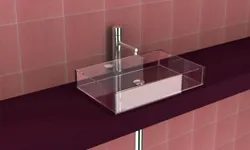
The Trap of Trendy Aesthetics
That chrome faucet that glows blue when the water runs? It feels luxurious today. In three years, it will look like a gadget from a budget sci-fi movie. Trends in bathroom design have a short shelf life. Fixtures, specific materials, and bold color palettes fall out of fashion faster than you can grout the tile.
The fix is simple. Stick to neutral colors. Choose classic styles. Use quality, natural materials like stone, glass, or solid wood that age well. If you crave personality, put it in the accessories. Towels, rugs, artwork, and soap dispensers can be swapped out without needing a wrench, screwdriver, or sledgehammer. Keep the bones timeless. Let the soft furnishings scream the current trend.
Choosing the Right Materials for Humidity
A bathroom is an environmental nightmare for building materials. Temperatures swing. Steam rises. Cold tiles meet hot skin. This cycle warps wood, rots textiles, degrades paper, and stains porous stone. You cannot treat a shower stall like a living room.
You must select products engineered for high-humidity zones. This isn’t just about aesthetics. It’s about longevity. Ensure your wallpaper is rated for bathrooms. Verify your hardwood cabinets are sealed against moisture. You want those surfaces to retain their gleam long after you’ve paid off the remodeling loan. Cheap materials fail here. They swell, crack, and mold.
Ignoring Water Conservation
Water conservation is no longer a niche concern. It’s a practical necessity for homeowners in the United States. Flushing, showering, bathing, and washing hands or hair all consume precious resources. Ignoring efficiency means wasting money and water.
Low-flow showerheads and high-efficiency toilets are the obvious upgrades. Auto-shutoff faucets add convenience while reducing waste. Consider the math. Toilets made before 1980 can use more than five gallons per flush. That is a massive amount of water lost every single day.
Replacing an old toilet isn’t just about saving the planet. It’s about saving cash. Many local water districts offer rebates for installing high-efficiency models. They may foot part of the bill. The new toilet pays for itself through reduced water bills over time. The ROI is tangible.
For a deeper level of conservation, look into gray water systems. These mini water reclamation stations collect runoff from sinks and showers. That water isn’t “dirty” enough for the toilet, but it’s clean enough to flush it. Fresh, sparkling water is reserved for drinking and cooking. The toilet gets reused water. It is an ingenious, environmentally conscious choice that reduces strain on municipal supplies.
“Gray water systems reuse water from other areas of your home in places like your toilet where fresh, sparkling clean water isn’t essential.”
Another option involves the shower itself. If you enjoy long, relaxing rinses, a water recirculating station can capture and filter that rinse water for reuse. You get the indulgence of a long shower without the guilt of wasting gallons.
Solving Inadequate Lighting
Most bathrooms fail at lighting. They rely on a single overhead bulb that casts harsh shadows. You can’t see what you’re doing when you shave, apply makeup, or inspect a suspicious mole. This is a safety hazard and a daily frustration.
You need layered lighting. Start with ambient light for general illumination. Add task lighting at the mirror. Sconces on either side of the vanity are better than a bulb above the

Stop blaming your skin. That spot on your chin? It’s toast. You missed it because the ambient glow in your powder room is too dim to distinguish between a stray crumb and a coffee stain. Or maybe a freckle. Or a shadow. Bad lighting doesn’t just make you look tired. It hides the truth. And in a room where you’re often half-dressed and vulnerable, ambiguity is a liability.
You might think soft, muted tones are forgiving. They aren’t. They’re just confusing. If you’re relying on dim switches to hide a receding hairline or yellowing teeth, you’re fighting a losing battle against physics. Worse, it’s a safety hazard. Navigating a wet tile floor in candlelight is a recipe for a broken hip. Install proper, bathroom-rated fixtures. High-lumen LEDs over the vanity. Motion-sensor nightlights near the tub. It keeps your guests from tripping over your toothbrush holder.
Fixing the Air: Ventilation and Moisture Control
Humidity is the silent killer of bathroom finishes. You run the shower. Steam rises. It hits the mirror. It coats the walls. If that moisture has nowhere to go, it settles. And when it settles, it rusts. Metal hinges? Gone. Drywall? Softening. Paint? Peeling.
The culprit is usually inadequate airflow. That ceiling fan you ignore is doing heavy lifting. It needs to work harder. Proper ventilation removes excess water vapor before it can wreak havoc on your cabinetry and drywall. Without it, you’re not just dealing with a stuffy room. You’re inviting mold and mildew to move in.
There are different ways to tackle this. You can install multiple vents around the room. Or you can stick with the standard overhead exhaust fan. The key is sizing. Measure your square footage. Provide those dimensions to your retailer or contractor. A fan that’s too small for the space is useless. It’ll run all day and still leave the air heavy. If your layout allows, add a window. Windows provide cross-ventilation that mechanical fans sometimes miss. They also let in natural light, which helps you see what you’re doing without burning electricity.
Efficiency and Cost
Water and energy waste are linked in ways you might not expect. A dripping faucet isn’t just annoying. It’s expensive. Neglecting a running water faucet for just five minutes wastes as much energy as leaving a 60-watt bulb on for 14 hours. That’s not a typo. Hot water requires energy to heat. Cold water requires energy to pump. Every drop counts.
The Bottom Line
Your bathroom should be a place of clarity. Clear vision. Clear air. Clear function. Dim lights and stagnant air work against you. Upgrade your fixtures. Size your vent correctly. Fix the drip. The rest will follow.


