You know that feeling. You’ve fluffed the pillows. You’ve folded the throw blanket with military precision. The floor is swept. It should look perfect. But something is missing. The soul is gone.
The problem usually isn’t the floor. It’s up there. Above your head.
We treat ceiling lights like an afterthought. Utility first. Aesthetic second. If it doesn’t flicker, it’s fine. Wrong. Lighting dictates the mood of a room. It softens harsh corners. It pulls the eye upward. It turns a box of drywall into a home.
With February dragging its feet, the winter gray is stubborn. You want spring warmth without tearing up your floors or calling a contractor. Enter Maisons du Monde. Their new Spring-Summer 2026 collection drops the old “cheap looking” stigma. These aren’t just bulbs in plastic. They are design pieces. High-end vibes. Mid-range prices.
Here is how to bring that slow-life elegance into your space without breaking the bank.
Why These Fixtures Look Far More Expensive Than They Are
A few years ago, “affordable lighting” meant flimsy metal that wobbled and plastic shades that yellowed by year two. You sacrificed quality for the price tag.
That era is over.
The new 2026 collection screams maturity. It’s a democratization of beauty. Look at the materials. We are seeing a shift from glossy, cheap plastics to textures with actual depth. Recycled polyester shades. Ribbed glass. These aren’t just labels; they change how light behaves. The light doesn’t just hit the surface; it catches the ridges. It creates shadows. It creates warmth.
The aesthetic for 2026? Organic. Tribal. Soft.
Forget the stark, cold spots that feel like a hospital waiting room. This is about hanging a sculpture. These fixtures are designed to be beautiful even when the switch is off. They are matte finishes. Creamy, calming tones. Amber-tinted transparencies that glow like honey at dusk.
They combat the winter blues by adding weight and character to the ceiling. They anchor the room.
“The goal isn’t just illumination. It’s atmosphere. These pieces act as the jewelry of your interior.”
5 Design Steals That Belong in Your Home
You are looking for that “slow life” vibe. You want lights that feel intentional, not incidental. Here are the five standout pieces from the new range that deliver maximum impact for minimum cost.
1. The Ribbed Glass Pendant
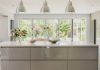
Glass is having a moment, but not the clear, sterile kind. Think textured. Thick. Ribbed glass pendants refract light in a way that feels luxurious. The ridges break up the beam, scattering it softly across your dining table or kitchen island. It looks like vintage Murano glass but costs a fraction of the price. When the light hits it, the room feels amber and deep.
2. The Woven Recycled Polyester Shade
Texture is king. A shade made from recycled polyester brings a softness that hard materials can’t match. The weave creates a dappled light effect on the walls. It’s organic. It’s tactile. It feels handmade, even if it’s mass-produced. This is the piece you hang over a reading nook. It creates a cozy cocoon of light.
3. The Matte Ceramic Sphere
Glossy is out. Matte is in. A simple sphere in a creamy matte finish acts as a sculpture. It doesn’t compete with

Five standout pendant lights that mimic high-end designer finds
You don’t need a gallery budget to get that curated look. Five specific models catch the eye because they hit that sweet spot between affordable and artistic. They have this subtle “it factor” that makes them feel like secret finds rather than mass-produced hardware.
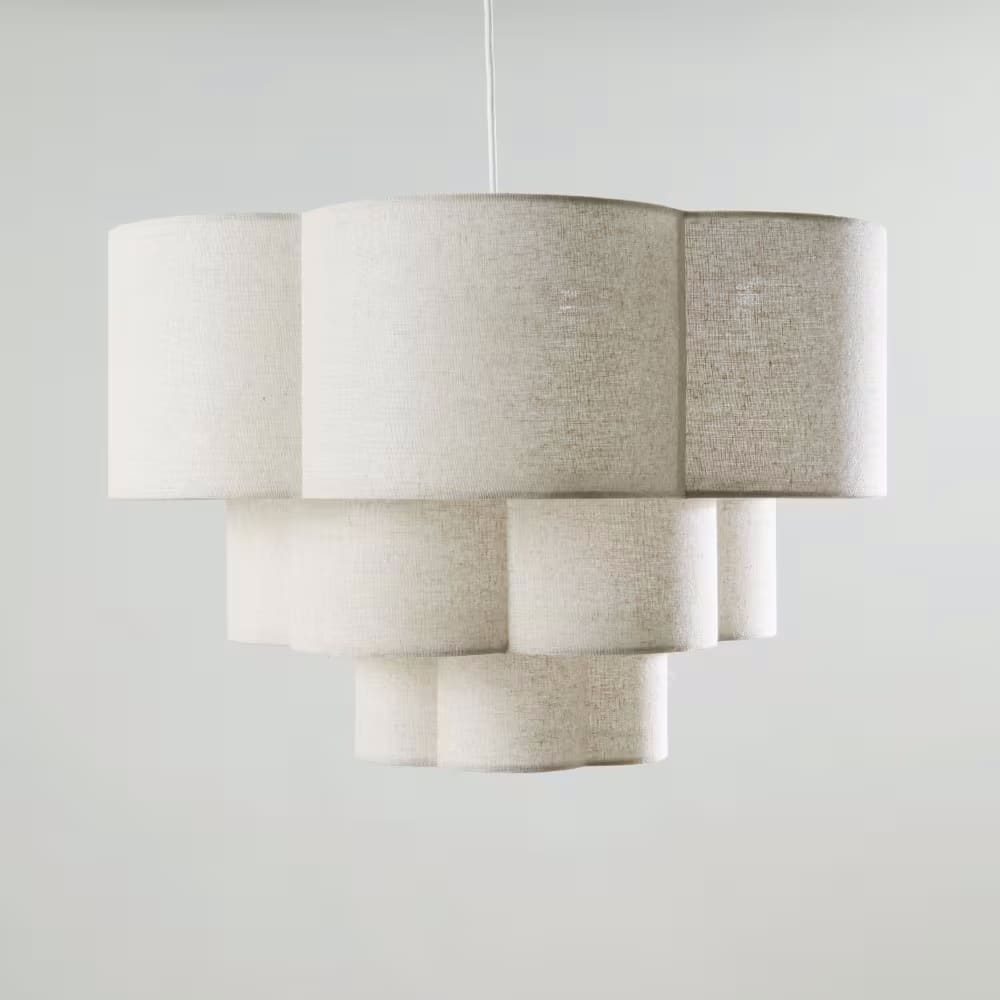
The Augustine pendant is an architectural statement in its own right. It uses three tiers of recycled polyester in a creamy off-white shade. The result is a massive volume that defines the room without making it feel heavy or cluttered. It’s the perfect anchor for a round dining table or a master bedroom where you want an instant sense of a cozy cocoon.
If you prefer minimalism with a poetic twist, look at the Garido. Its fluid design catches the light differently. Made from recycled polyester, it diffuses a soft, muted glow. This is ideal for spaces where you want calm. It comes in various sizes, so if you have high ceilings, you can cluster them to create a visual rhythm.
For a warmer, more vintage vibe, the Séraphine features striated amber glass. The texture recalls 1970s design trends but feels fresh now. That amber tint filters the light, creating a hushed, intimate atmosphere. It’s perfect for living rooms where you want to unwind after a long day.
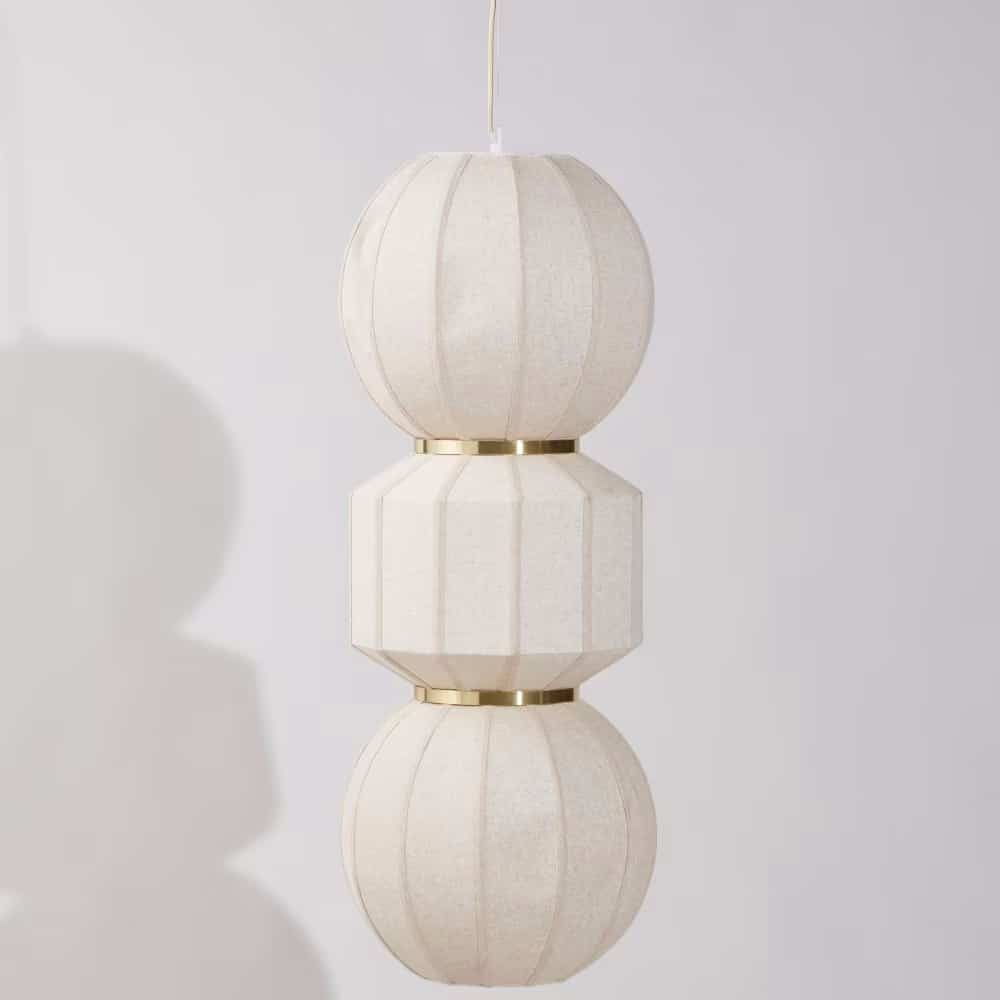
Then there’s the Zita, which balances contemporary style with lightweight comfort. It features three shades made from recycled fabric. It bridges the gap between boho-chic and clean Scandinavian decor. The price-to-quality ratio here is surprisingly sharp, especially when you see the attention to detail in the finishes.
How to maximize the impact of your pendant lighting
Having the right fixture is only half the battle. You need to install it correctly to get the full effect. Placement matters more than you might think.
For dining rooms, hang the pendant about 70 to 80 centimeters above the tabletop. If it’s too high, it loses intimacy. If it’s too low, it blocks sightlines. With voluminous models like the Augustine or Zita, don’t be afraid to lower them slightly. This creates a distinct “bubble” of light that draws people in.
The color temperature of your bulbs changes everything. Avoid cold white light with these natural materials and amber glass. Instead, use warm white LED bulbs between 2700 and 3000 Kelvins. This warmth enhances the golden tones in the Séraphine and brings out the creamy texture in the fabric shades. It’s a small technical detail that separates a sterile room from a magazine-worthy sanctuary.
Finally, play with contrast. These soft-toned fixtures pop against slightly darker walls. Think sage green, soft terracotta, or warm grey. In a world where we spend so much time indoors, tweaking these lighting details is one of the cheapest and most effective ways to improve your mood. Changing fixtures is often the step people put off, fearing the installation or lacking ideas. But it’s a simple move that can redefine a room’s character without breaking the bank. Which of these would you welcome into your space this spring?