The American kitchen isn’t just a place to cook. It is the heart of the home. This style blends high-end aesthetics with rugged practicality. You get spacious layouts. Bright lighting. Massive countertops. And usually, a central island that anchors the entire room.
These spaces demand attention to detail. Every accessory, color choice, and material selection serves a purpose. The goal is simple. Create warmth. Invite people in. Make the space feel lived-in yet polished.
Breaking Down the Foundation
To achieve this look, you need to understand the bones of the design. It is not just about slapping white cabinets on the walls. It is about structure and flow.
Space and Light
American kitchens are rarely cramped. The floor plan prioritizes openness. You often see an open-concept layout that merges with the living or dining area. This requires a serious commitment to airflow and natural light. Large windows are standard. They flood the room with daylight during the day and highlight the interior lighting at night.
If you are renovating, consider knocking down non-load-bearing walls. The result is a cohesive area where cooking and socializing happen simultaneously.
The Island as a Hub
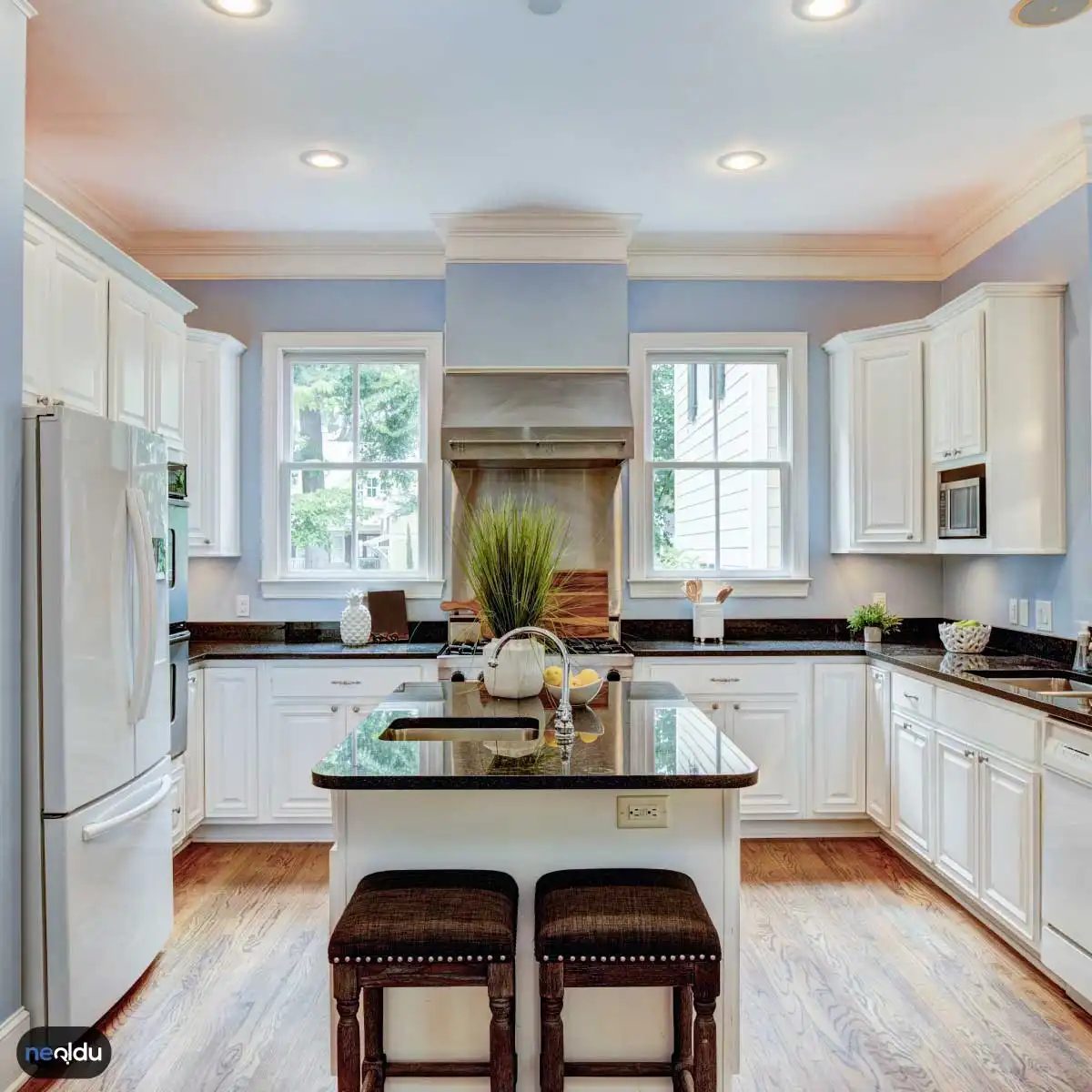
No American kitchen discussion is complete without the island. It is more than extra counter space. It is a gathering point. Think of it as a command center for food prep and casual dining.
- Size matters: It needs to be large enough for multiple people to stand around it comfortably without bumping elbows.
- Functionality: Incorporate a cooktop, a sink, or deep drawers for storage.
- Seating: Bar stools are essential. They bridge the gap between chef and guest.
Cabinetry and Countertops
The cabinets in this style are bold. They are often painted in deep blues, grays, or rich greens, contrasting with lighter walls. Or, you might go for classic white shaker-style cabinets with black hardware. The key is quality construction. These are not flimsy particle board units. They are solid wood or high-density composite materials built to last.
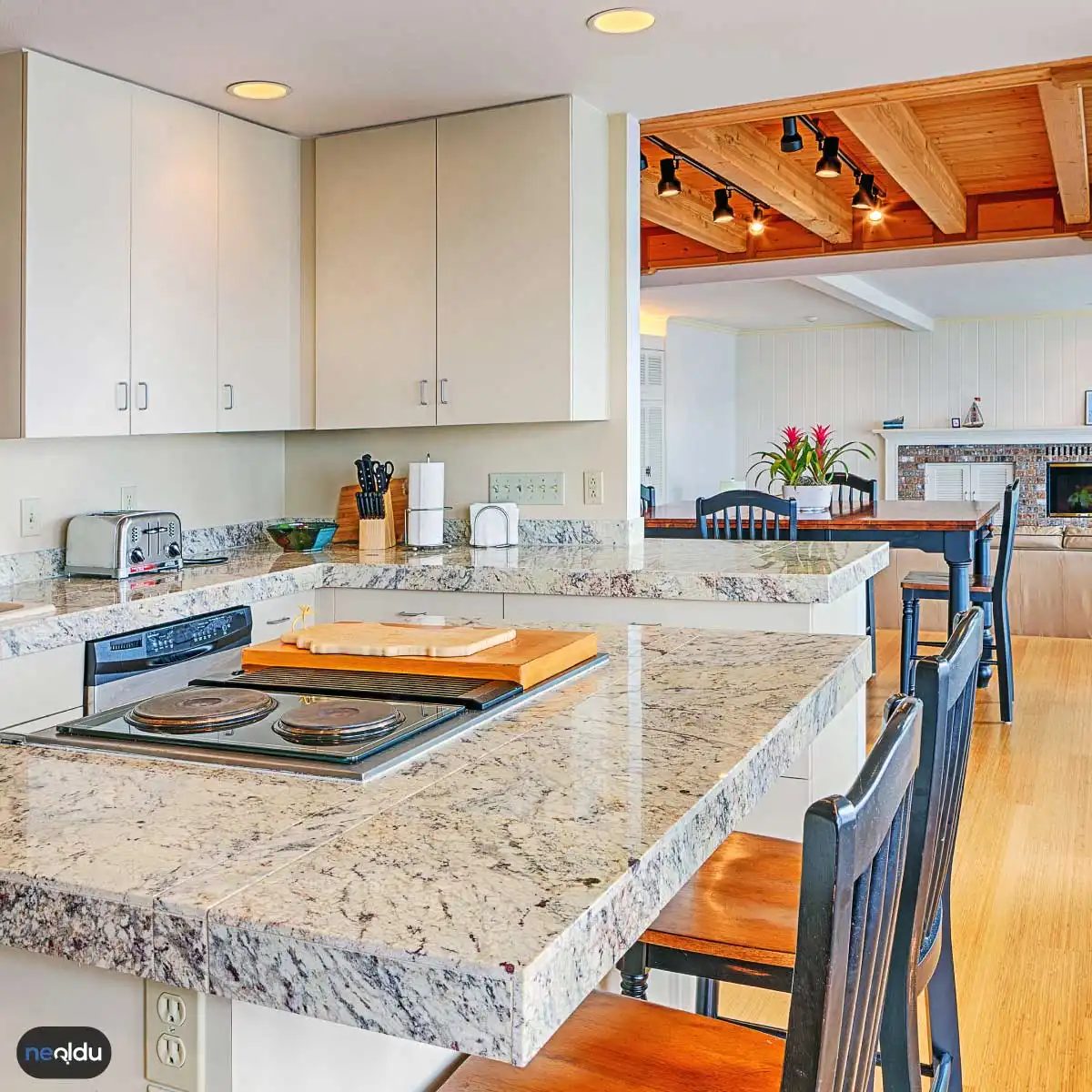
Countertops take a beating. Granite, quartz, and marble are the go-to materials. They resist heat and scratches. They also add a layer of luxury that defines the aesthetic. Quartz is particularly popular for its low maintenance and consistent veining patterns.
Balancing Modern and Retro Vibes
The American kitchen style is not static. It shifts with the times. Understanding where your taste falls on the spectrum between modern minimalism and retro charm is crucial.
Modern Minimalist
If you prefer clean lines and uncluttered surfaces, lean toward a modern interpretation.
* Handle-less cabinets: Push-to-open mechanisms keep the facade smooth.
* Integrated appliances: Refrigerators and dishwashers are hidden behind paneling.
* Neutral palette: Whites, grays, and blacks dominate.
* Smart tech: Hidden charging stations and automated lighting systems.
Retro Charm
For those who love character, the retro route offers warmth and nostalgia.
* Mixed materials: Wood accents paired with metal fixtures.
* Vintage-inspired hardware: Knobs and pulls that look like they belong in a 1950s diner.
* Bold colors: Mustard yell

Open concept isn’t just a trend. It’s a lifestyle requirement.
Forget the idea that a kitchen is a place to hide while you chop onions. American kitchen design operates on the premise that cooking is social. The walls come down. You get an open-plan layout that bleeds into the living room or dining area.
This isn’t just about aesthetics. It’s about flow.
When you remove the barriers, you invite light. You invite conversation. The kitchen stops being an isolated utility room and becomes the heart of the home. If you’re planning a renovation, this is the foundational step. You’re not just rearranging cabinets. You’re redefining how your household interacts with space.
The Island is Non-Negotiable
In these designs, the island isn’t a luxury. It’s central infrastructure.
Most American-style kitchens feature a large island or an expansive countertop area. Think of it as a command center. It provides ample surface area for prep work. It houses the stove or sink. But it also serves a secondary, equally important function: gathering.
“The kitchen island acts as a bridge between the cook and the guests.”
Pair that island with bar stools. Suddenly, you have a space for breakfast chats or wine with friends. It breaks up the monotony of the room. It creates zones without using walls. When choosing materials for your island, consider durability. You’ll be leaning on it. You’ll be working on it. Granite, quartz, or thick butcher block handle the abuse better than delicate surfaces.
Mix Your Materials
One note of caution: avoid a sterile, showroom look. American kitchens thrive on contrast. They love a mix of textures.
You might combine natural wood cabinetry with stainless steel appliances. The wood brings warmth. The steel brings modernity. This juxtaposition is key to the style. Don’t be afraid to layer in other elements. Ceramic tiles. Stone accents. Even brick wall cladding can add character if used sparingly.
For flooring, wide-plank hardwood or durable tile works best. You want something that complements the wood but stands up to spills and traffic. The goal is a curated, lived-in feel. Not a museum exhibit.
Double Up on Colors
Stick to a two-tone palette. It keeps the design grounded.
Base cabinets often get a solid, dark hue or natural wood finish. Upper cabinets might stay white or light gray. This vertical separation adds depth. It makes ceilings feel higher.
Countertops usually lean toward lighter tones. Quartz in white or cream reflects light. It keeps the space airy. If your floor is light, your island can be darker. Or vice versa. The contrast creates visual interest. It prevents the room from feeling flat.
When selecting paint colors, test samples in different lighting. Morning light hits differently than evening recessed lighting. What looks gray in the store might look beige in your kitchen at 8 PM.
Modern Twists
Contemporary American designs have evolved. They incorporate smart storage solutions. Pull-out pantry systems. Hidden trash receptacles. Integrated charging stations in islands.
The aesthetic remains rooted in comfort and function. But the execution is sharper. Think clean lines. Minimalist hardware. But still, that inviting warmth.
How do you plan to integrate these elements? Are you tearing down walls? Or just tweaking the palette? The shift starts with a clear vision
Amerikan mutfağında modernite, karmaşık oymalardan kaçınır. Bunun yerine doğrular ve düzlemsel yüzeyler konuşur. Bu tarz, işlevsellikle estetiği zorla değil, doğal bir uyum içinde birleştirir. Eğer siz de kendi mutfağınızı bu akıma taşımayı düşünüyorsanız, temel unsurlara odaklanmanız gerekir.
Doğru Hat Seçimi ve Yüzey Detayları
Modern tasarımın kalbi temiz çizgilerdedir. Dolaplar, tezgahlar ve ada (island) yapıları minimalist bir felsefeyle şekillenir. Keskin kenarlar yerine düz yüzeyler tercih edilir. Bu da mutfakta sade ve sakin bir görünüm yaratır.
Dolap kapılarında süslemeye yer yoktur. Çekmeceler genellikle push-to-open mekanizmalarıyla çalışır. Ya da ince, gizli profil tutamaçlar kullanılır. Amaç görsel gürültüyü azaltmaktır.
Işık ve Mekân Algısı
Dar ve karanlık mutfaklar modern akıma uymaz. Ferahlık şarttır. Büyük pencereler, mümkünse tavan yüksekliğine kadar uzanan cam paneller, doğal ışığı içeri alır. Yapay aydınlatma ise bu ışığı destekler.
Gizli LED şeritler, rafların altına veya dolapların içine monte edilir. Bu, mutfakta katmanlı bir aydınlatma sağlar. Gece yemek hazırlarken gölgeler oluşmaz. Gün içinde ise alan daha geniş ve davetkar hissettirir.
Renk Paleti ve Malzeme Seçimi
Modern Amerikan mutfağında renk filozofisi sadedir. Beyaz, gri, siyah ve nötr tonlar baskındır. Bu renkler temizlik ve düzen algısı yaratır.
Parlak yüzeyler ışığı yansıtır. Paslanmaz çelik, cam, parlak laminat veya parlak boyalı dolaplar kullanılır. Bu materyaller, mutfakta modern bir ışıltı sağlar. Ancak mat yüzeyler de tercih edilebilir. Matte siyah veya açık gri granit tezgahlar, kontrast oluşturur.
Malzeme seçiminde dayanıklılık önemlidir. Yüzeyler, sık kullanımına dayanacak şekilde seçilmelidir.
Teknoloji ve Fonksiyonel Detaylar
Modern mutfaklar, teknolojiyle iç içedir. Akıllı ev sistemleri, dokunmatik kontrollerle donatılmış ev aletleri, entegre ses ve ışık sistemleri gibi özellikler mutfak işlevselliğini artırır.
Akıllı buzdolapları, ekranlarıyla alışveriş listelerini günceller. Çekmece içi aydınlatma, sensörlerle açılıp kapanır. Bu detaylar, günlük yaşamı kolaylaştırır.
Aksesuarlar ve İşlevsel Öğeler
Modern mutfağın aksesuarları da işlevs
You don’t just live in an American kitchen. You curate it. The difference between a sterile lab and a homey retreat comes down to the small stuff. The clutter that isn’t clutter. It’s the rhythm of the room.
Choosing Tableware That Speaks
Forget matching sets. They’re for special occasions and storage boxes. In a lived-in American kitchen, dishes are worn, chipped, and loved. Mix patterns.
A stack of blue-and-white transferware plates next to simple white stoneware. It creates depth. It tells a story.
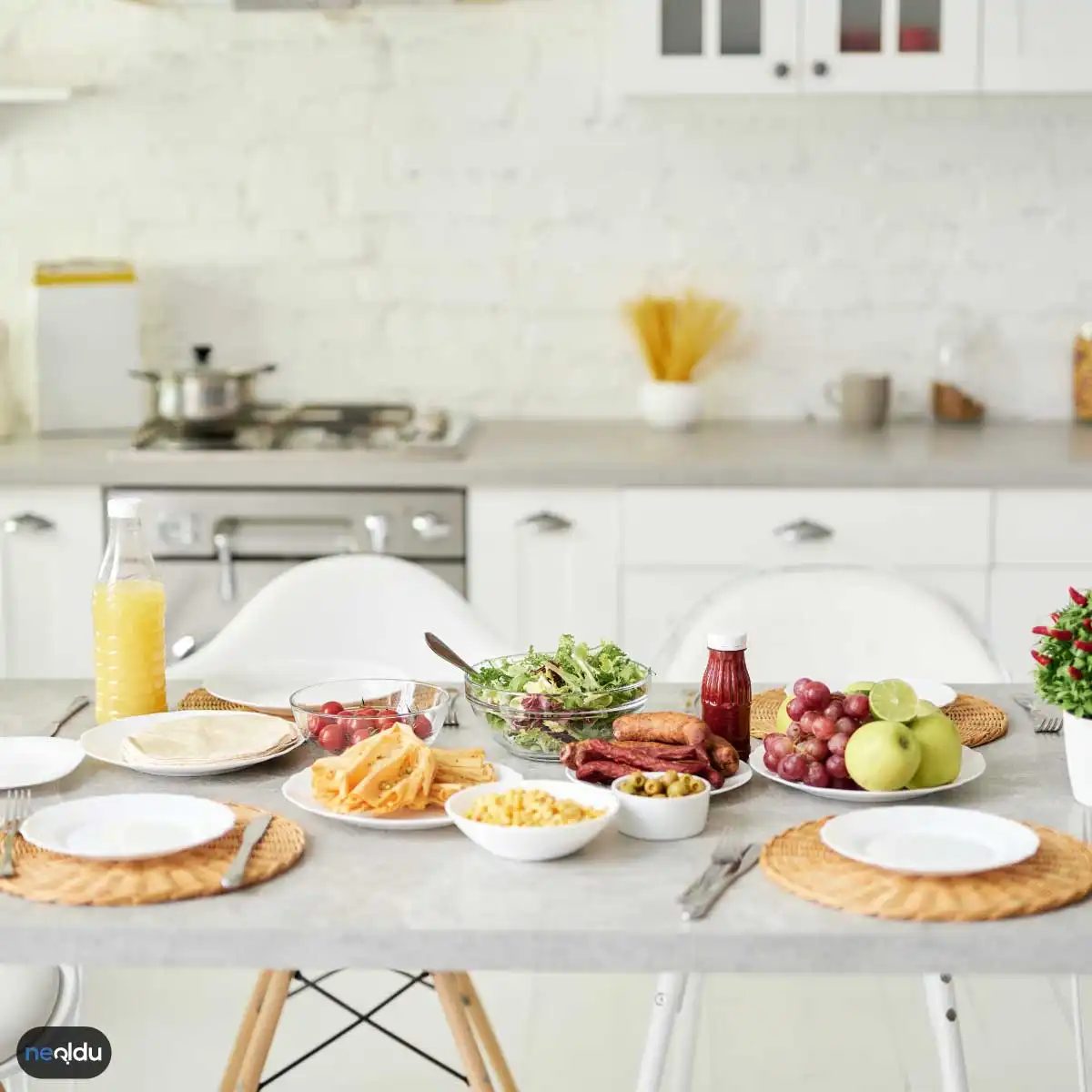
Table settings should feel intentional but effortless. If you’re hosting dinner, layer textures. Linen napkins. Wooden cutting boards used as serving platters. The goal isn’t perfection. It’s warmth.
Functional Decor on Display
Why hide your gear? American kitchens celebrate the tools of trade. A stand mixer isn’t just an appliance. It’s a centerpiece.
Keep your daily drivers out. A vibrant red KitchenAid. A cast-iron skillet resting on a hook. Glass jars filled with dry goods like pasta or beans, labeled with chalkboard tags.
These items serve two purposes. They save counter space by utilizing vertical storage. They add color and character to open shelving. Just keep it tidy. Clutter kills style faster than bad taste.
Bringing the Outdoors In
Plants are non-negotiable. A kitchen without greenery feels dead. But you don’t need a jungle.
Herbs in a sunny window. A trailing pothos hanging from a high shelf. A single vase of wildflowers on the table.
These elements introduce life. They soften hard lines. They make the air feel fresher. Choose low-maintenance varieties if you’re prone to forgetting to water things. Succulents. Snake plants. They thrive on neglect.
The Art of the Quirky Detail
This is where personality shines. Decorative accents should reflect you. Not a Pinterest board. You.
Think vintage. A retro radio playing jazz in the background. A collection of ceramic bowls stacked haphazardly on a shelf. A framed print of a botanical illustration.
Don’t overbuy. One or two statement pieces per zone is enough. Too much stuff makes a kitchen feel cramped. Less is more, but the “more” needs to be interesting.
Walls as Canvas
White walls are boring. Or they’re a blank slate. It’s up to you.
Use wallpaper for an accent wall. A bold geometric pattern behind the stove? Sure. Or go subtle. Textured wallpaper adds depth without overwhelming the space.
Art matters. Don’t just hang family photos. Mix in abstract prints, vintage maps, or your own sketches. Use a gallery wall to fill empty space. It draws the eye around the room.
Frame everything. Even that funny quote your niece wrote. It adds history to the space.
Understanding American Kitchen Islands and Bar Stools
The island is the heart of the modern American kitchen. It’s not just extra counter space. It’s a social hub.
When choosing an island, think about function first. Do you need storage? Add drawers. Do you need prep space? Ensure enough room to move around. The standard depth is usually 24 to 30
Choosing the Right Counter Stools for Your Island
Counters and bar stools aren’t just furniture. They are the social engine of an American kitchen. You sit here. You eat breakfast. You talk to guests who are standing at the island. The goal is simple: comfort meets style without sacrificing function.
When you are looking for countertop and bar stools, you need to look beyond the price tag. You need to look at ergonomics. A good stool supports your posture. If you spend an hour cooking dinner with one foot on the rung, your back will thank you. But if the seat is too hard or the height is wrong, it’s just a pain waiting to happen.
Matching Style to Your Kitchen’s Vibe
American kitchens range from stark modern to farmhouse rustic. Your stools need to fit.
If you want a sleek, minimalist look, go for metal frames. Chrome or brushed nickel works well. It reflects light and feels airy.
If you are leaning toward a warmer, rustic vibe, look for wood or leather. Wood adds texture. Leather adds a sense of durability that ages well.
Don’t be afraid of color. A pair of bright blue or mustard yellow stools can inject energy into a neutral kitchen. Just make sure it complements your cabinets or backsplash.
Height and Space: Measure Twice, Buy Once
This is where most people mess up.
Standard bar stools are usually 70-80 cm (about 28-32 inches) high. But your counter height dictates what you buy.
– Counter height (36 inches): You need stools around 24-26 inches.
– Bar height (42 inches): You need stools around 30 inches.
If the stool is too low, your knees will hit the underside of the counter. It looks awkward. It feels cramped.
If it’s too high, your feet dangle. No leverage. No comfort.
Also, measure the floor space. Leave at least 12-15 inches of clearance between the front of the stool and any island edge or wall. You need room to slide out without kicking the dishwasher.
Swivel and Adjustability: Useful or Useless?
Some stools swivel. Some have adjustable heights. Are they worth the extra cost?
A swivel mechanism is great. It lets you turn to face the cook or the guest without shifting your whole body. It feels fluid. It’s practical.
Adjustable height is a lifesaver if you have a household with people of different heights. One minute you need it lower for a quick snack. The next, you need it higher for a taller guest.
However, moving parts break. If you buy a swivel stool, check the mechanism. It should move smoothly, not stick or wobble.
Durability and Easy Cleaning
You spill things. Ketchup. Coffee. Oil.
Your stools need to handle it.
- Wood: Looks great but can stain. Needs sealing.
- Metal: Indestructible. Wipes clean. Can feel cold.
- Plastic: Cheap, but often looks cheap. Good for outdoor use.
- Leather/Vinyl: Easy to wipe down. Looks luxurious. Can crack over time if not cared for.
For a busy family kitchen, vinyl-wrapped seats with metal legs are often the smartest bet. They take a beating and clean up in seconds.
Why This Matters for American Kitchen Design
You might be wondering why this specific furniture choice gets so much attention in American home design. It’s not just about sitting. It’s about the layout.
An American kitchen is usually large. It’s open. It’s designed for gathering. The island is the centerpiece. The stools turn a workspace into a living room extension.
Which materials work best for humid kitchens?
Metal and treated wood resist moisture better than untreated fabrics. If you live in a humid area, avoid porous fabrics that trap smell and mold.
How do I make my kitchen look bigger?
Choose stools with legs, not solid bases. See-through designs (like wire mesh or thin wooden slats) keep sightlines open. This makes the room feel airier.
What is the most budget-friendly upgrade?
You don’t need to replace everything. Paint your cabinets. Update the hardware. Then, add one or two statement stools to the island. It costs less than a full remodel but changes the vibe instantly.
Accessories and Final Touches
The stools are the anchor. But the accessories finish the look.
Think about storage. American kitchens love hidden storage. Deep drawers. Pull-out pantries. The island itself should have drawers or cabinets. Use the stools for sitting, but use the island for storing your blender and mixer.
For decor, think small. A basket of lemons on the counter. A small potted herb garden. Retro toasters. These items add personality without clutter.
Stick to neutral tones for the big items—white, beige, light gray. They make the space feel clean and bright. Then, use accessories to add color.
It’s not about perfection. It’s about function. Pick stools you love. Make sure they fit. Then, start using the space. The kitchen becomes a hub. The stools are just the invitation to stay a while.