


We always use these words interchangeably. Buy a “metal shed”. You can see the “steel beams”. To the untrained eye, they are the same. Hard. Shiny. Heavy. However, treating them as synonyms is a technical error and can cause confusion when purchasing material or trying to understand why a certain product was chosen for a certain job.
Steel is metal. But not all metals are steel.
This difference is important if you are planning a renovation. It affects the price, durability and the use of materials in the shop. Analyzing the chemical composition to know what you are really buying.
核心定义:元素与合金
这是简单的事实。 金属 是一种化学元素。 它存在于元素周期表上。 它是一种纯净的物质。
想想钛。 铜。 镍。 金子。 银。 铂。 这些是在地壳中发现的元素。 它们具有金属键。 它们具有易熔性、延展性和光泽。 当您购买铜线时,您购买的是纯元素(大部分)。
钢 是不同的。 它是一种合金 。
合金是混合物。 具体来说,钢是铁和碳的混合物。 碳含量通常在 0.5% 至 1.5% 之间。 由于钢中含有混入金属铁中的非金属碳,因此从技术上讲,钢并不是纯金属。 它是一个的变体。
钢是一种碳含量不同的铁合金。 它部分由金属组成,但由于其化学成分中也含有非金属碳,因此它不是纯金属。
Why is this important for DIY projects?
You might be wondering, “Does the chemical composition change how I use it?” Yes. It explains strength.
Pure iron is relatively soft. It bends. It rusts easily. Impurities such as silica, phosphorus and sulfur are removed from iron ore so that it can be used for construction purposes. Then we add carbon.
result? ** Steel is much stronger than iron. **
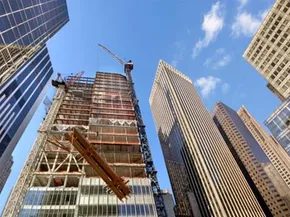
Due to this strength, pure iron cannot be found in tall buildings. What you see is steel. It can be viewed at:
* Skyscrapers
* car frame
* Bridge support
* Surgical instruments
* Ship hulls
You need this strength if you are building decks, fences or structural supports. This is why the term “steel metal building” is so common in the construction industry. Although unnecessary, it emphasizes the primary source of the material.
解决常见的困惑
让我们消除噪音。 以下是房主在查看材料标签时通常会遇到的具体问题。
金属和钢之间的实际区别是什么?
金属是一种天然存在的化学元素。 它是纯净的。 钢是一种合金。 它是铁和碳的混合物(0.5% 至 1.5%)。 从纯度来看,金属是纯净的。 钢是不纯的。 它是一种由金属衍生的人造材料。
钢和金属是同一种东西吗?
不。钢是由铁制成的,铁是一种金属。 但钢本身就是一种合金。 将钢称为金属就像将蛋糕称为面包一样。 面包是一种配料。 蛋糕是一个创作。
为什么钢比铁更坚固?
碳。 在铁结构中添加碳原子会改变分子键。 它形成的晶格比纯铁更能抵抗变形。 这就是为什么选择钢材来制造必须支撑边缘的工具或必须承受重量的横梁。
铁比钢贵吗?
一般来说,不会。 铸铁通常比铸钢便宜。 它需要更少的能量来生产。 材料比较便宜。 铸造所涉及的劳动力较低。 最终产品的成本更低。 如果您看到“铸铁”煎锅,那么您正在为材料和传统付出代价,不一定比钢制煎锅的价格更高。
Practical points from the seminar
When you go to a hardware store, you’ll see labels like “stainless steel,” “carbon steel,” or “steel.” These are all alloys. These are not pure elements.
If you are looking for “metal” siding for your home, check the spec sheet. Probably made of steel. Or maybe aluminum. Or zinc. Each has different characteristics. Aluminum is light and does not rust, but it is dents easier. Although steel is strong, it can rust if not treated.
The technical alloy of steel helps to understand why it behaves the way it does. It’s not just “harder metal”. It is a special chemical combination of iron and carbon designed to withstand forces that pure iron cannot.
So the next time you hear someone say “steel metal”, you can smile. They are right, but they are also being redundant. It’s like saying “water liquid”. Technically correct. But it’s a bit empty.
The difference is in the details. When it comes to DIY, the details can make or break a project.


