Furniture takes a beating. Spills. Dirt. The slow accumulation of life’s mess. If your sofa is upholstered in fabric and looking tired, a steam cleaner might be the fix. It revives the fabric. It kills bacteria. It gives that second wind without the heavy cost of professional cleaning.
This works for sofas. It works for armchairs. The method is simple if you follow the steps.
Why Steam Works
Heat does the heavy lifting. Steam penetrates deep into fibers. It lifts stains that regular vacuuming misses. The high temperature sanitizes the material. This is key for pet owners or households with kids.
Not all fabrics react the same. Check the label first. Most fabric sofas can handle steam. Some cannot. Always spot-test an inconspicuous area. Wait for it to dry. If the color bleeds or the fabric warps, stop. Switch to a different method.
Tools You Need
You don’t need much. Just the right gear.
- A reliable steam cleaner
- Microfiber cloths
- A soft-bristled brush
- White vinegar
- Water
- A spray bottle
The vinegar mix helps with odors. It also cuts through grease. Mix one part vinegar with two parts water. Add it to the spray bottle.
Step 1: Prep the Area
Start by removing all cushions. Vacuum them separately. Use the upholstery attachment. Go over the entire surface. Remove loose dirt first. If you steam over dust, you make mud. That’s a mistake.
Remove any loose objects from the sofa. Books. Remote controls. Throw pillows. Clear the workspace.
Step 2: Mix and Test
Fill your steam cleaner with water according to the manufacturer’s instructions. If you’re using the vinegar solution, fill the tank with that. Or pre-treat stains with the spray bottle.
Find a hidden spot. Under a cushion. Behind a armrest. Test the steam here. Watch for shrinkage. Watch for discoloration. If it holds up, proceed. If not, abort.
Step 3: The Steam Clean
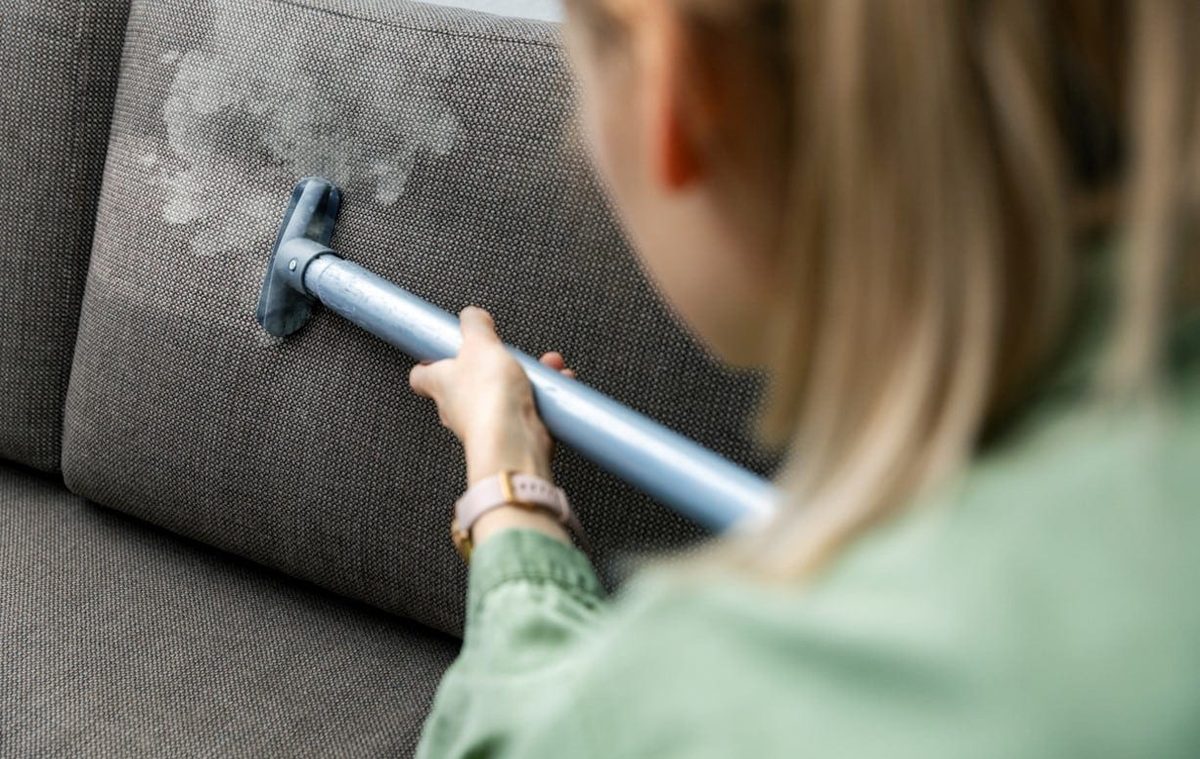
Hold the steam head an inch or two above the fabric. Move slowly. Overlap each pass. The heat and moisture loosen embedded grime.
Work in small sections. Top to bottom. Left to right. Consistency matters. Don’t rush. Let the steam do the work. You’re not scrubbing. You’re agitating with heat.
For stubborn stains, hold the steam longer. Use the soft-bristled brush gently. Circular motions. Lift the stain. Blot with a microfiber cloth. Absorb the moisture. Don’t rub. Rubbing pushes dirt deeper.
Step 4: Dry Thoroughly
This step is often skipped. It’s critical. Damp fabric breeds mold. Musty smells return. You undo all your work.
Open windows. Turn on fans. Use a dehumidifier if you have one. Accelerate drying.
Flip cushions. Rotate them. Air needs to circulate on all sides. This takes time. Be patient.
When to Call a Pro
Some fabrics are delicate. Silk. Velvet. Antique upholstery. These require special care. Steam can damage them. If you’re unsure, consult the manufacturer’s
Skip the chemicals when steam cleaning
You don’t need to add detergent. Seriously. The heat alone does the heavy lifting. Fill the reservoir with plain water and let the steam break down the grime. This approach is safer for your lungs and your skin. No harsh fumes lingering in the living room.
Parents often prefer this route. Kids crawl on the floors. They touch the furniture. Avoiding synthetic chemicals is a win for household safety. You can still clean effectively. The thermal action sanitizes the fabric. It kills dust mites and bacteria without a single drop of soap.
If you absolutely insist on using cleaner, you can. Just dilute it in the water tank. Check your manual for ratios. Every cleaner is different. Every tank size varies. Guessing leads to residue. Residue attracts more dirt. Stick to water unless you have a specific stain.
Prep the fabric before turning it on
Vacuum first. Always. This is non-negotiable. If you skip this step, you’re just pushing dry dust deeper into the fibers. Use a soft-bristled brush attachment. A round head works well for upholstery. Go over the entire surface. Get into the crevices.
Removing loose debris prevents new stains. It also helps the steam penetrate better. Imagine trying to scrub a mud puddle with a brick. It doesn’t work. Clear the surface first. Then apply the heat.
Test a hidden spot to avoid disaster
First time using a steam cleaner on a specific fabric? Test it. Find an inconspicuous area. The back of the sofa. Under a cushion. Somewhere nobody looks. Apply the steam. Watch the fabric.
Check for color bleeding. Look for shrinkage. See if the texture changes. Some fabrics hate heat. Some dyes run when wet. If you see any damage, stop immediately. Do not proceed on the visible parts. You risk ruining the entire piece. Protect sensitive materials like wood trim nearby. Steam can warp wood. Be careful.
Apply the steam correctly
Turn the unit on. Wait for it to heat up. Most models have a green light. That means you’re good to go. If you’re unsure, read the manual. But generally, wait until the indicator changes.
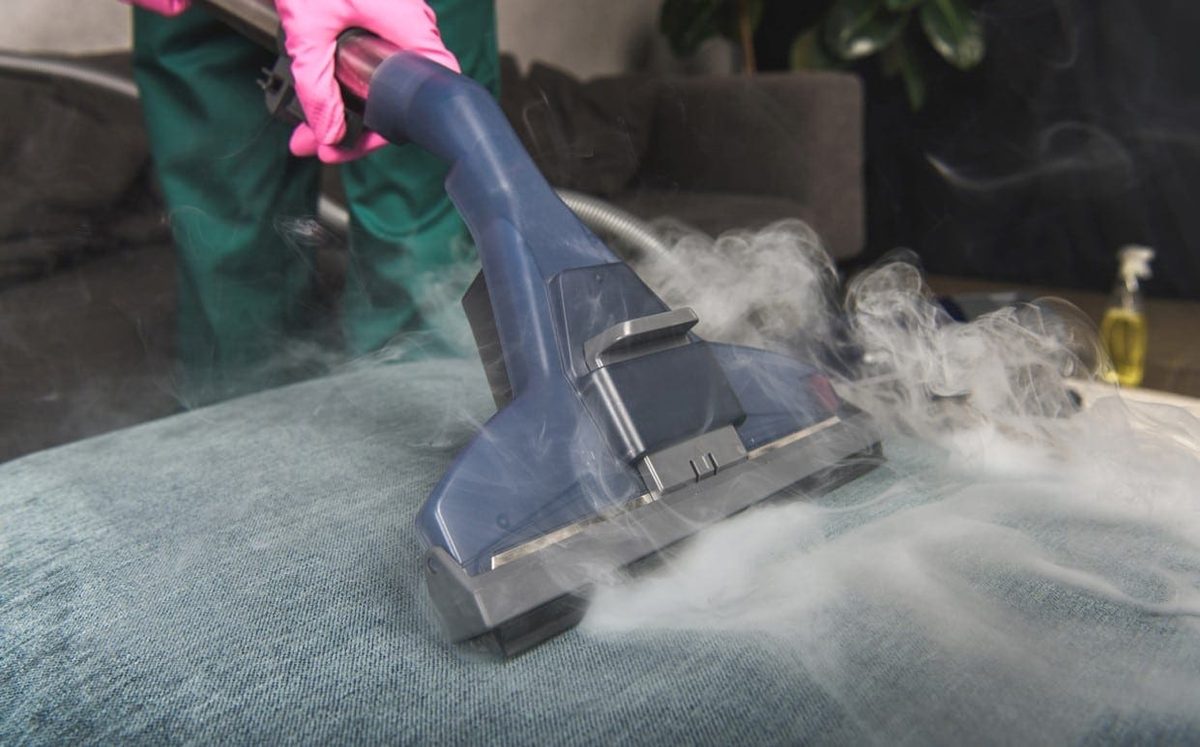
Start at a corner. Press the head firmly against the fabric. Squeeze the trigger. Let the steam blast out. Move slowly. Do not rush. You need the steam to dwell on the fibers. Lift the dirt. Pull it out of the weave.
Move in straight lines. Overlap your passes slightly. Cover the whole surface. For tough stains, pause and hold the steam a bit longer. Let the heat work. If you have a hot water extraction model, do a second pass without steam. This suction removes the dirty water. It leaves the fabric drier. Faster drying means less risk of mildew.

The drying process
You just finished steaming. Now comes the waiting game.
Leave the sofa in a well-ventilated room. Let it air dry completely. Do not rush this step. If you skip it, you trap moisture inside. Mold follows moisture. Mold ruins fabric.
If you have cushions, take them off. Let them dry separately. Put them back only when the base is bone dry. Wet cushions breed mildew. They also smell bad within days.
If you had applied a stain protector before cleaning, it’s gone. Steam strips away chemical barriers.
You need to reapply protection. Use a fabric protector spray or an impregnating product designed for upholstery. This step is non-negotiable if you want your next clean-up to be easy.
Critical warnings for steam cleaning
Steam is powerful. It is not a universal solution. Using it wrong can destroy your furniture.
Check your fabric type first. Some materials simply cannot take the heat and moisture.
- Acrylic velvet: Do not use a steam cleaner. The fibers can melt or mat.
- Satin and chintz: Steam strips the finish. These fabrics lose their shine permanently after steaming. Test a hidden spot first. If it looks dull, stop.
- Old blood or wine stains: Steam sets protein-based stains. If you steam wine or blood, you are cooking it into the fibers. The stain will never come out. Treat these spots with enzyme cleaners first.
Technique matters
How you move the nozzle determines the result.
Keep the steamer moving. Go at a steady pace. If you hover in one spot for too long, the fabric gets saturated. Water pools. This causes dark spots. These spots look like stains but are just water rings.
Steam is best for light dirt. It dissolves surface grime and kills bacteria. It does not lift heavy, ground-in mud or grease effectively. If your sofa is heavily soiled, steam alone will fail. You need pre-treatment.
What to expect
Your sofa will feel cool and stiff for a few hours. That is normal. The fibers swell with water. They shrink back as they dry.
If you see discoloration after drying, it might be dye bleeding. This is rare but possible on cheap fabrics. If it happens, you cannot fix it with more steam. It might require professional extraction or re-dyeing.
Check the care label. Look for the code “W” for water-safe cleaning. “S” means solvent only. No water. No steam. If you steam an “S” rated fabric, you have voided any warranty and likely ruined the look.
The goal is clean, fresh, and protected. Not soaked.