The Italian shower—also known as a walk-in shower or curbless shower—is having a major moment. It isn’t just about aesthetics, though the sleek, floor-to-ceiling glass panels and minimalist fixtures are undeniably attractive. It is about the space. Removing the shower curb creates an open, luxurious feel that makes even small bathrooms look larger and more modern. Homeowners are obsessed with the look. It feels high-end. It feels effortless.
But there is a catch. That open design, which is so easy on the eyes, is a nightmare for maintenance. Without a threshold to contain the water, splashes travel. Further than you think. If you have installed one of these stunning units, you know the struggle. One wrong move and you have a wet floor throughout the entire bathroom. Worse yet, water spots and soap scum accumulate on that expansive glass surface faster than you can wipe it down.
You do not need a professional cleaning crew to keep this space pristine. You just need the right technique and a few household staples. Here is how to tackle the daily and weekly grime of a walk-in shower without breaking your back or your budget.
The Daily Defense: Squeegees Are Non-Negotiable
Most people wait until the shower is visibly dirty before they clean it. That is a mistake with an Italian shower. Because the glass area is often larger than in traditional stalls, water has more surface area to evaporate, leaving behind mineral deposits.
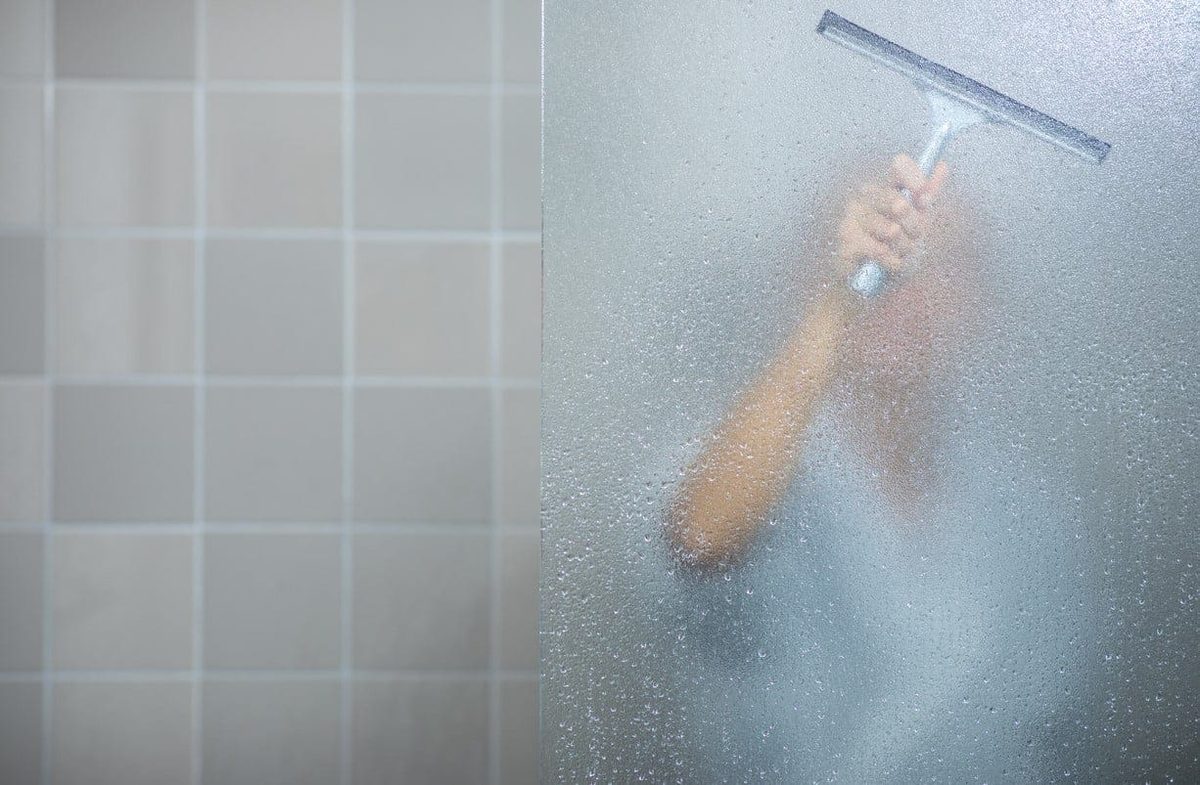
Key tool: A high-quality window squeegee.
Make it a habit to squeegee the glass walls after every single use. It takes ten seconds. It prevents water spots before they form. It stops soap scum from bonding to the surface. If you skip this step, you will spend twenty minutes scrubbing later.
For the floor, which lacks a curb to trap water, ensure your drainage is clear. Most walk-in showers use a linear drain. Check for hair or debris weekly. Clogged drains lead to standing water, which leads to mold and slippery hazards.
Weekly Deep Clean: The Vinegar and Baking Soda Method
Once a week, you need to hit the glass and fixtures with a stronger solution. Avoid harsh chemical cleaners if you have natural stone or delicate fixtures. Stick to simple, effective ingredients.
Materials needed:
– White distilled vinegar
– Baking soda
– Microfiber cloth
– Soft-bristle brush (for grout or textured tiles)
– Spray bottle
Step 1: The Paste
Make a thick paste using baking soda and a little water. Apply this to any stubborn stains on the tile grout or around the drain. Let it sit for five minutes. The baking soda acts as a mild abrasive that lifts dirt without scratching surfaces.
Step 2: The Spray
Mix equal parts white vinegar and water in a spray bottle. Spray this generously over the glass panels and chrome fixtures. The acetic acid in the vinegar breaks down hard water stains and soap residue.
Step 3: Scrub and Wipe
Use the soft-bristle brush to gently agitate the grout lines and corners. Use the microfiber cloth to wipe down the glass. Work from the top down. Gravity is your friend here. If you start at the bottom, you will just drip
The Reality of the Walk-In Shower
Let’s be honest. Walk-in showers are everywhere for a reason. They work. But before you tear out the tub, you need to know what you’re actually getting into. It’s not just about looks. It’s about physics and maintenance.
Why Mobility Matters More Than Style
The main draw isn’t the luxury. It’s the lack of a barrier. No curb. No step to trip over. If you are aging in place or just hate catching your toe on a high threshold, this is the fix. The floor is level.
But here is the catch. Level means water wants to go where you are standing. You cannot just tile it and pray. You need a proper slope toward the drain. And you need an anti-slip finish. Wet porcelain is a skating rink. Ignore the slope angle and you will have a flood.
Cleaning Is Not Optional
A frameless glass shower looks stunning in magazines. In real life? It is a fingerprint magnet. Water spots. Soap scum. If you do not clean it daily, it looks dirty within hours.
You want to keep it looking new? You have to work for it. The drain grate is the first line of defense. Hair and soap gunk clog it fast. Once that clogs, your nice, open floor becomes a pool.
DIY Cleaning Hacks That Actually Work
Stop buying expensive, toxic sprays. The best cleaners are usually in your kitchen.
Clearing the Drain Grate
Mix one tablespoon of dish soap into a glass of white vinegar. Put it in a spray bottle. Shake it up. Spray the drain grate and the surrounding floor. Let it sit. A few hours is best. Rinse with hot water.
This cuts through the grease. It dissolves the hard water stains. One pass. Done.
Fighting Limescale with Soda
If the dish soap didn’t kill the calcium deposits, you need more power. Half a glass of white vinegar into a glass of washing soda (crystals de soude). Add a liter of hot water. Pour it down the drain.
Wait. Just wait.
You can also use this mix on the floor tiles. Scrub with a stiff brush. Let it sit for two hours. Rinse. The floor will stop looking dull.
Whitening Grout Without Bleach
Gray grout ruins the whole aesthetic. Don’t bleach it. You’ll damage the sealant over time. Try toothpaste.
Grab an old toothbrush. Apply a dollop of white toothpaste. Scrub the grout lines. Rinse. It works surprisingly well for light stains.
When Toothpaste Fails
If the grout is really bad, you need a stronger cocktail.
In a large basin:
– 2 glasses of white vinegar
– 2 glasses of ammonia
– 2 glasses of baking soda
Mix carefully. Ammonia and vinegar don’t mix well chemically in a closed space, but for scrubbing grout, the reaction lifts the dirt. Apply the paste. Scrub hard. The grout will lighten up. Rinse thoroughly.
Or, try black soap with lemon juice. Scrub. The acidity cuts the grime. The oil in the soap conditions the grout. It’s an old trick for a reason.
The Bicarbonate Base
Baking soda is cheap. It works. Sprinkle it generously over the wet floor.
Spray a mix of 250ml vinegar in 1 liter of warm water over the soda. It will fizz. That’s normal. Let it bubble for a few minutes. Scrub with a broom or stiff brush. Rinse.
Want disinfection? Add five drops of tea tree essential oil to the spray bottle. It smells strong at first. The smell fades as it dries. The antimicrobial properties stay.
The Vinegar Spray for Daily Maintenance
For daily water spots, heat white vinegar in the microwave. Put it in a spray bottle. Mist the glass and walls. Wipe down.
The heat helps the acetic acid break down the mineral deposits faster. You won’t need to scrub hard. Just wipe.
The Trade-Off
You get the space. You get the modern look. But you trade the bathtub for a daily cleaning routine. If you hate cleaning, think twice. The shower is easy to enter. It’s harder to keep pristine.
The drain is the heart of the system. If you ignore the hair trap, everything else fails. Keep the grate clear. Keep the slope correct. And don’t forget the anti-slip coating.
Safety first. Aesthetics second. Maintenance forever.