The cyclical nature of design means what was once outdated often becomes the next big thing. In kitchen design, several vintage features are experiencing a resurgence, driven by a shift away from sterile, modern aesthetics toward warmth, authenticity, and individuality. Experts predict these retro elements will dominate kitchens in the coming year, reflecting a broader trend toward lived-in spaces over showroom perfection.
The Revival of Vintage Work Tables
Interior designer Lindsey Jamison notes that vintage work tables are set to replace polished kitchen islands. These aren’t new; the idea dates back to the 17th century. Their appeal lies in creating a layered, “lived-in” feel that contrasts sharply with the dominance of bright white, modern farmhouse kitchens. After years of minimalist design, homeowners now crave warmth and character, which these tables deliver.
Wallpaper’s Bold Return
Wallpapered kitchens, popular in the 1940s and 50s, are back. Designer Laura Medicus explains this resurgence is driven by a desire for warmth and visual interest after years of all-white kitchens. The beauty of wallpaper is its versatility: go bold or subtle, or test with a temporary application. This offers an accessible way to inject color and personality into the kitchen.
Cabinetry Beyond White: Embracing Bold Choices
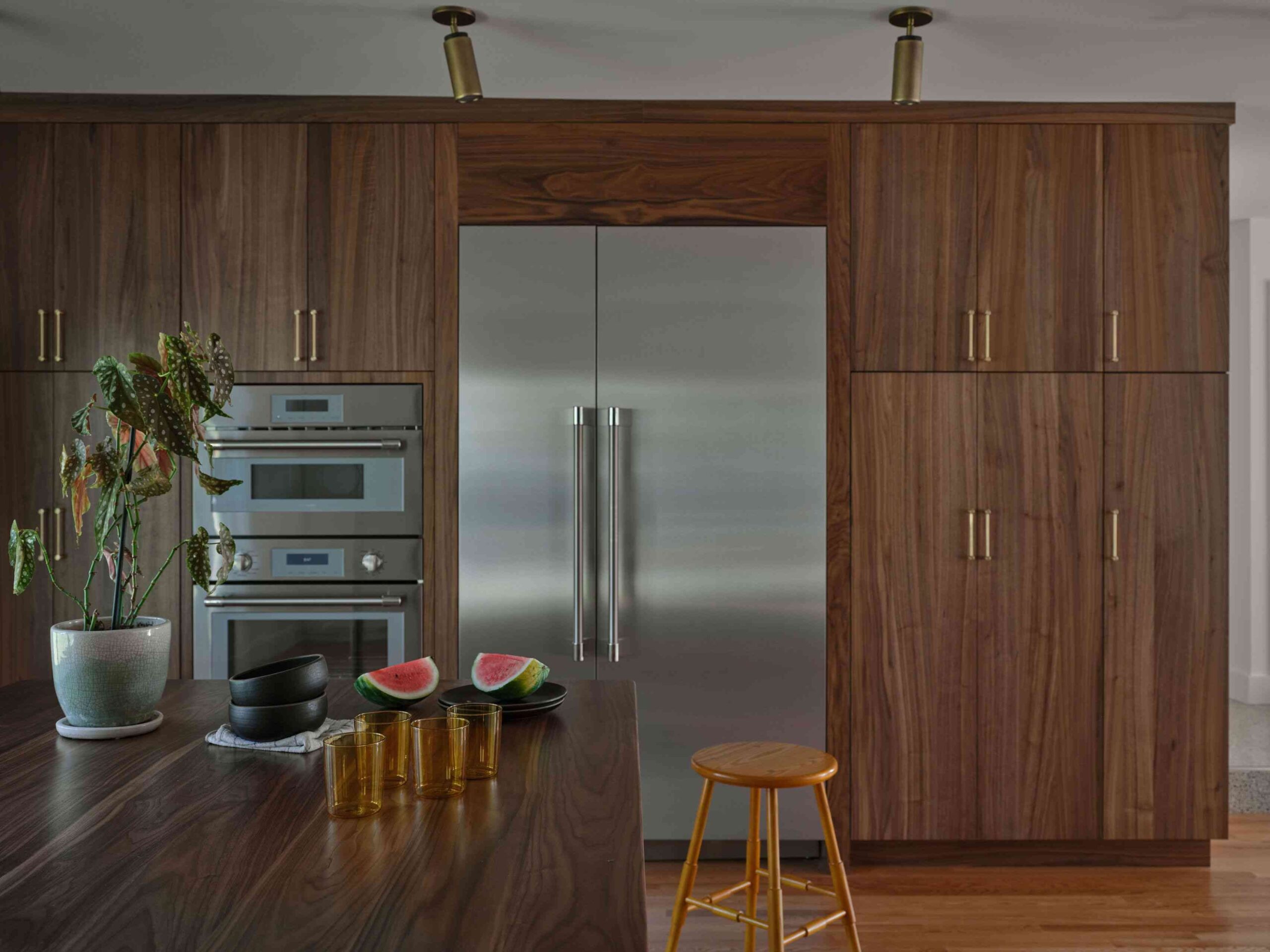
The shift away from all-white kitchens extends to cabinetry. Medicus observes growing interest in darker woods and unusual colors, reflecting a desire for individuality in homes. Whether stained oak, walnut, or painted navy, burgundy, or black, striking cabinet colors make a statement. This is a response to the monotony of cookie-cutter kitchens that have dominated recent trends.
Cozy Color Palettes: A Move Toward Nostalgia
Kitchen expert Paul Dore highlights a move towards warmer, more familiar color palettes. Think creamy cabinets, deeper greens, muted blues, and softer contrasts in metals and worktops. This contrasts sharply with the starkness of all-white kitchens. These palettes are also more forgiving in high-traffic spaces and feel classic rather than retro when executed well. The trend reflects a broader design ethos that values longevity over fleeting trends.
Statement Edges and Classic Marbling: Details Matter
Dore notes the return of decorative edge profiles on countertops—ogee, bevels, and fuller shapes—after years of ultra-thin, sharp edges. These details add craftsmanship and a bespoke feel without making the kitchen feel dated. Similarly, classic marbling is making a comeback, with dramatic veining and high contrast patterns. This is a nod to the glamour of past decades, bringing personality and a “wow factor” to kitchens.
In conclusion, the return of these retro kitchen elements isn’t just about aesthetics. It’s a rejection of sterile, short-lived trends in favor of warmth, authenticity, and individuality. These design choices reflect a growing desire for kitchens that feel lived-in, timeless, and uniquely personal.