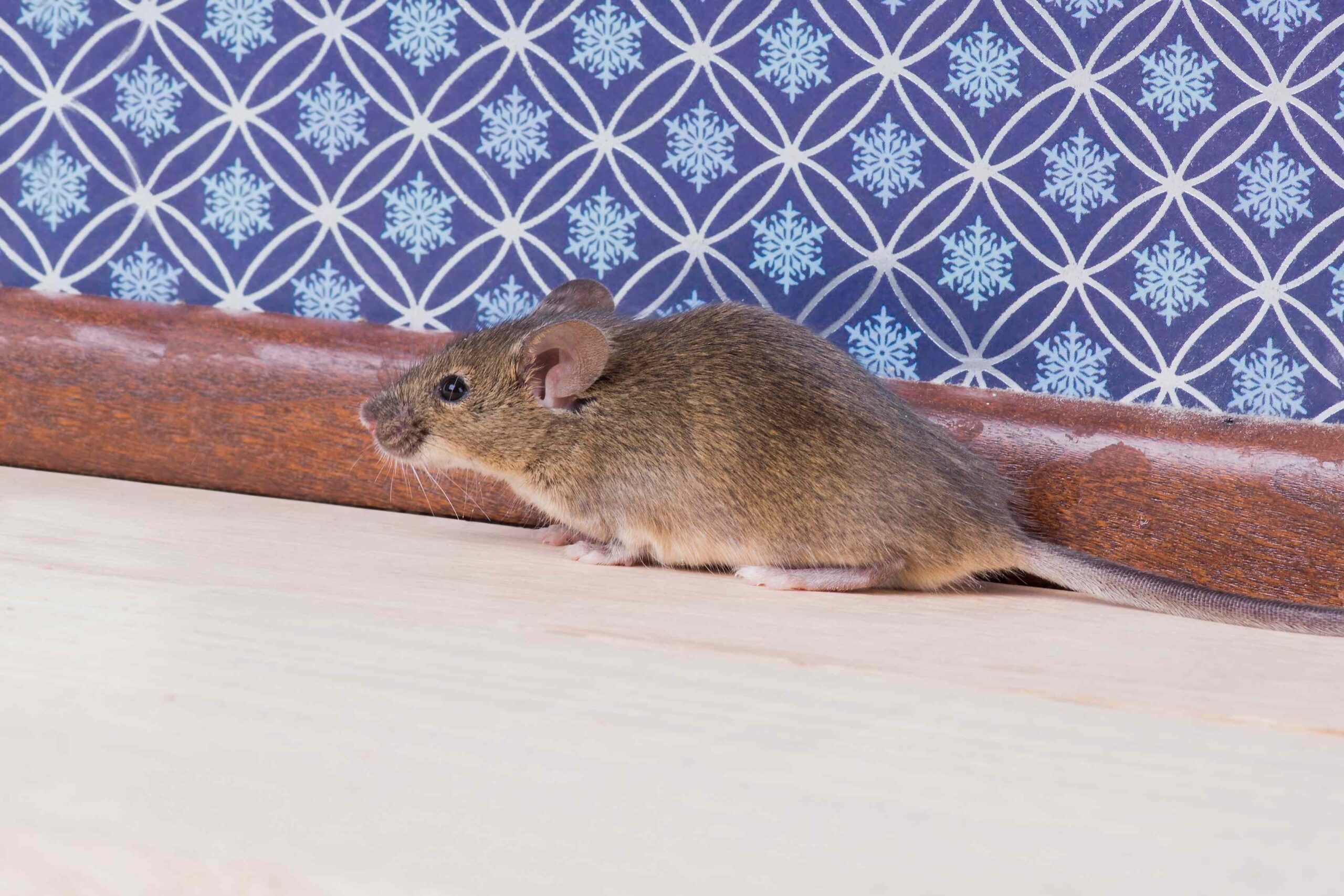
As temperatures drop, rodents seek warmth and shelter – often inside homes. Bedrooms aren’t immune, and an unexpected mouse infestation can quickly turn a peaceful retreat into a source of stress. Fortunately, pest control professionals offer practical, natural solutions to keep these unwanted guests out this winter.
The Science of Mouse Deterrence
Mice rely heavily on their senses of smell and hearing. Leveraging this knowledge is key to prevention.
Peppermint Oil as a Natural Repellent: Mice possess a highly developed olfactory system, making strong scents like peppermint oil an effective deterrent. Tony King, founder of Pied Piper Pest Control, recommends saturating cotton balls with peppermint oil and placing them near entry points such as windows and doors. Similar effects can be achieved with cloves or cedar blocks, though consistency is vital; a single application won’t last the season.
Ultrasonic Repellents: These devices emit high-frequency sounds undetectable to humans but disruptive to mice, offering another layer of defense.
Blocking Access: The First Line of Defense
Prevention begins with securing potential entry points. Mice are surprisingly agile and can squeeze through incredibly small gaps.
Seal Entry Points Thoroughly: Allan Bossel, operations expert at Bed Bug Exterminator, emphasizes that mice often enter from other areas (like kitchens) and can exploit even the smallest openings: under doors, around pipes, and along baseboards. Caulk is standard, but steel wool combined with caulk or foam provides superior protection. Mice can’t chew through metal, making it a robust barrier.
Keep Doors and Windows Secure: Ensure doors and windows fit tightly and remain closed, especially during colder months. Mice are capable climbers and will exploit any opening.
Eliminate Attractants: Food and Nesting Materials
Mice are opportunistic; removing potential food sources and nesting materials is crucial.
Food-Free Zones: Mice are drawn to food, so storing snacks in airtight containers and regularly cleaning floors and nightstands is essential. Even residual crumbs can attract them. If possible, avoid eating in the bedroom entirely.
Declutter and Store Linens Properly: Mice seek soft materials for nesting. Avoid leaving piles of fabric or paper on the floor; instead, store them in sealed plastic containers. Regularly disturb closets and drawers to discourage nesting.
Why This Matters
Mouse infestations aren’t just about discomfort; they pose health risks (disease transmission) and can cause structural damage by chewing through wiring or building materials. While traps and poisons exist, these methods aren’t ideal for bedrooms, where safety is paramount. These natural solutions offer a preventative approach that minimizes chemical exposure and ensures a peaceful sleep environment.
Ultimately, proactive prevention is the most effective strategy. By understanding mouse behavior and employing these simple tactics, you can significantly reduce the risk of an unwanted winter invasion.