It’s spring. The sun is shining. You look over the fence and see a chaotic, buzzing war zone of Asian hornets hovering over your neighbor’s compost pile. You look back at your own garden. Silence. Peace.
It isn’t luck. It’s not the feng shui of your shed. And it’s definitely not because your grass is greener.
The difference is one thing: access. Specifically, what you leave sitting out in the open. These predators are on the hunt. They scanning your perimeter for easy calories and hydration. If you serve a buffet, they will eat. If you lock the doors, they will move on.
Here’s how to make your garden unpleasant for these invasive species.
Sweet Trap: How Fallen Fruit Attracts Colonies
Asian Hornets are addicted to sugar. They need carbohydrates to strengthen their flight muscles, especially when the colony grows in the spring and early summer.
If you have fruit trees, you have a potential target. When peaches, plums or pears become too ripe and fall to the ground, they start to ferment. The sun accelerates this process. The scent is sweet, heavy and traveling. It acts like a dinner bell for scout hornets looking for a new nesting site or food source.
Leaving rotting fruit on the lawn provides a welcome mat for the entire local swarm.
The fix is manual and immediate. Collect the fallen fruit every day. Don’t let it accumulate on the grass. If you have an overhanging tree, consider using netting during the ripening season. Cut the supply chain before it becomes a banquet.
Hidden sugar: Your trash can is a beacon
The danger doesn’t stop at the tree line. It will follow you to the terrace.
Spring means eating outside. More food means more waste. A forgotten lemonade ring on the table. Glazed leftover meat with honey. A compost bin with a lid that doesn’t close tightly. To a hornet, these aren’t waste items. They are energy-rich fuel sources.
Scout hornets will investigate any strong odor. If your bins smell like rotting fruit or sugary marinades, mark the location. Once they mark it, they recruit others.
Seal your waste. Use containers with tight lids. Rinse recyclables containing sugary drinks. Clean the patio tables immediately after eating. Do not leave drinks overnight. Starve scouts for signals that tell them your garden is a viable resource.
Standing water: hydration station
Hornets need water. They use it for hydration, but also mix with wood pulp to build their nest.
Many gardeners make the mistake of leaving saucers under potted plants. When you water the plants, the excess water drains into these trays. The sun heats the water. It sits there, stagnant, warm and inviting.
This is a premium hydration station.
Dry out the trays. After watering, dump the excess water from under all pots. If the plant needs constant moisture, use another method. Fill the plate with gravel or clay pebbles. The soil can wick up the water the plant needs through capillary action, but the surface remains dry. No puddle means no drink for the hornet.
Also cover the rain barrels. Empty water cans when not in use. Remove any standing water from the garden.
The Scent Barrier: Using Nature to Repel
Hornets rely heavily on their sense of smell to find food and navigate. You can disrupt this sense with strong, natural scents that they don’t like.
Plants such as peppermint, lavender, and lemon verbena produce aromatic oils that are overpowering to these insects. Planting them in pots on your patio, near windows or along a fence line creates a “olfactory wall.” It doesn’t kill them, but it confuses them. It masks the sweet smells of fruits and garbage.
If plants aren’t enough, you can make your own repellant. The acidity of white vinegar is particularly effective with their scent traces.
Here’s a simple recipe for spraying window sills, railings and patio furniture:
- 500 ml of warm water
- 500 ml of white vinegar
- 15 drops of peppermint essential oil (or clove oil)
Spray this mixture in the morning or late evening. The sharp scent masks the smells of the food and drives the Hornets away. It’s a cheap, non-toxic barrier that keeps them from settling in.
You can’t get hornets out of your area, but you can make your particular piece of land too difficult, too dry, and too smelly to be worth the effort. They seek the path of least resistance. Don’t be that path.
Why DIY Traps Backfire on Asian Hornets
It is easy to panic when you see the first dark winged visitor. The instinct is to cut up plastic bottles, fill them with beer or syrup, and hang them from tree branches. Do not do this. These homemade traps are a major mistake.
The sweet scent acts like a beacon. It does not just lure the single wasp you saw. It draws in workers from colonies kilometers away. Instead of cleaning up the area, you are creating a feeding station. You end up with a dense cluster of aggressive hornets right where you are trying to relax. The problem gets worse, not better.
This approach also kills beneficial insects. The sugary bait does not discriminate. Bees, butterflies, and hoverflies get stuck in the goo. These pollinators are essential for your garden’s ecosystem. Wiping them out for a pest that is already invading your space is a net loss for biodiversity. Stick to targeted, non-lethal deterrents instead.
Spring Inspection: Catch the Founder Early
Prevention is the only real defense. Start looking in early spring when temperatures rise. The founding queens emerge from hibernation. They are hunting for a place to start their first nest. These initial structures are small and hidden.
Check the eaves of your roof. Look inside unused garden sheds. Inspect the inside of mailbox slots. Dense hedges are also common spots. If you see a small, grayish ball of paper pulp—about the size of a ping-pong ball or a tennis ball—you have found a primary nest. It will have a small hole at the bottom.
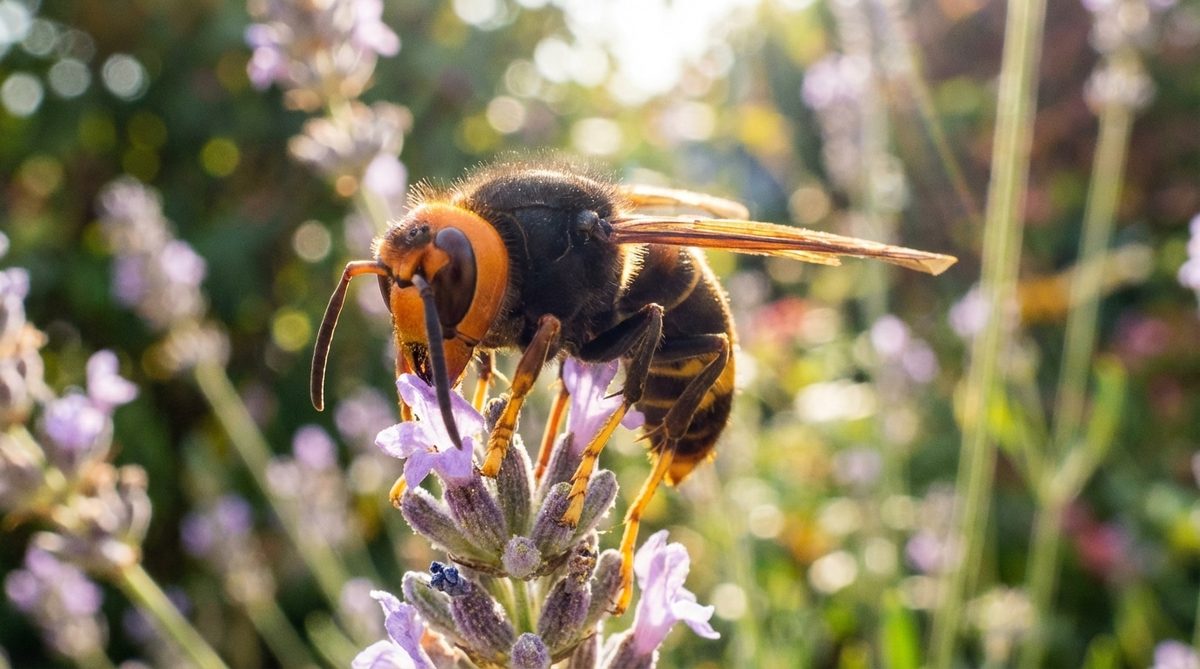
If you see a large, dark hornet with yellow legs circling a specific spot repeatedly, she is likely building a home. Act now. Seal cracks in your attic. Keep sheds well-ventilated. Blocking access points now stops the colony before it becomes a massive threat later.
When to Call the Pros: Safety First
If you miss the early signs, a secondary nest may form higher up in a tree or under a roof overhang. Do not try to remove it yourself.
Asian hornets are fiercely protective. Any vibration or movement within five meters can trigger a massive attack. Trying to douse the nest with water, burn it, or knock it down with a pole is dangerous. You risk multiple stings. These are not the wasps of summer picnics. These are aggressive invaders.
The only safe move is to retreat. Contact a professional pest control company. In some areas, firefighters may assist if the threat is immediate. Experts use protective suits and telescopic equipment to neutralize the nest precisely. Reporting the nest also helps local tracking campaigns. This protects your neighbors and stops the spread.
Building a Lasting Defense
Keep your outdoor spaces calm and clear. Remove sources of standing water and exposed sugar. Use menthol-based sprays or specific plants to repel them naturally. Avoid the bottle traps that attract more pests and kill good insects.
If a nest is established, delegate the removal to experts. This simple shift in strategy creates a effective shield around your home. It lets you enjoy your garden without fear. The season is changing. Are you ready to adjust your routine for a peaceful summer?