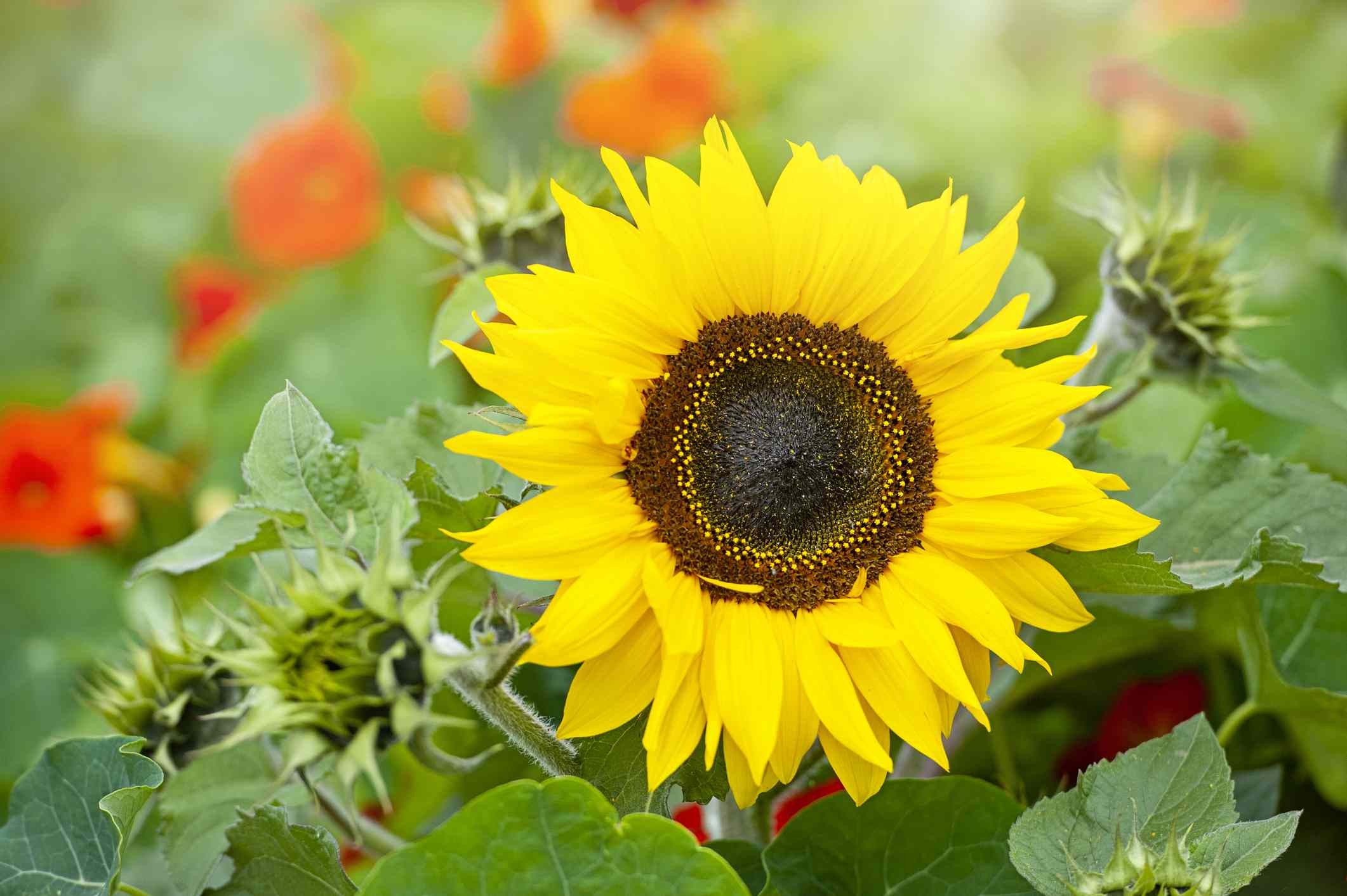
Sunflowers (Helianthus annuus ) are more than just cheerful garden accents; they are resilient annuals that reward gardeners with vibrant blooms and striking architectural presence. Because they are annuals, they complete their life cycle in a single growing season and must be replanted each year. However, with proper timing and technique, you can ensure a continuous display of color from early summer through late autumn.
The secret to a successful sunflower garden lies in understanding soil temperatures, spacing requirements, and the specific needs of different varieties. Whether you are aiming for towering giants or compact container plants, the following guidelines will help you cultivate a thriving display.
Timing is Everything: Soil Temperature and Frost
The most critical factor in sunflower success is soil temperature. Sunflowers are warm-season crops and will not germinate effectively in cold, damp earth.
- Ideal Conditions: Plant seeds when the soil temperature reaches 55°F to 60°F (13°C–15°C).
- Frost Safety: Ensure all danger of frost has passed. A reliable rule of thumb is to plant two to three weeks after your area’s last expected frost date.
- Regional Variations:
- Northern U.S.: Planting typically occurs from April through mid-June.
- Southern U.S.: Seeds can be sown as early as March or April.
- Late Season Planting: In warmer regions, you can plant as late as August. In colder northern climates, fast-growing varieties can still be planted in July to ensure they bloom before the first fall frost.
Pro Tip: You can start seeds indoors in late winter using biodegradable pots and grow lights. However, you must harden off these seedlings—gradually exposing them to outdoor conditions—before transplanting them into the garden to prevent shock.
Step-by-Step Planting Guide
Sunflowers have large seeds, making them easy to direct-sow. Follow these steps for optimal germination and growth:
- Site Selection: Choose a location with full sun (at least 8 hours of direct sunlight daily) and well-drained, slightly acidic soil. Poor drainage can lead to root rot.
- Soil Preparation: Work organic compost into the soil a few weeks before planting to improve nutrient content and structure.
- Sowing Depth: Plant seeds 1 inch deep. Planting too deep can cause seeds to rot before they sprout.
- Spacing: Proper spacing prevents overcrowding and competition for resources.
- Under 5 feet tall: Space plants at least 6 inches apart.
- 5 to 8 feet tall: Space plants 12 to 15 inches apart.
- Giant varieties (over 8 feet): Space plants at least 2 feet apart.
- Row Spacing: Keep rows at least 2 feet apart for adequate air circulation.
- Watering: Keep soil moist for the first week to support germination, which typically takes 1 to 14 days. Once established, sunflowers require about 1 inch of water per week.
Boosting Germination: The Soaking Method
To give your seeds a head start, consider soaking them for 12 to 14 hours before planting. This process softens the hard outer shell of the seed, potentially speeding up germination and improving emergence rates.
Choosing the Right Variety for Your Space
Sunflowers come in a wide range of sizes and colors, allowing you to tailor your garden to your available space and aesthetic preferences.
Compact and Dwarf Varieties
Ideal for small gardens, borders, window boxes, and containers.
- Elf: The shortest variety, maxing out at 16 inches. Perfect for small planters.
- Teddy Bear: A compact dwarf with double orange petals and a tiny green center. Great for limited spaces.
Semi-Dwarf Varieties
These offer a balance of height and manageability, growing between 3 and 8 feet.
- Chocolate: Features deep reddish-brown petals and dark centers, adding dramatic contrast to brighter blooms. Grows 4–5 feet tall.
- Italian White: Offers pale, cream-colored petals that stand out against dark brown seed heads. Grows 4–6 feet tall, making it versatile for mixed flower gardens.
Giant Varieties
For those with ample space and a desire for dramatic impact, giant sunflowers can reach heights of 8 to 15 feet.
- American Giant: Can grow up to 14 feet tall with flower heads measuring up to 1 foot across.
- Russian Mammoth: Reaches 12 feet tall with huge golden flowers. Excellent for creating a natural privacy screen or backdrop.
Extending the Season: Succession Planting
To enjoy blooms throughout the summer and into early fall, practice succession planting. Sow new seeds every one to two weeks after the initial planting. This staggered approach ensures that as one batch finishes blooming, another is just beginning, keeping your garden vibrant for months.
Common Questions
Do sunflowers grow back every year?
Most common garden sunflowers are annuals, meaning they die back after flowering. However, they often self-seed, dropping seeds that can sprout the following year. There are also perennial sunflower species (Helianthus spp.) that return year after year once established.
How late can I plant?
In warm climates, planting can continue into August. In colder zones, late July is usually the cutoff for fast-growing varieties to ensure they mature before frost.
By aligning your planting schedule with soil temperatures, choosing varieties suited to your space, and employing succession planting, you can transform your garden into a lasting display of sunflower beauty.