



Your living room centerpiece dictates the vibe of your home. It’s not just furniture. It’s where you read, nap, and watch movies. Getting it wrong costs money. Getting it right saves your sanity.
Most people stare at a catalog and guess. That’s a mistake. You need to look past the fabric swatch and the price tag. You need to check the bones of the piece. A sofa is a long-term investment. Treat it like one.
Here is what you actually need to check before you sign the receipt.
The Frame: Why It Matters
The frame is the skeleton. If that fails, everything else fails. You want solid wood. Hardwood is best. Oak, maple, or beech. Avoid particle board. It swells with humidity. It crumbles over time.
Check the corners. They should be joined with dowels, screws, or glue. Stapled joints are weak. They pop open after a few years of jumping and sitting. Lift the sofa. If you can lift one corner easily, the frame is likely lightweight and hollow. A heavy sofa usually means a solid structure.
Cushions: Firmness vs. Feel
Too soft, and you sink in. Too hard, and you hurt. You need a middle ground. Look for high-density foam. It holds its shape. Cheap foam flattens after a few months. It looks saggy. It feels cheap.
Some brands mix foam with down. That feels luxurious. It requires fluffing. Daily fluffing. If you’re lazy, stick to foam. Or foam with a polyester wrap. It’s easier to maintain.
Ask about the fill percentage. 100% down is soft but messy. 100% foam is supportive but firm. A blend gives you the best of both worlds.
Fabric Durability: The Rub Test
How much abuse will this take? Kids? Dogs? Spilled wine? Your answer dictates the fabric.
- Leather: Easy to clean. Ages well. But it scratches. And it’s expensive.
- Velvet: Soft touch. Shows every mark. Requires frequent cleaning.
- Microfiber: Durable. Stain-resistant. Good for families.
- Linen: Breathable. But it wrinkles easily. It stains fast.
Check the double rub count. This is a standard industry test. 15,000 rubs is light duty. 30,000 is medium. Over 50,000 is heavy duty. If you have pets, aim high.
Size: Measure Twice, Buy Once
Your room dimensions matter more than the sofa style. A massive sectional in a small room looks cluttered. It blocks traffic flow.
Measure your space. Leave at least 30 inches of walking space around the sofa. Account for doorways. Can the sofa fit through your front door? Your hallways? Your stair turns?
If you live in an apartment with narrow stairs, you might need a modular sofa. Or you might need to disassemble the pieces. Check the delivery policy. Some companies charge extra for white-glove delivery. That’s worth it if you have to navigate tight spaces.
The Seat Height and Depth
Standard seat height is 18
Decide who the sofa is really for first. Is it a daily family hub or a guest-ready stage? The answer dictates the footprint and the style. You cannot guess this one.
Matching Scale to Square Footage
A tight living room demands respect for the floor plan. Go for a corner unit or a minimalist frame. It clears sightlines and keeps traffic flowing. A sprawling great room allows for indulgence. Here, a large sectional or a statement piece anchors the space.
But don’t just look at width. Look at depth. And clearance.
If the room is small, every inch counts. A bulky traditional sofa will suffocate the space. It turns a cozy nook into a maze. Conversely, an oversized piece in a cavernous room looks lost. It creates awkward empty zones around the edges. Measure twice. Cut once.
Hidden Functions: Beds and Bins
Small apartments have a hidden problem. Storage. And sleeping space.
Standard sofas are decorative. Functional ones are tools. Consider a sleeper model. It solves the “where do guests sleep” panic. It also adds versatility to a studio layout. During the day, it is seating. At night, it becomes a bedroom.
Look for models with under-seat storage. You can tuck away extra linens, board games, or winter gear. It’s not just about aesthetics. It’s about reclaiming floor space.
A sofa should solve problems, not create them.
Why This Matters for DIYers
If you’re planning a renovation, your furniture choices impact everything. A large sofa might block a planned electrical outlet. A sleeper mechanism requires clearance at the foot. Measure before you buy. Always.
Which leads to the next step: fabric.


Matching Style and Color
So you’ve picked a sofa. Now, does it actually fit the room?
If your place is strictly modern, a velvet, tufted, Victorian-style armchair will look out of place. It’s not just about preference. It’s about visual cohesion.
Rustic? Go for distressed leather or heavy linen.
Classic? Think tailored silhouettes and deep colors.
Modern? Clean lines. Minimal hardware.
Don’t force it.
Then there’s the color. This is where most people mess up.
They pick a bright yellow couch because it looks great in a magazine. Six months later, they’re staring at it every day. It’s exhausting.
Stick to neutral tones for the big pieces. Grey. Cream. Beige.
Why?
Because these colors don’t age poorly. They don’t clash with the walls. And they act as a blank canvas for throw pillows and rugs. You can swap out accessories for pennies. Changing a sofa frame costs a fortune.
But what if your walls are already loud?
If your decor is already busy with patterns and bold art, go with a solid-colored sofa. It provides necessary visual relief. The eye needs a place to rest.
Conversely? If your room is sterile and plain, a patterned couch adds instant life. Think geometric prints. Subtle florals. Just don’t go full tropical print unless you want a vacation vibe that never ends.
Texture matters too.
A flat cotton sofa in a minimalist room feels… flat. Add a boucle fabric. Or a matte leather. The tactile difference changes how the space feels.
You’re not just buying a seat. You’re buying the anchor for the room’s aesthetic.
Get it wrong, and you’ll spend the next three years trying to accessorize over the mistake. Get it right, and the room holds together.

Choosing Between Fabric, Leather, and Alternatives
The upholstery you pick defines how the sofa feels, looks, and ages. It isn’t just aesthetic. It’s a functional decision that dictates your cleaning routine and budget for years.
Fabric Sofas: The Cozy Default
Fabric covers dominate the market. They are soft. They come in thousands of colors and patterns. You can find a weave that matches your mood, whether it’s a nubby tweed or a smooth linen blend.
There is a catch. Fabric is porous. It drinks up spills. Dust settles in the fibers. If you have pets, you are signing up for more vacuuming. But the comfort factor is usually higher. You don’t stick to the cushion in summer.
Genuine Leather: The Long-Term Investment
Leather offers a sleek, structured look. It ages well, developing a patina that many find appealing. Clean up is straightforward. Wipe it down. Done.
However, leather is not for everyone. In hot climates, it can feel sticky. Your skin adheres to the surface. It also costs significantly more than synthetic options. A genuine leather sofa is a heavy upfront investment. You need to condition it periodically to prevent cracking. Neglect it, and the surface dries out.
Faux Leather and Microfiber: The Middle Ground
Synthetic leather, often called PU leather, mimics the look of real hide at a fraction of the price. Microfiber is another popular choice. It is soft to the touch and generally stain-resistant.
Durability is the weak point here. Faux leather can peel or crack after a few years, especially if exposed to direct sunlight. It rarely ages as gracefully as genuine leather. Microfiber, while durable, can show wear patterns if you sit in the same spot every day.
How to Test Before You Buy
Don’t just look at the color swatch. Sit on the sample. Lie down on it.
- Check the weaves: Rub your hand across the fabric. Does it pill?
- Test the leather: Press your finger into the surface. Does it spring back quickly?
- Consider the lifestyle: Kids and pets? Stick to tight-weave fabrics or high-quality microfiber. Avoid light-colored linen or delicate silks.
There is no single “best” material. There is only what fits your daily life. A sleek leather chair in a low-traffic living room is sustainable. A rugged fabric sofa in a busy family room is practical. Know your habits before you commit.

The Truth About Cushion Comfort and Support
You think you’re buying a sofa. You’re actually buying a promise of comfort. And that promise is mostly held in the cushion fill.
Cushion fill dictates the experience. It’s not just about softness. It’s about support. And longevity.
Foam vs. Down: The Great Divide
Most people don’t realize how much the fill changes the sit.
Polyurethane foam is the standard. It’s firm. It holds its shape. If you like sitting upright, watching TV, or working on a laptop, foam is your friend. It doesn’t sink. It doesn’t let you slide into a slouch. Cheap foam? It collapses in six months. You get a lump in the middle. Don’t settle for low-density foam. Look for high-resilience (HR) foam. It costs more. It lasts longer.
Down or feather fills are different. They’re luxurious. They’re soft. You sink in. But they’re high maintenance. You have to fluff them daily. They lose their loft over time. And they can be allergenic. If you have pets or allergies, skip down. Go for a down-blend. Or synthetic alternatives like polyester fiberfill. It mimics the softness without the allergens.
Latex is the wild card. It’s bouncy. Responsive. Eco-friendly options exist. It’s expensive. But it doesn’t sag. If you want a cushion that feels alive under you, latex is worth the premium.
Support and Geometry: The Hidden Factors
Cushion fill is only half the battle.
The sofa frame and depth matter. Lumbar support isn’t a luxury. It’s a necessity. If your lower back hurts after an hour, the backrest is too flat or too deep.
Check the seat depth. Standard is around 20-22 inches. Deep sofas (24+ inches) require a throw pillow for back support. Shorter people will struggle. They’ll slide off the edge. Longer people will feel cramped.
Seat height is critical too. Too high, and your feet dangle. Blood flow cuts off. Too low, and getting up is a chore. Aim for 17-19 inches from the floor. Knees at 90 degrees. Feet flat on the floor. That’s the ergonomic sweet spot.
Removable Covers: Hygiene and Practicality
Here’s a feature that gets ignored until it’s too late.
Removable cushion covers.
Why does this matter?
Spills happen. Kids happen. Pets happen. Sweat happens.
If the cover is sewn shut, you’re stuck. You have to deep-clean the entire cushion. Which means taking it apart. Or hiring a professional cleaner. Expensive. Hassle.
Removable covers can be unzipped. Thrown in the wash. Tumble dried. It’s simple.
Check the care label. Can it go in the machine? Is it pre-shrunk? If the fabric shrinks after washing, the cover will be too tight. Or too loose. Both look bad.
Also, look for heavy-duty zippers. Cheap zippers break. Then your cushion fill escapes. Every. Single. Day.
**Bottom Line

You think you’re buying a sofa. You’re actually buying a skeleton.
Look at the frame. This is where most people skip the inspection. They sit down. They open a bag of chips. They call it a day. Don’t be that person.
The Skeleton Matters Most
Wood beats metal or plastic every time. Metal bends. Plastic cracks. Wood, if it’s hardwood and properly joined, holds up for decades. It absorbs shock. It doesn’t rattle after a year of use.
Check the joints. Look for screws. Look for glue. If it’s just nailed together, walk away. Nails work loose. Screws don’t.
Fabric Isn’t Just About Color
Everyone obsesses over the hue. Navy blue? Charcoal gray? Sure. But look at the weave.
Tight weave. Dense fabric. It resists abrasion. Cheap fabrics pill within months. They snag. They fade under sunlight. Leather? If you get it, make sure it’s full-grain. Bonded leather is just glue and scraps. It peels. It crumbles.
Stitching Tells the Truth
Run your fingers over the seams. Are they straight? Are they tight? Loose stitching means the whole thing will unravel when you actually use it. Double-stitched seams add strength. They prevent blowouts.
If the factory couldn’t be bothered with clean hems, they didn’t care about your comfort. They cared about the price tag.
The Hidden Cost of Cutting Corners
A sofa isn’t a one-time purchase. It’s a long-term investment.
Cheaper materials mean shorter lifespan. That means you’ll buy another one in three years. That’s not saving money. That’s wasting it.
Inspect the underside too. Lift the cushions. Look at the slats. Are they solid? Or are they flimsy wood that will snap under weight?
What to Look For
- Hardwood frames: Oak, maple, or birch.
- Joinery: Mortise and tenon or dowel joints.
- Stitching: Double-stitched, with no loose threads.
- Fabric weight: Heavier is usually better.
- Base: Solid wood or high-density foam.
Why It Feels Right vs. Why It Lasts
You might love how a sofa looks. You might love how it feels. But love doesn’t stop wear and tear. Durability does.
Check the warranty. Read the fine print. Does it cover structural integrity? Or just fabric defects?
The Bottom Line
Don’t buy on impulse. Sit on it. Jump on it. If it creaks, it’s done.
The frame is the backbone. The fabric is the skin. The stitching is the muscle.
If one part fails, the whole thing fails.
So check the skeleton.

Maintenance and Cleaning Practicality
Let’s be honest. You picked the color because it looked good in the store. But will you live with the mustard stain from Thanksgiving dinner?
For households with kids or pets, the fabric choice isn’t just aesthetic. It’s a survival strategy.
You need materials that resist stains. Look for performance fabrics or treated weaves. These allow you to wipe up spills before they set. If you spill wine, you have minutes, not hours, to act.
Some textiles simply repel dust and pet hair. They don’t cling. You won’t need to vacuum the sofa every single day. This matters when you’re tired after work.
Check the technical specs. Can the cover be removed?
Removable and washable covers are a non-negotiable for many buyers. They extend the life of the furniture significantly. You can toss the cover in the washing machine. You can leave the frame alone.
This feature keeps things hygienic over the long term. It also makes deep cleaning possible without hiring professionals.
Consider how often you’ll actually do this. A slipcover that is difficult to remove will just stay on the floor until it becomes a permanent pile of laundry. Choose designs with zippers or elastic that stay secure.
Think about the lifestyle you actually have. Not the one you wish you had.
If you bake often, grease is a problem. If you have a dog, fur is a problem. Match the fabric to your reality.
Structural Stability and Longevity
The cushioning determines how long the sofa feels new.
High-density foam resists sagging. Low-density foam flattens out in months. You want support that lasts.
Frame construction is equally important. Solid wood beats composite materials. Check the joints. Corner blocks should be glued and screwed. Not just stapled.
Weight capacity matters too. A sofa that holds 300 pounds comfortably will outlast one that groans at 200.
Look for warranty details. They often reveal how confident the manufacturer is in their build.

Money talks. Loudly.
When you walk into a showroom, prices float around like ghosts. One set asks for three times what another does. On paper, they might look similar. The fabric feels comparable. The frames seem solid enough. But the sticker shock hits hard.
That’s why you need a number. A hard cap.
Write it down. Put it in an envelope. Do not move past it until you find something that fits inside it. This isn’t about being cheap. It’s about control. Without a budget, you’re just browsing. With one, you’re hunting.
Quality vs. Price Tag
Here is the trap most people fall into.
They assume higher price equals better quality. It doesn’t always. Sometimes you are paying for a brand name. Sometimes for fancy marketing. Sometimes just because the salesperson has a quota to hit.
You need to look past the tag.
Check the density of the foam. Is it high-resilience? Does it bounce back? Or does it sag like wet toast? Look at the joinery. Is it screwed together or glued? Solid wood frames last decades. Particleboard frames last until the next move.
Performance matters more than price.
Find the sweet spot. Not the cheapest option—that’s usually a regret waiting to happen. Not the most expensive—that’s often just status. Aim for the middle ground where durability meets affordability.
Timing the Market
Patience pays off.
If you are in a rush, you pay a premium. If you can wait, you save cash.
Watch for seasonal shifts.
- End-of-season clearances.
- Holiday sales.
- Black Friday events.
Retailers dump inventory to make room for new stock. That is your window.
Sign up for newsletters from major retailers. Not all of them. Just a few. Turn on push notifications. When the alert pops up, you are ready to strike.
But be smart.
Just because it’s discounted doesn’t mean it’s right for you. A cheap sofa that breaks in six months is still expensive. A pricey sofa that lasts twenty years is a bargain.
Calculate the cost per use.
Divide the price by the number of years you expect it to last. Then multiply by daily use. Suddenly, that “expensive” chair looks different.
Where do you shop?
Online marketplaces. Factory outlets. Local furniture makers who cut out the middleman. Each has its own price structure.
Which option gives you the most value?
It depends on your timeline. And your tolerance for risk.
Do you risk buying sight-unseen? Or do you pay extra to touch and feel?
There is no right answer. Only the one that fits your wallet and your living room.
Keep digging. The best deals are rarely advertised. They are hidden in plain sight. Behind the clearance racks. In the back of the store. Online, when no one is looking.
Your budget is a tool. Wield it wisely.

Warranty and Delivery Realities
Long warranties aren’t just marketing fluff. They signal confidence. If a manufacturer backs a product for five years instead of one, they likely know it won’t fail on you. Check the terms before you buy. Look for what’s excluded. Labor costs? Shipping back to the factory? Some warranties cover parts only. Others cover everything. Read the fine print.
Delivery damage is common. Packaging matters. Ask how items are shipped. Are they palletized? Crated? Wrapped in foam? If it’s large furniture or appliances, inspect it immediately upon arrival. Note any dents or scratches on the delivery receipt. Sign only after inspection. Don’t wait until you unpack.
Installation varies by brand. Some include professional assembly. Others expect you to DIY. Check what’s included. Does it come with tools? Step-by-step manuals? Video guides? If you’re not handy, budget for a handyman. Or choose a brand that offers white-glove delivery and setup. Don’t assume. Confirm.
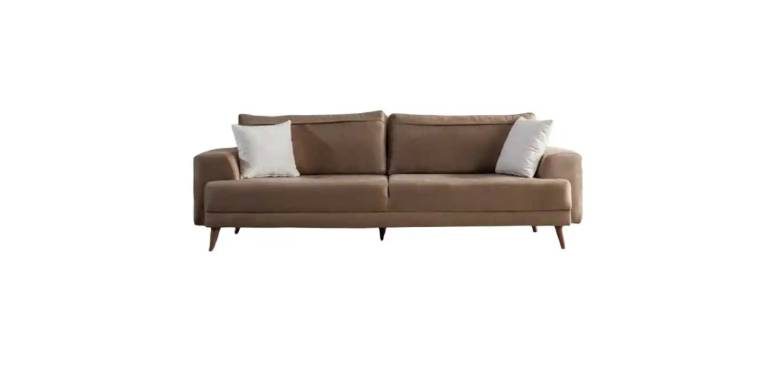

Choosing durable materials and cleaning care
You want furniture that survives your life. Not just looks good in a catalog.
Leather, velvet, linen, and microfiber are the heavy hitters for durability. Wood frames hold up better than particleboard. But stitching quality matters just as much as fabric. Cheap glue fails first.
For longevity, you need habits.
– Clean regularly.
– Use the right products.
– Blot spills immediately.
– Don’t let one person jump on all the cushions.
Fabric vs. leather: which is right for you?
Fabric offers softness and variety. You can match any decor style.
Leather looks luxurious and wipes clean in seconds. It’s not for everyone though. It sticks to skin in summer. It cracks if you ignore conditioner.
Your choice depends on how you live. And what you can afford to replace.
Cleaning protocols for longevity
Don’t use bleach. Ever.
Read the tag. Most fabrics have codes like W, S, or WS.
– Water-based cleaners for “W”.
– Solvent-based for “S”.
– Both for “WS”.
Vacuum weekly. Use the upholstery attachment. It pulls dust out of the weave before it becomes grit. Grit acts like sandpaper. It cuts fibers over time.
Best picks for families with kids
Mess is inevitable. You need a solution.
Look for performance fabrics. They repel liquids. Stains wipe away before they set. Faux leather is another option. It resists scratches and liquids better than real leather.
Removable covers are a game changer.
Toss them in the washer.
Put them back on.
Done.
Real life isn’t perfect. Spills happen. Kids are messy. But the right couch handles it. Without you losing your mind.
What’s your biggest struggle with furniture maintenance?


