The early 2000s real estate boom created a frenzy of activity. Investors chased deals in every conceivable neighborhood. They bought properties to rehab and flip. Then the economy crashed. Suddenly, those same owners couldn’t sell. They couldn’t even afford the basic upkeep. The result? A massive spike in foreclosures and vacant homes.
Now, those empty shells sit on your street. They aren’t just ugly. They are dangerous.
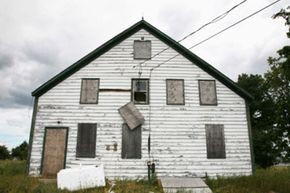
Abandoned houses drag down the entire block. Trash piles up. Grass grows into oblivion. Pests move in and spread to neighboring yards. It’s a public nuisance. But it’s also a safety risk. Empty homes become magnets for criminal activity. They offer cover. They offer access.
Who owns these places? And what can you do to force accountability?
The Scale of the Vacancy Crisis
The economic downturn left a trail of destruction. Foreclosure rates skyrocketed. In the third quarter of 2009 alone, 930,437 properties received foreclosure notices across the US. That was a 22 percent jump from the previous year. Think about that. One in every 136 houses in the country was facing repossession.
Cities are hit hardest. Detroit is a prime example. Thirty percent of its residential homes are vacant. That’s nearly a third of the city’s housing stock sitting empty. The mortgage crisis didn’t just hurt individual wallets. It hollowed out communities.
Why Crime Follows Vacancy
High crime rates don’t appear in a vacuum. They follow vacancy. Why?
Empty homes are invisible. Owners aren’t watching. Neighbors are hesitant to intervene. These properties become blind spots. Criminals know that break-ins go unnoticed longer. Drugs get stored. Guns are hidden. Squatters take up residence.
The decay of the building mirrors the decay of the neighborhood. It signals that no one cares. That signal attracts more crime. And more crime drives down property values further. It’s a vicious cycle.
What Can You Do?
You can’t ignore an abandoned house. It affects your safety. It affects your equity. You have options.
First, identify the owner. Check county records. Look for tax liens. If the bank owns it, contact them directly. If it’s an individual, send registered letters. Document everything.
Second, report code violations. Overgrown grass. Piles of debris. Broken windows. Local ordinances often have strict rules about maintenance. The city can fine the owner. They can force cleanup.
Third, engage the community. Form a neighborhood watch. Report suspicious activity. Your vigilance creates pressure. It forces action.
Abandoned homes are a symptom of a broken economy. But they are also a local problem. You have the power to address it. Start with the phone book. Start with the code enforcement office. Start with your neighbors.
The clock is ticking. Every day an empty home sits idle, the risk grows.
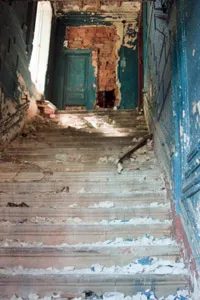

Mitt Romney’s childhood home in Detroit didn’t just vanish into thin air. In 2010, the city tore it down. That single demolition was part of a larger sweep where Detroit razed about 3,000 homes. The money didn’t come from thin air either. It came from a $20 million federal incentive within the economic stimulus package. The goal was to clear structures that had sat empty for years. Officials wanted the housing stock to match the shrinking population.
It sounds like progress. Three thousand homes gone. But the city estimates there are still about 90,000 abandoned homes and vacant lots left. That number is staggering. And it’s not just Detroit. Cities across the U.S. are watching foreclosed properties turn into crime hotspots.
The Link Between Vacancy and Vice
Why does an empty house invite crime? It’s not just about broken windows. It’s about who walks through them. Drug users often seek out abandoned homes to squat. Once they’re inside, the activity doesn’t stop at loitering.
According to the Association of Community Organizations for Reform Now (ACORN), crimes associated with drug use spike in these zones. We’re talking about burglary. Robbery. Rape. Even murder. These aren’t random spikes. They cluster around vacant properties.
There’s another layer to the danger. Transients looking for shelter sometimes die in these buildings. They build makeshift fires for warmth in drafty, unsafe structures. The risk isn’t just to the criminal elements. It’s to the entire neighborhood. One fire can spread. One overdose can ripple through a block.
Foreclosures and Crime Spikes
You might think crime follows poverty. But the data says otherwise. In Queens, New York, crime rates climbed dramatically between 2006 and 2008. The spike wasn’t in the poorest areas. It was in neighborhoods with heightened home foreclosure rates.
Look at the numbers from 2008. Neighborhoods with high foreclosure rates saw an average of 424 more murders, robberies, burglaries, and auto thefts than areas with lower foreclosure rates. That’s an increase of about 150 percent since 2006.
Wealth doesn’t seem to be a shield. You’d assume that foreclosed homes in rich neighborhoods would remain quiet. But that’s not always the case. The average income of people living in the area doesn’t seem to factor into the crime statistics. Both wealthy and poor neighborhoods experienced similar crime rate jumps when home vacancies increased.
What to Do About an Abandoned Home
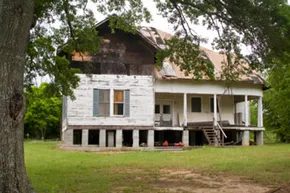

File a code violation complaint with your local code enforcement office. You can usually do this online or by phone. Search for the contact information for your city or county government.
A code enforcement officer will try to locate the property owner. If they cannot find the owner, the process slows down. The house stays abandoned. The government may eventually seize the property for back taxes.
If the home is in foreclosure, it takes time to identify the responsible bank. Even if you track down the responsible party, demolition is not guaranteed. An auction buyer decides the house’s fate.
Persistence matters. Keep records of all correspondence. Get neighbors involved. More voices increase your chances of action.
How to File a Code Violation Complaint
Start by contacting the code enforcement office in your city or county. Many jurisdictions allow you to file a code violation complaint online. Check the local government website for a complaint form. You can also call the office directly to file a report. Search online for “city name code enforcement” or “county code enforcement office.” This ensures you reach the correct department.
Once the complaint is filed, an officer investigates. They try to locate the property owner. If the owner cannot be found, the property remains neglected. The structure stays abandoned until the government takes action. In many cases, this means seizing the property for unpaid taxes.
What Happens During Foreclosure
An abandoned house in foreclosure adds complexity. It takes time to determine which bank or entity owns the property. Even if you identify the responsible party, demolition is not automatic. The property may be sold at auction.
The new owner decides the house’s fate. They might demolish it. They might renovate it. They might leave it empty. There is no guarantee the government will remove the eyesore.
Why Persistence Matters
The process of getting government action can be frustrating. It takes time. But persistence pays off. Keep detailed records of all correspondence. Save emails, letters, and phone call logs. Document dates and names.
Get neighbors involved. A single complaint might get lost. Multiple complaints from a neighborhood carry weight. More voices increase the chance of being heard. Protect your neighborhood by staying engaged.
“The more people that speak out, the better chance you’ll have of being heard and protecting your neighborhood.”
Safety First
Do not approach an abandoned house. These structures can be unstable. They may contain hazardous materials. They may be occupied by squatters. Stay safe and let professionals handle the investigation.
Next Steps
After filing a complaint, follow up regularly. Ask the code enforcement office for updates. If the process stalls, consider contacting local elected officials. They can pressure the code enforcement office to act faster.
Community involvement is key. Attend neighborhood meetings. Discuss the abandoned house. Create a shared document to track complaints and updates. This builds a stronger case for action.
The road to resolving an abandoned house is not quick. It requires patience. It requires documentation. It requires a united community. But the result is worth the effort. A safer neighborhood. A better-looking street. A restored sense of pride.
Keep pushing. Keep recording. Keep talking to neighbors. The process may be slow, but it moves forward. Eventually, the house stops being a blight. It becomes just another part of the neighborhood. Or it disappears