


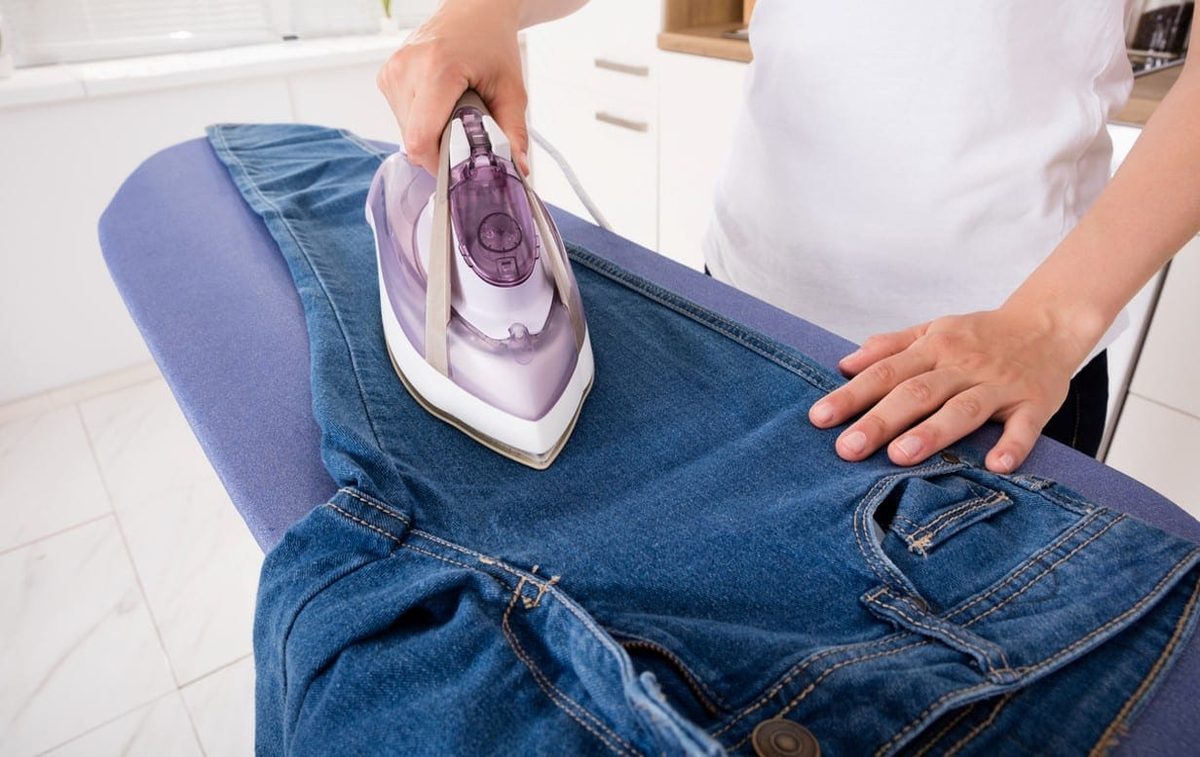
The iron comes out. The pants go on the board. And just like that, you’re looking at a disaster zone of fake creases. It’s a familiar frustration. Your favorite jeans look wrinkled instantly. Your canvas trousers seem to gather every fold in the room. You don’t want white hairs from the stress. You just want clean lines.
Here is the reality. Ironing isn’t magic. It’s physics. Heat. Moisture. Pressure. Get those three wrong and you’re fighting a losing battle.
I’ve spent years wrestling with stubborn denim and delicate chinos. The difference between a crisp pair of slacks and a wrinkled mess often comes down to technique. Not expensive gadgets. Not dry cleaning bills. Just smart, repeatable steps.
This guide breaks down seven practical tricks to master the art of ironing pants. No fluff. No corporate speak. Just results.
Prep is Half the Battle
Most people rush the prep. They throw the garment on the board and hit it with heat. Big mistake. Dry fabric resists heat. It scorch. It shine.
Start by checking the care label. Cotton? High heat. Wool? Low to medium. Synthetic blends? Low heat with a pressing cloth. Ignoring this step is how you ruin good clothes.
Next. Dampness is your friend. Dry ironing leaves wrinkles. Damp ironing releases them.
If your pants are already clean and dry. Mist them lightly with water. Use a spray bottle. Don’t soak them. Just damp. The goal is to relax the fibers. Water acts as a lubricant for the heat. It lets the fibers settle into place.
“Damp fabric responds to heat. Dry fabric fights it.”
Turn Them Inside Out
This one feels counterintuitive. You want to see the shine. But inside-out ironing protects the finish.
Shine happens when high heat melts synthetic fibers or flattens natural ones too much. It creates a glossy patch. Nobody wants that on their chinos or dress pants.
By turning the garment inside out. You protect the outer face. The heat still works on the fibers. But the surface stays matte. Natural.
This is especially true for dark denim. Dark jeans show every scorch mark. Every shiny spot. Inside-out ironing keeps the color rich and the texture consistent.
Use the Right Tool for the Job
You don’t need a fancy steam press. But you do need a good iron.
Look for an iron with a adjustable steam setting. Cordless irons are convenient but lack power. Corded irons hold heat better. That matters for thick fabrics.
For jeans. A heavy, traditional iron works best. The weight helps press out deep creases.
For dress pants. A lightweight iron with a pointed tip gives you control. You can navigate darts and seams without creating new bumps.
And never skip the ironing board. A flat table works in a pinch. But a board with a padded cover absorbs heat. It prevents shine. It gives you a consistent surface.
The Fold and Press Method
Don’t just wave the iron around. That’s for amateurs.
Use the fold method.
- Lay one leg of the pants flat on the board.
- Fold the
Check the Care Label First
Stop. Don’t just grab the iron. Look at the tag inside your garment. If it says no, don’t even start. But if it’s safe? Good. Now identify the fabric. Cotton? Synthetics? This matters. Wrong heat on the wrong material can melt fibers or scorch them instantly. Get the temperature right before you plug in.
Use an Ironing Board, Not Your Kitchen Table
Sure, you can drape pants over a dining chair. It’s quick. It’s lazy. And it leaves you with awkward creases.
Use an ironing board. Seriously. The shape supports the garment. You avoid new wrinkles forming under the weight of the iron. Put your pants flat. Back side up. Start there.
The Step-by-Step Order for Wrinkle Removal
You can’t just wave the iron around randomly. Follow a sequence.
- Pockets first. Turn them inside out. Lay them along the edge of the board. Press flat.
- The waistband. Focus on the stitching. It’s thick. It holds creases hard.
- Turn it right-side out. Slide the pants onto the narrow end of the board.
- The back legs. Pull gently at the seams to stretch the fabric taut. Iron down.
- The front legs. Same thing. Smooth, taut, press.
Now, tackle the legs. Fold the pants in half. Align the left leg perfectly over the right. Iron from the ankle up to the waist. One motion. Then flip and repeat on the other side.
Avoid That Shiny “Lusted” Look
Dark denim? Wool blends? Heavy fabrics? They shine. We call it “lustering” or “satinage.” It’s those ugly, reflective patches that scream “I ironed this wrong.”
Prevent it. Use a pressing cloth. Dampen a cotton cloth. Place it between the iron and the fabric. The steam penetrates without direct heat contact. If you’re using a steam iron, just hit the steam button harder. But the cloth is safer. It protects the fibers.
Pro Tips for Jeans
Jeans are tough. They need more than a quick pass. Start with pockets, then waist, then legs. Got stubborn folds? Grab a spray bottle. Fill it with tap water. Mist the wrinkles lightly. Don’t soak them. Just dampen. Press again. The water helps relax the denim fibers.
If you have a steam generator iron, use it. The constant, powerful burst of steam handles thick denim like nothing else. It’s faster. It’s cleaner.
Handling Pleated Trousers
Pleats are tricky. You want them crisp, not crushed.
Iron the pants inside-out first. Turn them right-side out. Now, take the tip of your iron. Press directly on the pleat line. Don’t drag the iron across it. Press down firmly to set the fold. This keeps the structure intact.
Maintain Your Iron
A dirty iron ruins good clothes. Limescale buildup is the enemy. It leaves white streaks on dark pants. It clogs the steam vents.
Descale it. Use a commercial descaler or white vinegar. Mix water and vinegar in the tank. Steam it out for a few minutes. Rinse with clear water. Dry it.
For the soleplate? Rub it with a cloth soaked in lemon juice and salt. It removes burnt-on residue. Keeps the surface smooth. A clean iron means clean clothes.
The board is out. The iron is clean. The pants are ready. Just remember: if the fabric feels hot to the touch, it’s too hot. Step back. Adjust. Wait.


