Middle school is looming. Or maybe your kid just turned nine and suddenly wants a room that looks like a spaceship. Whatever the trigger—a new sibling, a milestone, or just a sudden burst of independence—teens are obsessed with their personal space. This is your chance to hand over the reins, within reason.
Let your child know you support their vision. You might be surprised that even the most independent pre-teen will eventually come to you for advice and funding. The key is agreeing on the big-ticket items first.
Which furnishings deserve the budget?
Teens are brand-conscious, but they don’t necessarily want the sleek, high-end aesthetic adults crave. They want fun. Funky. Free-spirited. Even the kid who loves luxury usually wants a more unrestrained version of traditional styles.
So, where do you spend the money?
Focus on the essentials: a sturdy desk, a comfortable bed, and durable window treatments. Buy the best quality you can afford for these “real” furnishings. They last longer and handle the wear and tear of growing years better than cheap knock-offs.
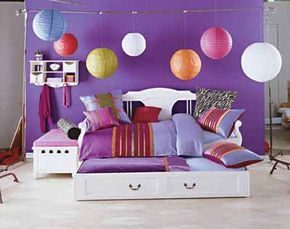
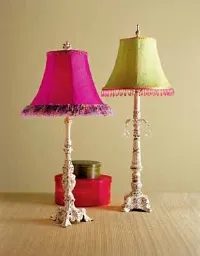
Then, fill the gaps with low-cost novelties. Think beanbag chairs in jellybean colors. Funky lamps that cast weird shadows. Dramatically colored bedding that you won’t mind tossing when the mood shifts. These items are cheap to replace and easy to swap out when tastes evolve.
How to pick paint without ruining the room
Painted walls are the most practical choice for this age group. They are fresh, contemporary, and, crucially, the least expensive way to make a massive change. But don’t just grab the darkest blue on the fan.
Paint looks significantly darker and more vivid on four walls than it does in a tiny paint chip.
Professional designers have a simple rule: choose a color two or three steps lighter than your favorite chip. Why? Because walls swallow light. What looks subtle on the card will look intense on the wall.
Still, your kid needs to feel in control. Here is the workaround:
- Buy the smallest containers of your top color choices.
- Have your child paint a three-foot square on one wall with each color.
- Let them live with it for a day.
- Pick the winner.
There is one exception. If your child has already selected a specific fabric or bedding pattern, coordinate the paint with the lightest color in that fabric. This ensures the room feels cohesive rather than chaotic.
The process isn’t about perfection. It’s about letting them experiment. And when they outgrow the neon green walls in three years, you’ll have saved money and avoided a screaming match.
The Psychology of the Teen Bedroom Makeover
It feels like a lot to ask, but kids are essentially testing out their own identities when they tackle a room redo. They’re trying on self-concepts like jackets. They might outgrow them quickly. So, patience isn’t just a virtue here. It’s a necessity.
Your job isn’t to take over. It’s to prevent the impulsive choices they’ll likely regret by Tuesday. Avoid turning the process into a power struggle. Instead, treat it like a client meeting. You’re the interior designer. They’re the client with the budget and the vision.
Here is the trick that actually works.
Pick a few options. Not ten. Not twenty. Just a handful. Then, take a large piece of white poster board. Tape the fabric swatches up. Add the paint chips. Stick in photos of the window treatments you’re considering. Lay out the accessories.
Now they can see it all at once.
No more guessing. No more “what if we mixed this with that?” confusion. It’s visual data. If you find it hard to organize their chaotic preferences into something coherent, keep this in mind: preteens and teens generally want one of two things. Either a dramatic, high-impact space. Or a room that looks exactly like a minimalist studio apartment.
Storage Solves Everything
If you have extra cash or just a knack for DIY, spend it on storage.
Not just any storage. The kind that actually gets used.
Most parents forget this part. They buy pretty boxes that sit on the floor and collect dust. You need a mix of open display and hidden compartments. Open shelves for the trophies, the books, the things they want to show off. Closed bins for the clutter, the old clothes, the stuff that makes the room look messy.
The critical factor is accessibility. If they have to climb a ladder or move a dresser to get their socks, they won’t use it. Make it easy. Make it obvious.
Interestingly, little kids and teenagers aren’t so different when it comes to this. Both groups will ignore a system that requires too much effort to maintain.
Future-Proofing the Space
If your child is older, you have to think about the long game. What happens when they leave?
Will this room become a home office? If so, a daybed might be the smartest investment. It serves a dual purpose and doesn’t dominate the space. If you’re planning for a full-time guest room, go for a full or queen-size bed. Add the quality linens. Get the good lighting. Make it welcoming.
Either way, the goal is a space that says “welcome home” regardless of who is sleeping in it.
There are many ways to get there. Here are the specific angles you can take.
Color Me Confident
Strong, passionate colors make a room feel bold. They feel youthful. This approach lets your teen express themselves through a favorite hue. It’s not just about painting walls. It’s about creating an environment that matches their internal energy.
Playful Color
You need colors that you both can play with. Not just the teen. Not just you. If the palette is too rigid, you’ll fight over every accent pillow. Find shades that pop. Find ways to make the room feel alive without feeling chaotic.
Easy Chic
Decorating doesn’t have to be a second job. Some of the best ideas are the cheapest and easiest. You can keep the room looking chic without spending a weekend in a hardware store. Low-effort, high-impact wins.
Naturally Smart
Smart spaces are modern spaces. This isn’t just about style. It’s about functionality. Look for systems that save space. Vertical storage. Under-bed solutions. Clever hooks. A room that works as well as it looks is a room that stays tidy.
Soft Impressions
The war between traditional and modern decor is over. There is no winner. There is only compromise. This approach blends the two. It takes the structure of traditional design and softens it with modern textures. It’s a safe middle ground for many parent-teen dynamics.
Sports Authorities
Hobbies are gold mines for decor. If they love sports, lean into it. But don’t just hang a poster. Incorporate the team colors into the bedding. Use the logos in the rug. Make the passion part of the architecture of the room, not just an afterthought on the wall.
Definitely Hot
Hot colors make a room bounce. They demand attention. The trick is balance. Pair those funky, intense shades with classic neutrals. Let the wall be the star. Keep the furniture calm. Without the neutral base, hot colors can feel overwhelming.
Space-Age Sleek
Sometimes a teen just wants a contemporary edge. Sleek lines. Metallic accents. A minimalist aesthetic. This look says “grown up” without trying too hard. It’s clean. It’s sharp. It’s easy to clean, too.
Blue Reigns
Blue isn’t just for baby boys anymore. It’s versatile. It’s calming. It’s also incredibly vibrant when used correctly. This color can make a room come alive. It works in moody, dark tones or bright, sky-high hues.
Rustic Retreats
A bedroom is a sanctuary. It’s a place to escape the pressure of school and social media. Transform the space into a weekend getaway. Wood tones. Soft fabrics. Natural light. A rustic theme feels like a hug.
Fresh and Frolicsome
Spring colors brighten everything. They lift the mood. If the room feels dark or cramped, light, airy schemes are the cure. Find color and light combinations that cheer up the space. It’s a quick fix for a gloomy corner.
Cool and Clear
Blue and white is a timeless pairing. It never goes out of style. It’s clean. It’s crisp. It’s a classic for a reason. Create a look that feels open and breathable. It’s the safest bet for a room that needs to appeal to multiple tastes over the years.
The next page will show you how color can make your teen’s bedroom brim with confidence.
Fearless color isn’t just a trend. It’s a statement.
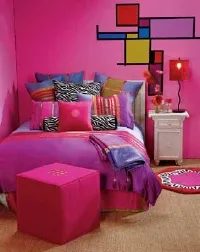
Teen rooms demand individuality. And nothing signals that quite like a wall painted in electric blue or a rug splashed with hot pink. But here is the thing most people miss. You don’t have to choose just one shade.
The rule is simple. If the intensity matches, the chaos works.
Think of it as a spectrum rather than a rainbow. You can layer a deep navy with a bright teal. You can mix a bold crimson with a vibrant orange. They share the same emotional weight. The eye doesn’t get tired. It gets energized.
For many young people, picking a favorite color is part of growing up. It’s how they figure out who they are. So why limit them?
This approach allows you to indulge their taste without sacrificing style. The key? Restraint in the details.
Taming the Mix with Neutrals
You want a room that feels bold but not overwhelming. Because let’s be honest. You don’t want to close the door on your teen’s space every time you walk in.
The secret to making high-intensity colors livable is balance. Simple treatments do the heavy lifting here.
Consider the basics.
– Bedding: Stick to solid, neutral linens. White, gray, or beige sheets act as a visual pause.
– Window treatments: Simple sheers or plain blinds. No busy patterns.
– Large furniture: A gray sofa or a white dresser grounds the space.
These neutral anchors give the eye a place to rest. They let the colorful accents pop without shouting.
DIY Tips for a Personalized Look
You and your teen can build this look together. It’s not about buying expensive decor. It’s about curation.
Start with the walls. Pick one accent wall. Paint it. Let them choose the shade.
Then, add layers.
– Posters: Frame them in simple black or white frames.
– Rugs: Choose one bold rug. Keep the floor around it clear.
– Accessories: Pillows, throw blankets, or a statement lamp.
This method lets you experiment. You can swap out a pillow cover for a new color next month. You can repaint an accent wall in a year.
The space grows with them.
Why Intensity Matters More Than Hue
People often worry about clashing colors. Red and green. Purple and yellow.
But if the saturation is similar, it works. A muted red and a muted yellow might clash. A bright red and a bright yellow? That’s a party.
The goal is unity through energy. Not through matching tones.
So go ahead. Pick the shades they love. Add the neutrals. Step back.
Does it feel too much? Take something out. Does it feel too safe? Add a pillow.
The room is a canvas. And they’re the artists. You’re just providing the frame.
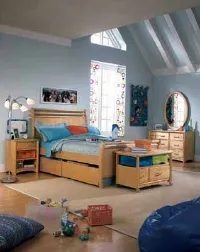
Picking a color scheme for your teen’s room isn’t just about aesthetics. It’s psychological warfare against the daily grind. Your kid is sensitive to emotional currents, maybe even more than you are. You can’t shield her from every social disaster or academic stressor. But when she walks through the door, the room can be a sanctuary. Start with colors she actually loves.
Once you lock in that palette, the rest falls into place. Furniture and accessories stop being a headache and become easy decisions. Shopping for a new bedroom set? Pair warm wood tones against cool-colored walls. It creates instant contrast. If you’re stuck with cold laminate furniture, go for warm-tinted walls to take the chill out of the space.
Choose a contrasting accent color or two. Change them when the mood strikes to get a completely new look without repainting.
This is the ultimate mood-lifter. Swap out pillows, throws, or a single piece of art. The base hue stays constant. The accents shift. The room feels new. You don’t need to spend a fortune to achieve this.
Chic Decor on a Dime
You don’t need a professional designer to make the room feel intentional. In fact, the best teen rooms often feel curated rather than bought. Look for inexpensive items that have texture. A woven rug adds warmth instantly. Faux fur throws soften hard lines.
Paint is still the cheapest way to change a room. But don’t paint everything. One accent wall is enough. Choose a bold hue from her favorite palette. The other three walls stay neutral. This keeps the room from feeling overwhelming while giving her a focal point.
Lighting matters too. Harsh overhead lights kill mood. Add string lights or a plug-in sconce. Warm bulbs make any space feel cozier. You can buy these at any discount store. No specialized fixtures required.
Practicality Meets Style
Your teen needs space to study. And sleep. And exist. Make sure the color scheme doesn’t clash with the functional zones. If she spends hours on homework, a calm, cool color near her desk might help her focus. If she likes to lounge, warmer tones in the seating area can encourage relaxation.
Accessories should be interchangeable. Use command strips to hang posters or framed prints. If her taste changes next month, you don’t need a ladder and a drill. Just peel and stick. This flexibility is key. Teens outgrow phases quickly. Your decor should survive those shifts.
Safety First
When hanging heavy items or installing shelving, use proper anchors. Drywall alone won’t hold a heavy mirror or a full bookshelf. Check the weight limits. Use studs when possible. This isn’t just about protecting your walls. It’s about preventing accidents. A falling lamp isn’t just a mess. It’s a hazard.
The Bottom Line
The goal isn’t perfection. It’s a space that feels like hers. Start with colors she loves. Mix in contrasting accents. Keep furniture choices flexible. Add cheap textures for depth. And always prioritize safety. The result is a room that supports her emotional well-being without breaking the bank.
The real work starts with a paint brush. Or a roll of wallpaper. Or a trip to the thrift store. Whatever gets the job done. The rest is just details.
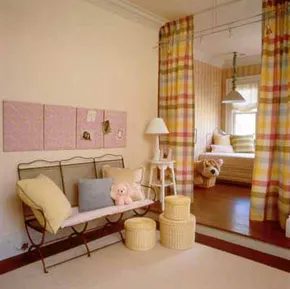
You don’t need to drain your savings account to make a teen’s room look good. The myth that you must buy a full set of matching brand-new furniture is just that—a myth. Look closer at the power of pink and white. It isn’t dated. It’s currently having a major moment.
This room proves you don’t need square footage to make a statement. You just need good lines. Mix unmatched pieces. Graceful silhouettes work everywhere. Whether these are genuine French antiques or just inspired replicas doesn’t matter. What matters is the vibe.
The base? Classic powder pink and white.
The recipe works: take a classic palette and inject drama.
Inject drama with black touches. Then add jewel tones. Think deep emerald or sapphire blue. A rainbow of interesting colors stops the room from feeling sterile.
Scout for furniture in unexpected places.
- Casual outdoor furniture stores
- Resale shops
- Thrift stores
Keep function in mind. Tees need storage. They need a place to study. The result should look effortless. An enviable offhand charm. It holds up over time.
Naturally Smart Teen Bedroom Decorating Idea
This approach relies on texture and history rather than price tags. Mixing eras creates depth. A vintage chair next to a modern lamp feels curated, not cluttered.
Safety and practicality still rule. Check for stability in older pieces. Ensure electrical cords are managed. Teens move around. They drop things. They need durability.
Start with a white backdrop. It reflects light. Makes small spaces feel bigger. Add pink through textiles. Rugs. Pillows. Easy to swap. Paint is permanent. Textiles are not.
Black accents ground the look. A black picture frame. A black lamp base. It stops the pastels from floating away. Jewel tones add personality. A teal throw. A purple cushion. These are cheap wins.
Where to find these items?
Online marketplaces. Local estate sales. Garage sales.
Condition matters less than style. Sanding. Repainting. Reupholstering. A little work goes a long way.
Why stick to trends? Trends fade. Style lasts. A mix of vintage and modern never goes out of style. It’s personal. It’s unique.
Think about how the light hits the room. White walls bounce it around. Pink softens it. Black absorbs it. Balance the three.
Materials matter. Wood. Metal. Fabric. Combine them. Rough against smooth. Warm against cool.
Don’t overfill the space. Negative space is important. Let the eyes rest.
Which pieces to prioritize?
The bed. The desk. The storage.
Everything else is decoration.
How to paint old furniture?
Clean it first. Sand lightly. Prime. Paint in thin coats.
What about safety?
Anchor heavy furniture to the wall. Especially if the teen is young. Check for lead paint in older items.
Where to get ideas?
Pinterest. Instagram. Real homes.
Look for inspiration, not copies. Adapt. Make it yours.
The goal isn’t perfection. It’s personality.
A room that feels lived-in. Welcoming. Cool.
Not stiff. Not cookie-cutter.
Real.
How much does this cost?
Variable.
Can
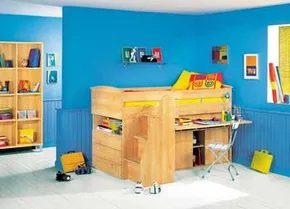
If your teenager leans toward clean lines and minimal clutter, stop looking for separate beds, desks, and dressers. The new wave of combination units is here. These systems pack sleep, storage, study zones, and play space into a single footprint. They are cleverly designed. They work. And when built from wood with a natural finish? They bring warmth to a space that can often feel sterile.
The Case for Naturally Finished Wood
Soft contemporary style fits these units like a glove. You don’t need to overcomplicate the rest of the room. Let the furniture lead.
The key is the material. Look for pieces finished in natural wood. It grounds the modern aesthetic. It stops the room from feeling like a showroom. Bright colors and stylized motifs add the necessary cheer. They appeal to anyone. Whether your kid is eight or eighteen, the vibe stays light.
But here is the practical part. You need durability. Kids are hard on surfaces. Look for desks and bookcases with polyurethane-lacquered worktops. This coating extends the life of the wood. It protects against spills, markers, and late-night laptop heat. Crucially, it does not obscure the grain. You still see the texture. You still get the natural look.
Balancing Casual Vibes with Substantial Furniture
Can you have a casual room and still have substantial, high-quality furniture? Absolutely. It is not an either-or proposition.
The combination unit handles the heavy lifting. It provides the structure. Your secondary pieces—the bookcases, the side tables—just need to complement it. Stick to the same natural wood tone. The polyurethane finish ties it all together. It creates a unified look without feeling matching.
For the walls, go bright. Go stylized. The furniture stays neutral. The decor does the talking. This balance keeps the room from feeling too heavy or too sterile. It feels lived-in. It feels designed.
Navigating Style Conflicts
What happens when you and your teen disagree on the aesthetic? You hit that modern-versus-traditional wall. It happens.
If you are stuck in a stalemate, the combination unit is the peace treaty. It offers modern functionality with traditional materials. It satisfies the need for efficiency. It respects the love for natural textures.
There is no need to force a full renovation. Start with the core system. Add the bright accents later. See how it feels. Adjust. The goal is a space that works for study and sleep, looks good, and doesn’t spark a war over decor.
“Look for those with polyurethane-lacquered worktops that extend the life of the wood without obscuring its attractive grain.”
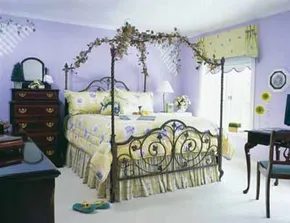
You don’t have to choose between your taste and your teen’s. If you want to keep those sturdy, classic pieces but your teenager is obsessed with sleek, contemporary vibes, fabric is your bridge. It’s the easiest pivot point.
Look at the lime and lilac scheme. It works because it’s airy. The color palette feels youthful without being childish. The floral patterns aren’t your grandmother’s damask. They’re fresh. Modern. The room gets an extra boost from the hand-painted trompe l’oeil lattice and vines on the wall. It adds depth. It feels intentional, not cluttered.
Choosing Colors for a Modern Vibe
You can replicate this with almost any light, fresh combination. Think aqua and peach. Or mint and coral. The key is keeping the background simple. No busy wallpapers. No heavy, elaborate draperies that drag the eye down.
Use contemporary prints to do the heavy lifting. Take the abstract watercolor florals in the example. Large scale on the bedspread. Smaller scale on the window valance. It creates rhythm. It keeps the look fun-loving. Traditional furniture becomes a canvas, not a centerpiece.
Integrating Hobbies Into the Space
The next step is personalization. This is where you bring in their interests. Whether it’s sports, music, or art, the goal is to make the space feel like theirs, not just a guest room that happens to have a bed.
Sport Authorities Teen Bedroom Decorating Idea
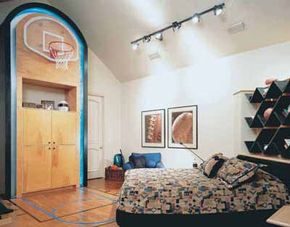
Active teens juggle complex schedules. Their hobbies are elaborate. Their studies are intense. Yet underneath the backpacks and textbooks, they are still kids. They need room to move.
The best decorating ideas don’t fight this energy. They channel it.
Strategic Storage for Clutter Control
Clutter is the enemy of a functional teen space. You aren’t looking for perfection. You are looking for containment.
Sleek, well-designed storage furniture solves the volume problem. It houses a multitude of items in an orderly way. Think modular units. Think under-bed bins. Think vertical shelving that reaches for the ceiling.
Even if total orderliness is too much to hope for, these furnishings keep the mess off the floor. Visual noise drops significantly when boxes are stacked and doors are closed. The room feels larger. The mind feels clearer.
Matching Materials to Personality
How does your teen’s vibe? The materials you choose should echo that identity.
If they appreciate the natural warmth of wood furniture and built-ins, follow through with fabrics that echo these tawny tones. Earth tones ground the space. Linen, wool, and raw cotton fit here.
If he prefers an industrial look, you can furnish his space with laminates in cool neutral shades. Steel, concrete, and blackened metal work well. Then inject a bit of warmth with red or another hot accent color. A single red chair. A bold throw pillow. A stripe of paint on one wall.
Either way, strive for simplicity. Minimal hardware reduces visual clutter. Maximum freedom of movement prevents the room from feeling cramped.
Expressing Individuality
Once the base is set, let them take the wheel.
The foundation supports their lifestyle. The accents reflect their soul.
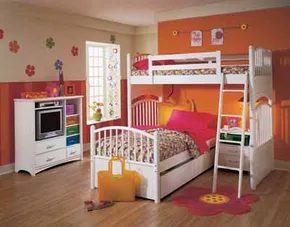
The rules against mixing hot pink and orange died in the 1960s. Since then, teens have embraced that clash. It works. The intensity of saturated tropical hues feels right for a modern bedroom. It is a timeless choice now, not a fashion mistake.
These colors can be livable. They do not have to overwhelm a space. You just need to balance them. Pair dazzling accents with white. Use another neutral. Or pick a pale tint of the pink or orange itself. This keeps the room from feeling like a candy store explosion.
Balancing Bold Prints with Solids
Funky flowers fit this scheme perfectly. But your teen might prefer something else. Any motif works if it is woven into a unique design. Florals are just the beginning. Contemporary fabrics, wallcoverings, and accessories offer endless options.
Let her pick her current favorites. The key is balance. Use busy prints. Then counter them with solid color areas. This creates visual breathing room. Without that pause, the eye gets tired. The room feels cluttered. With it, the design feels intentional.
“Balance busy prints with areas of solid color to create visual breathing room.”
If you want sleeker, modern ideas that keep the bedroom tidy, look to space-age influences next. That direction offers a different kind of vibrancy. One that relies on form and finish rather than just color.
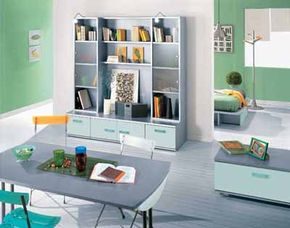
Contemporary design isn’t just for adults in high-rise condos. It works just as well in a teenager’s sanctuary. Teens are naturally oriented toward the future, which makes a sleek, modern aesthetic a natural fit for their space. It’s not just about looking cool. There are functional reasons to go this route.
If the room is tight, modern furniture helps. Light-colored pieces open up the visual field. They make small quarters feel less cramped. Laminate surfaces add to the practicality. They wipe clean in seconds, which is essential when you’re dealing with busy teens. Storage is another win. Even scaled-down modern units often pack in serious organizing power.
Why Blue Works for Teen Spaces
Blue is the anchor here. It creates that airy, spacious vibe right away. You can layer in yellow and orange accents to introduce warmth. Without those pops of color, the room might feel too sterile. The combination balances cool tones with inviting energy.
“Furniture like this would be as much at home in a first studio apartment as in a teen’s bedroom.”
This style is portable. Quality modern pieces don’t just belong in a teen’s room. They fit perfectly in a first apartment down the road. If you invest in durable basics now, you aren’t just decorating a bedroom. You are equipping a young adult for independence.
How to Make Blue Go Further
Blue reigns supreme because it is versatile. It acts as a neutral backdrop for other colors. This allows you to change up the mood without replacing major furniture. Stick to a base of blue walls or large textiles. Then, introduce secondary colors through smaller items.
When shopping, focus on quality. You want items that last through the teenage years and beyond. Look for clean lines. Avoid clutter. The goal is a streamlined look that feels intentional.
Next, we will break down how to use basic blue to create a lasting foundation.
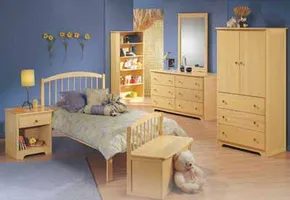
Pink gets a pass. A lot of girls outgrow it the second they hit their teenage years. If you are worried about picking the wrong palette, stop. Blue is the safer, smarter bet. It is versatile. It is popular. It actually works.
The science behind the choice is simple. Blue is soothing. In a south- or west-facing bedroom, where the sun bakes the walls all afternoon, blue acts as a psychological cooling agent. You want the room to feel like a refuge, not a kiln.
If the room is tight on square footage, skip the heavy, dark tones. Go with pale tints. They reflect light. They visually expand the space in the same way white does, but with more character.
Matching Colors and Contrast
Blue is a chameleon. It plays nice with almost anything. But you need contrast. Flat, single-hue rooms look boring. Pair royal or navy blue with yellow. The contrast pops. It feels energetic. Pale blue deserves deep magenta or fuchsia nearby. That combination looks sophisticated. Not trendy. Sophisticated.
Regardless of the shade, blue stays cool. Literally and figuratively.
Rustic Retreats: Creating a Private Getaway
The goal isn’t just decoration. It is transformation. You are turning a bedroom into a private getaway. Think of it as a sanctuary. A place to disconnect from the rest of the house.
This approach leans into rustic retreat aesthetics. It feels grounded. Real. Not sterile.
To achieve this, you need materials that age well. Wood is your friend. Reclaimed wood headboards. Live-edge shelves. Even a distressed finish on a dresser adds texture. It breaks up the monotony of the blue walls.
Textiles matter here. Throw blankets with chunky knits. Area rugs made from natural fibers like jute or sisal. These materials add warmth to the cool blue tones. They balance the sensory experience of the room.
Lighting plays a huge role in the “getaway” vibe. Avoid harsh overhead lights. Use table lamps with fabric shades. String lights draped casually over a mirror or headboard. The goal is soft, ambient illumination. Harsh light kills the mood instantly.
Practical Steps for the DIY Homeowner
You don’t need a contractor for this. You just need a plan.
- Assess the light. Note which way the windows face. If it gets direct sun, lean toward lighter blues. If it’s shady, you can go darker.
- Choose your primary blue. Pick one main shade for the walls. Navy feels cozy. Sky blue feels airy. Pick one. Don’t mix them randomly.
- Select accent colors. Yellow for energy? Magenta for drama? Stick to two accent colors max.
- Source rustic elements. Look for second-hand furniture. Sand it down. Paint it if needed. The imperfections are the point.
- Layer textiles. Start with a neutral base. Add blue pillows. Add a rustic throw. Adjust until it feels balanced.
Safety first. If you are sanding old wood, wear a mask. Lead paint is still a thing in older homes. If you are painting, use low-VOC options. The air
The core of the look
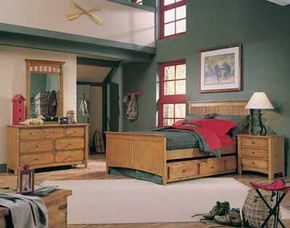
Teen boys often need an exit strategy from the family hub. They want a place that feels like a proper getaway. A lodge-style bedroom delivers exactly that. It works whether you are working with a cramped corner or a sprawling master suite. The goal is simplicity. You are building a space that feels grounded and masculine without trying too hard.
Furniture choices
Start with the big pieces. Look for squared-off furniture. Solid oak or pine works well if you want clean lines. The grain should be strong and visible. If you want to lean harder into the rustic vibe, go for coarse-hewn logs. Peeled logs add texture. They bring the outdoors in. Avoid anything too polished or fancy. This isn’t the place for delicate veneers.
Textiles and patterns
Fabrics set the tone. Stick to homespun materials. Ticking stripes are a classic choice. They evoke a sense of history. Lumberjack plaid is another staple. It adds warmth. You can also look for other timeless country patterns. These fabrics soften the hardness of the wood. They make the room feel lived-in.
Color strategy
Wood tones are neutral. They provide a base. Now you need contrast. Red and hunter green is a classic combination. It feels rich. It’s lively. Red and denim blue is another strong option. The blue brings in a cooler tone. The red keeps it energetic. These colors pop against the natural wood.
Personalizing the space
Let the teen’s hobbies drive the accessories. If he loves the outdoors, lean into camping gear. If he prefers western themes, add cowboy elements. The accessories shouldn’t fight the room’s base style. They should complement it. A few well-chosen items are better than clutter.
What’s next?
This approach focuses on a specific rustic aesthetic. There are other directions you can take for a teen’s room. The next section explores a different kind of outdoor-inspired style.
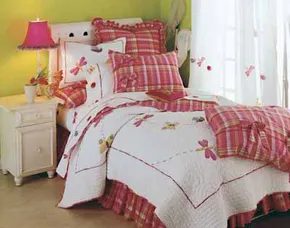
Yellow-green. Specifically, the shade of young lettuce leaves. It is arguably one of the most flexible colors in the entire spectrum. You can pair it with almost anything. Navy works. Orange works. But the real magic happens when you introduce its direct complement from the color wheel: red-violet.
That combination is pure delight.
Take this room as a case study in foolproof design. The walls are painted in a bold chartreuse ground. Against that intensity, bright white and magenta don’t just sit there. They pop. They stand out like tulips in a spring field. Fresh. Vibrant. Alive.
Balancing Bold Greens with Dark Wood
You might worry about the furniture. Maybe your teen’s dresser is a dark wood you refuse to paint. Good news. That heavy green keeps the entire scheme light. It prevents the space from feeling bogged down. The result is fun and distinctly feminine. It is not babyish, though.
This is for a girl who wants sophistication. She wants a modern take on pastel pink and green. Not the nursery version. The grown-up version.
The Power of Complementary Color Theory
Why does this work? Because complementary colors create maximum contrast. When placed side-by-side, they make each other appear more vivid. Chartreuse (yellow-green) and red-violet sit opposite each other on the wheel. They push against each other.
This isn’t just decoration. It’s physics. Light and perception.
The white acts as a buffer. It gives the eye a place to rest. The magenta ties into the red-violet side of the spectrum. The chartreuse anchors the room. Together, they create a dynamic tension. It’s energetic. It’s youthful. It’s designed to last through the awkward years.
Why This Pairing Never Goes Out of Style
Some trends fade. This one doesn’t.
Color theory is timeless. The relationship between opposites is constant. While paint brands change their names and trends shift toward beige, the eye still craves contrast. Still seeks balance.
If you want a room that feels curated but not stiff, this is the path. It’s bold without being aggressive. It’s bright without being sterile.
On the next page, we look at a different pairing. One that never loses its appeal.
Cool and Clear Teen Bedroom Decorating Idea
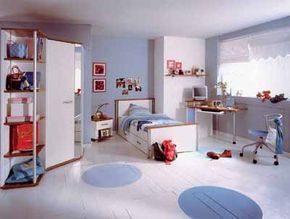
Blue and white isn’t just a color combo. It’s a strategy.
It works for boys. It works for girls. It works for teens who are done with “childish” themes but still want some personality.
In a noisy, chaotic world, blue brings calm. A teen bedroom should be a sanctuary. Not a party zone. A place to decompress.
If the room is small, this scheme helps. Lighter shades like sky blue or baby blue bounce light around. They make cramped quarters feel airy. You get space without adding square footage.
Pick a shade first. Let the kid choose. Ownership matters.
Choosing the Right Blue
Not all blues are created equal.
Sky blue and baby blue fit modern, contemporary looks. They’re lighthearted.
Cobalt? That’s traditional. Think Royal Delft porcelain. Deep, rich, classic.
But you don’t have to stick to basics.
Teal. Turquoise. Periwinkle. Indigo.
Each shifts the mood. Teal is grounded. Turquoise is energetic. Periwinkle is soft. Indigo is dramatic.
Pick the one your teen actually likes. Blue is versatile. It ages well.
Aging Up the Space
The hard part? Transitioning from kid to adult.
You don’t want to strip everything out and start over. That’s wasteful. And boring.
Keep the blue. Swap the graphics.
Replace cartoon posters with abstract art. Trade plastic bins for woven baskets. Keep the bedding, upgrade the texture.
The goal is tasteful individuality. Not a showroom.
It’s about balance. Structure. A sense of self that grows with them.
No need to panic if it feels overwhelming. Start with the walls. Paint one accent. See how it feels. Then adjust.
Related Articles
- Kids’ Bedroom Decorating Ideas
- Toddler Bedroom Decorating Ideas
- Baby Nursery Decorating Ideas
- Bedroom Decorating Ideas
- Kids’ Bathroom Decorating Ideas
- How to Design Children’s Rooms
- Safety Tips for Decorating Kids’ Rooms
- How to Stencil Kids’ Rooms
- How to Furnish a Small Space
- How to Organize Shelves
- What does thread count really mean?
- What’s the difference between a designer and a decorator?
About the Authors
Mary Wynn Ryan
She’s written dozens of interior design books. The Ultimate Kitchen. The Ultimate Bath. Cottage Style. Fresh Country Style. Garden Style. She’s been Midwest editor for Design Times magazine. Her focus? Home furnishings and practical design.
Heidi Tyline King
Writer and editor. Covers arts, culture, history. Also writes about nature-based attractions and decorating projects. Books include All About Paint and Wallpaper. Beautiful Wedding Crafts. Pelican Guide to the Florida Panhandle. The Unofficial Guide to the Southeast with Kids.
She knows how to make complex topics readable. And visual.