The microwave dried out your lasagna. Again.
We all know that textureless tragedy. That rubbery, uneven heat. Steam ovens exist to fix that specific problem, combining a steamer and a standard oven to preserve moisture and flavor where your microwave fails. It’s not just reheating. It’s preservation.
For people who care about how leftover pizza actually tastes, the steam oven is looking increasingly like the necessary upgrade. Perhaps the microwave’s replacement.
What Actually Happens Inside?
Clutter-free countertops matter. Multifunctional gadgets matter more.
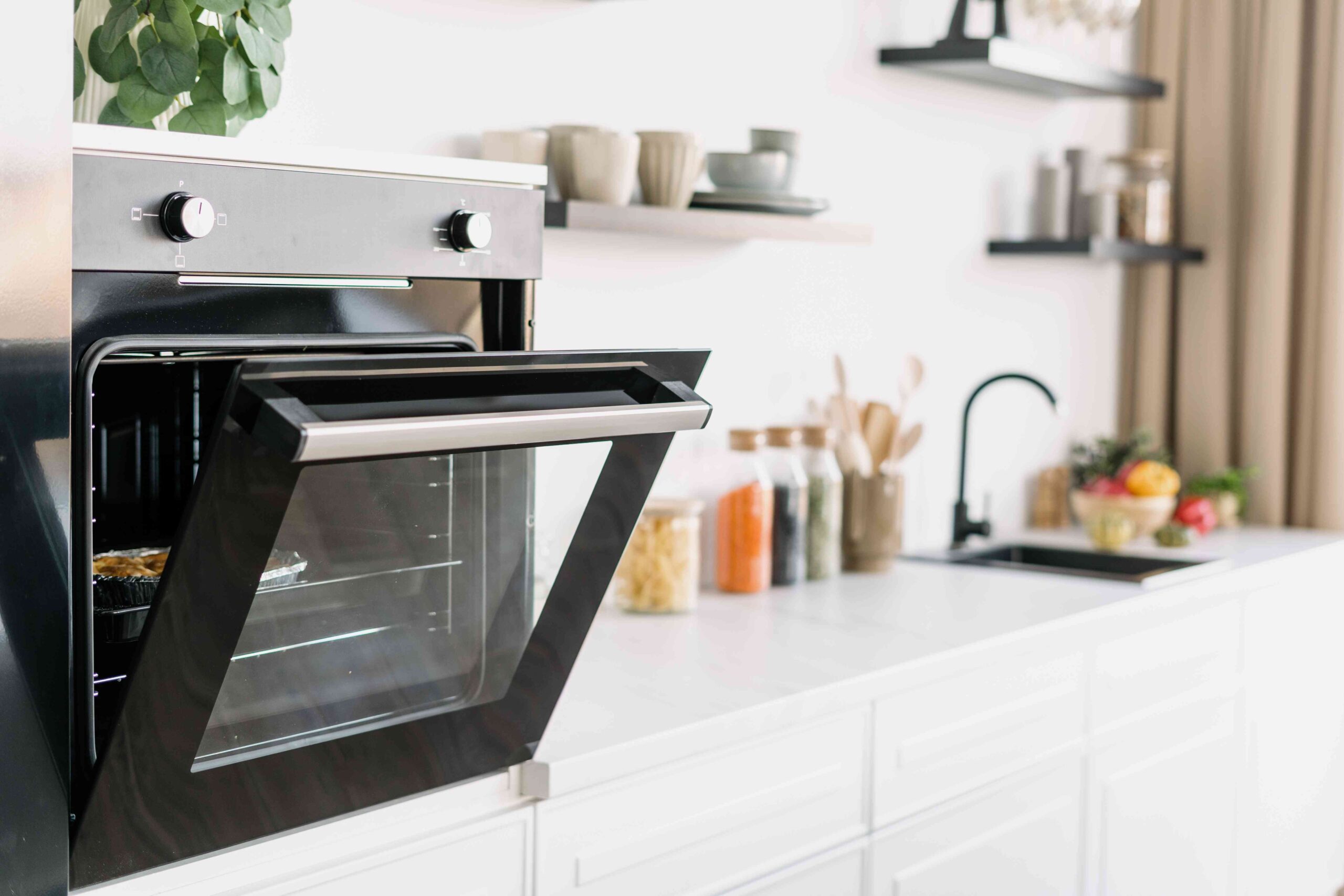
Enter the steam oven. As the name implies, it merges the gentle humidity of a steamer with the heat of a traditional oven. You fill a tank with water. The appliance creates steam. Fans—similar to the ones in a convection oven—circulate that hot vapor.
“Steam ovens combine externally generated steam, with a convection system, of fans and heating elements.”
Joel Chesebro, Executive Chef at Sub-Zero/Wolf/Cove
The steam moves around the interior. Heat transfers more effectively than dry air allows. The result is texture. Real flavor. Not that burnt plastic taste we’ve all developed a tolerance for.
It’s Not Just for Leftovers
Chesebro and Mattia Sala of SMEG USA agree on the basics: leftovers are the easiest sell. The food stays moist. The original flavor profile doesn’t vanish into thin air.
But go deeper. Lean proteins are a pain in conventional ovens. Chicken breasts turn into shoe leather. Fish flakes apart into dust. A steam oven keeps them tender all the way through.
Vegetables stay bright, too.
“Steam cooking is a crowd favorite,” says Sala, noting that nutrients don’t just leak out into boiling pots of water. Desserts benefit, particularly softer textures like custard or cheesecake. Even baking improves. The steam helps bread develop a crisp crust while keeping the interior fluffy. Rice? Perfect. Evenly cooked, unstuck from the bottom of the pan, not burnt.
The Real Difference: Physics, Not Magic
Here is where it gets technical. Why choose this over the box in your counter that beeps incessantly?
It comes down to heating methods. A microwave zaps water molecules, causing them to vibrate. Friction creates heat. Fast? Yes. Even? Often not.
A steam oven cooks with… well, steam.
Chesebro points out the distinction. Microwaves use electromagnetic radiation for speed. They dry food out. Steam ovens use moisture to carry heat. The versatility is the main draw here. You reheat food, yes, but you also air-fry. You bake. You steam. It does the job of three or four appliances, sitting quietly where your old microwave used to clutter the counter.
Is It Worth the Switch?
There are downsides. Always are.
Steam ovens cost more. Significantly more.
They are also slower. If you live in a house where everyone needs a burrito heated in 90 seconds, a microwave still has a place. Convenience is the microwave’s only remaining defense. For a busy household moving at mach speed, waiting for the water to heat and steam to generate feels like a luxury you don’t have.
But if you have ten minutes? And you care about whether your reheated dinner tastes like something a chef might serve, rather than something microwaved?
You might not look back. Though the initial price tag gives most people pause. Does better-tasting leftover salmon justify the extra expense?