Glass is everywhere. From the phone in your pocket to the vase on your mantle, it defines modern life. Yet, it is notoriously difficult to customize. You cannot simply drill through it like wood or metal. But that does not mean you are powerless. With the right approach, anyone can learn how to drill a hole in glass safely.
Success here depends on patience. It requires specific tools and a deep respect for the material. If you rush, you will end up with shards. If you respect the process, you will get a clean, precise hole. Let us break down exactly what you need to know before you touch that drill.
The Problem With Glass
You cannot fix what you do not understand. Glass is not just “hard stuff.” It is brittle, rigid, and unforgiving.
Unlike metal, glass does not bend. Unlike wood, it does not compress. Apply too much pressure, and it fractures. It is also incredibly sensitive to heat. The friction between a spinning drill bit and glass generates intense warmth. Without cooling, that heat creates thermal shock. The glass cracks. It shatters.
There is also variety. Tempered glass? Do not even try. It will explode into tiny cubes if drilled. Annealed glass? That is your target. You must identify your material before you start.
Tools You Actually Need
Cheap tools lead to broken projects. Here is what you need to buy before you begin.
Drill Bits
You cannot use standard masonry bits. They will slip. You need bits designed for smooth, hard surfaces.
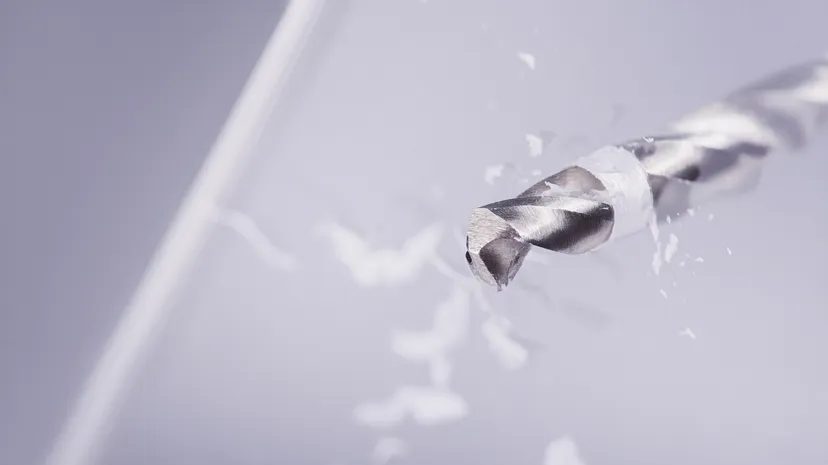
- Diamond-tipped bits: These are the gold standard. They last forever and cut through even the thickest glass. Expensive? Yes. Worth it? Absolutely.
- Carbide-tipped bits: Look for the spear-shaped or arrowhead design. These are cheaper and work well for occasional DIYers.
- Spear-headed bits: A specific subtype of carbide. Excellent for precision work where you need to start the hole accurately.
The Drill
You have two choices.
A standard cordless drill works, but you must control the speed. High RPMs create heat. Heat kills glass. Set it to the lowest setting.
A drill press is better. It provides stability. It keeps the bit perfectly perpendicular to the surface. If you are drilling multiple holes or larger diameters, invest in a press. If you are doing one small hole for a shelf bracket, a handheld drill is fine if you are steady.
Cooling and Safety
Water is your friend. You need a way to keep the drill bit and glass cool. A simple spray bottle works. A dripping water source is better.
Sandpaper is mandatory for finishing. Get fine-grit paper, maybe 400 grit or higher.
Safety gear is non-negotiable. Glass dust is bad for your lungs. Shards are bad for your eyes. Wear safety glasses. Wear a dust mask. Wear gloves to protect your hands from sharp edges.
Step-by-Step Drilling Guide
Preparation is 90% of the battle. Follow these steps exactly.
Preparation
- Clean the surface: Use glass cleaner or soapy water. Any dust particle can scratch the glass or cause the bit to slip.
- Mark the spot: Use a permanent marker or a center punch. Be precise.
- Secure the glass: Place it on a flat, stable table. Use clamps if possible. If you cannot clamp it, use a non-slip rubber mat. The glass must not move.
- Apply tape: Stick masking tape or painter’s tape over your mark. This prevents the drill bit from skating across the surface and reduces chipping.
Drilling
- Attach the bit: Ensure your diamond or carbide bit is tight.
- Set speed: Lowest setting on your drill.
- Start drilling: Place the bit on the mark. Apply very light pressure. Let the tool do the work. Do not push down.
- Cool continuously: This is critical. Spray water on the spot constantly. Or dip the bit in water between every few seconds. Keep it cool. If the glass gets hot, stop. Let it cool.
- Be patient: Go slow. A clean hole takes time.
Finishing
- Smooth the edges: Use fine-grit sandpaper to round off any sharp edges. This prevents cuts later.
- Clean up: Remove the tape. Wash away the glass slurry and dust.
- Inspect: Check for cracks. If you see a hairline fracture, stop. The glass is compromised. Start over.
The Bottom Line
Drilling glass is intimidating. It feels like you are playing with fire. But it is just physics. Respect the brittleness. Manage the heat. Use the right bit.
You can create custom shelves. You can install towel racks. You can make unique art. The barrier is not skill. It is preparation.
Stay safe. Wear your glasses. And if the glass cracks? It happens. Take it as a lesson. Then try again. The satisfaction of a perfect hole is worth the caution.