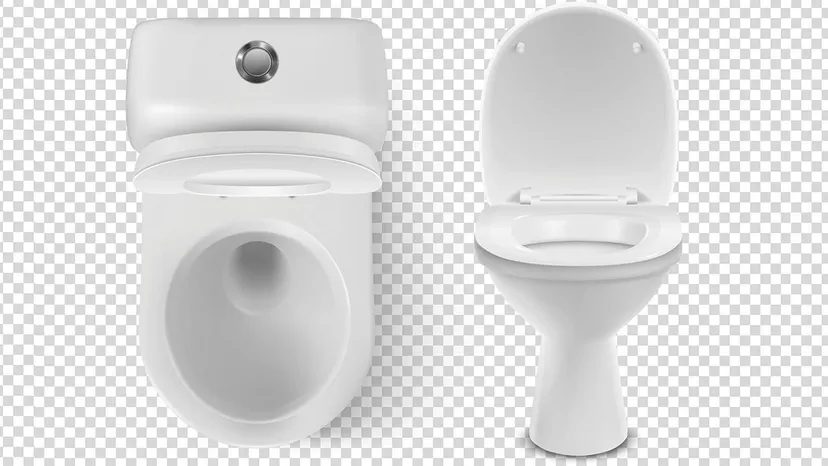
Water is not infinite. We treat it like it is, especially when we flush. The reality is stark: one in four people globally lack access to a proper sanitation system, according to WaterAid America. This deficit isn’t just an inconvenience. It leads to poor hygiene, severe illness, and preventable deaths. But for those of us with plumbing, the issue is different. It’s about waste. And old toilets are major culprits.
Before low flow toilets became standard, a single flush could consume up to 7 gallons (26.5 liters) of water. That is an enormous amount to send down the drain. Older models are also prone to leaks. A silent drip can waste hundreds of gallons a week. After outdoor irrigation, toilets are the second-largest water user in a typical home.
Enter the low-flow era.
Since 1992, U.S. law has required that all new toilets sold in the country use 1.6 gallons (6 liters) or less per flush. Many homes still cling to inefficient, older models. The Environmental Protection Agency (EPA) estimates that an average family could save as much as 13,000 gallons (49,210 liters) of water annually by switching. That’s money saved on bills and a significant reduction in environmental strain.
But does saving water mean compromising cleanliness? For years, the answer was yes. Early attempts at efficiency were clumsy.
The History of the Struggle for Efficiency
The push for efficiency started with the Energy Policy Act of the early 1990s. Congress mandated a cap on water usage. Manufacturers scrambled to comply. Their initial solution? Shrink the tank.
It didn’t work.
Consumers complained. The new toilets didn’t flush well. Solids remained. Paper didn’t break down. The market was frustrated. The technology hadn’t caught up with the regulation.
Then came the Maximum Performance (MaP) testing protocol in 2002. A coalition of 22 U.S. and Canadian organizations developed this standard to objectively measure flushing power. It wasn’t about speculation anymore. It was about data.
How MaP Testing Works
MaP testing evaluates how much waste a toilet can remove in a single flush. The waste consists of soybean paste and toilet paper. This mixture mimics real-world conditions. The scores reflect total removal. It is now the de facto standard for flushing performance in North America.
This shift forced manufacturers to innovate. They couldn’t just reduce water volume. They had to redesign the internal geometry. The bowl shape changed. The trapway widened. The flush valve evolved.
Advances in Low-Flow Toilets
Modern ultra-low-flow toilets (ULFTs) are a far cry from the 1.6-gallon struggles of the 1990s. Today, efficiency is achieved through aerodynamics and pressure.
Pressure-Assisted Systems use a sealed tank inside a water-filled outer shell. When you flush, compressed air forces water into the bowl at high speed. It’s loud. It’s powerful. It clears the bowl effectively with less water.
Gravity-Feed Designs have also improved. Better bowl glazes reduce friction. Wider trapways prevent clogs. The result is a flush that relies on gravity but moves faster and cleaner than its predecessors.
For homeowners, the
Gravity vs. Pressure-Assisted Systems
Most modern low-flow toilets fall into two camps: gravity-fed and power flush. Both are capped at 1.6 gallons (6 liters) per flush, a sharp drop from the old 3.5-to-7-gallon standards. But how they move waste? That’s where they differ.
Gravity toilets are simple. You pull the handle, water rushes into the bowl, and physics takes over. The shape of the trapway creates a siphon effect, pulling everything down into the sewer line. It’s not new tech. The mechanics haven’t changed much in decades, which makes these units notoriously easy to repair. If it breaks, you probably know a guy with a wrench who can fix it.
Power flush toilets are different beasts. They use compressed air inside a vessel within the tank. When you flush, that pressurized air forces water and waste out with aggressive speed. They are incredibly efficient. The downside? They sound like a jet engine taking off in your bathroom and usually cost more upfront.
The Dual Flush Option
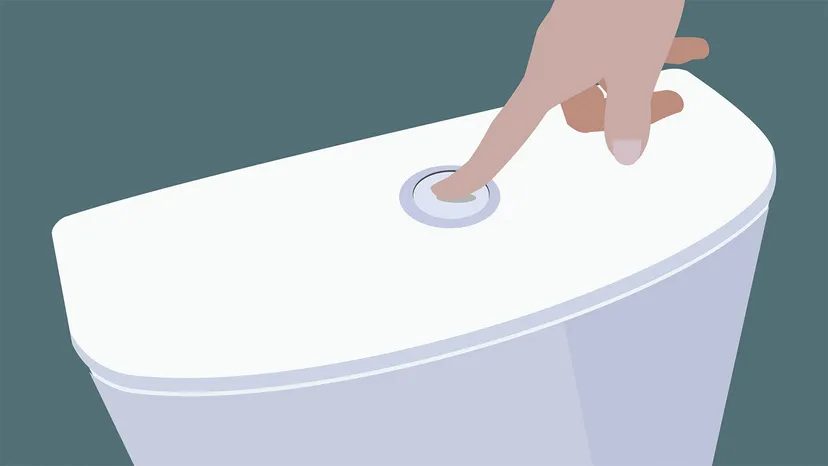
Then there’s the dual flush. It’s a middle ground for the water-conscious homeowner. Look at the tank lid. You’ll see two buttons.
Small button? 0.8 gallons (3 liters). Use this for liquids.
Large button? 1.6 gallons (6 liters). Use this for solids.
It’s a simple mechanic that cuts water use in half for urine-only flushes. It works well in households with adults who understand the difference. It fails in homes with toddlers or guests who don’t read the labels.
How to Choose a Low-flow Toilet
Don’t just grab the cheapest model at the hardware store. You’re installing this for the next 15 to 20 years. Here is how to pick the right one for your specific house.
1. Check the WaterSense Label
The EPA’s WaterSense label is the baseline. It guarantees the toilet uses no more than 1.6 gallons per flush and performs better than 10% of standard models. If a toilet doesn’t have this label, ask why. There are low-flow models that fail the performance test, leaving you with a toilet that requires a second flush. That defeats the purpose.
2. Determine Your Flush Mechanism
Do you hate noise? Stick with gravity. The pressurized air in power-flush toilets can be jarring, especially in bathrooms close to bedrooms. Do you have a septic system? Check the manufacturer guidelines. Some high-pressure systems are too aggressive for older septic tanks, disturbing the bacterial balance needed for breakdown.
3. Measure Your Rough-In Distance
This is the most common DIY mistake. The rough-in is the distance from the wall behind the toilet to the center of the drain pipe.
* Standard is 12 inches.
* Older homes (pre-1980s) might be 10 inches.
* Rarely, some are 14 inches.
Buy a 12-inch toilet for a 10-inch rough-in and it won’t fit. Measure the actual pipe, not just guess. Use a tape measure. Go to the wall. Measure to the bolt caps. If they are in the floor flange, measure to the center of the bolt.
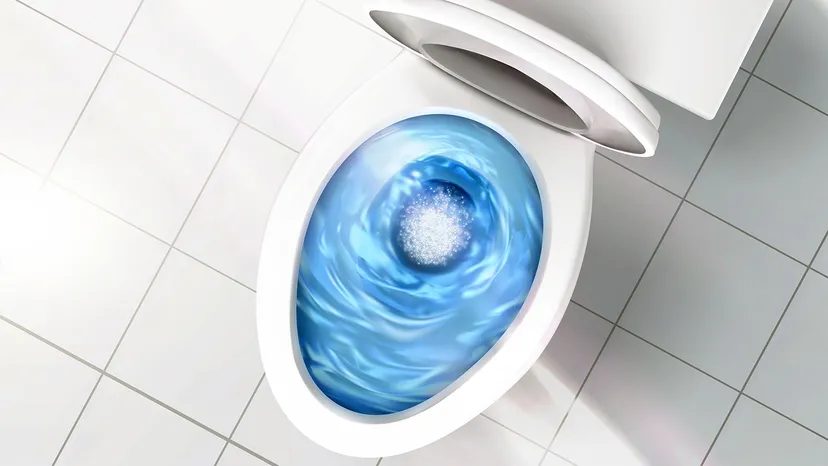
Modern plumbing has come a long way. Those old water-guzzlers from decades past? They’re relics. Today’s low-flow and high-efficiency toilets actually work. They flush cleanly. They save money. But not all of them are created equal.
If you’re swapping out an old unit, you need to know what matters. Performance isn’t just about one number. It’s a mix of mechanics, design, and noise levels.
Waste Removal and Flush Mechanics
The biggest complaint about early low-flow models was clogging. Or worse, a half-flush that left everything behind. That’s mostly history now. But differences remain.
Some toilets simply clear the bowl better than others. How? It’s about the siphon jet and the trapway design. Look for models that have been tested for waste removal. The MaP (Maximum Performance) rating is your friend here. It’s a third-party test that measures how much solid waste a toilet can handle in a single flush. High scores mean fewer callouts to a plumber.
Gravity vs. Pressure-Assisted Flushes
Not all efficient toilets are silent. This is where you need to think about your household’s tolerance for noise.
Gravity toilets use the weight of the water to create a siphon. They’re quiet. Soft. Gentle.
Pressure-assisted toilets? They’re loud. They use compressed air to force water out with explosive force. They’re efficient. They clear waste aggressively. But they sound like a jet engine taking off. If you have a bedroom above the bathroom or a light sleeper in the house, skip the pressure-assisted model. Stick with gravity. Unless you’re in a high-traffic commercial setting. Then maybe not.
Bowl Shape: Round vs. Elongated
You might think elongated bowls are just for comfort. They are. But they also affect performance.
Round bowls are smaller. They use less water to fill the bowl. That means the released water is more concentrated. It moves faster. It’s more efficient at removing waste because the volume-to-surface-area ratio works in its favor.
Elongated bowls are nicer for sitting. They’re the standard in most modern homes. But if pure flushing efficiency is your goal, a round bowl often outperforms its elongated counterpart. It’s a trade-off. Comfort vs. mechanics.
What to Look for When Buying a High-Efficiency Toilet
Don’t just buy the cheapest one on the shelf. Don’t just buy the most expensive one either. Price doesn’t always equal performance.
Here is how to pick the right unit.
Look for the WaterSense Label
This is non-negotiable. The EPA’s WaterSense label means the toilet meets strict criteria for water efficiency and performance. It uses no more than 1.28 gallons per flush. That’s significantly less than the old 3.5 or 5-gallon standards.
But here’s the key: WaterSense toilets are also tested for performance. They don’t just save water; they actually flush well. You’re not sacrificing cleanliness for conservation.
A WaterSense labeled toilet is a high-performance, water-efficient option that has been tested by MaP.
Check for Rebates
This is the part people forget. In many parts of the United States,
Stop Wasting Water: Retrofitting Your Toilet Tank
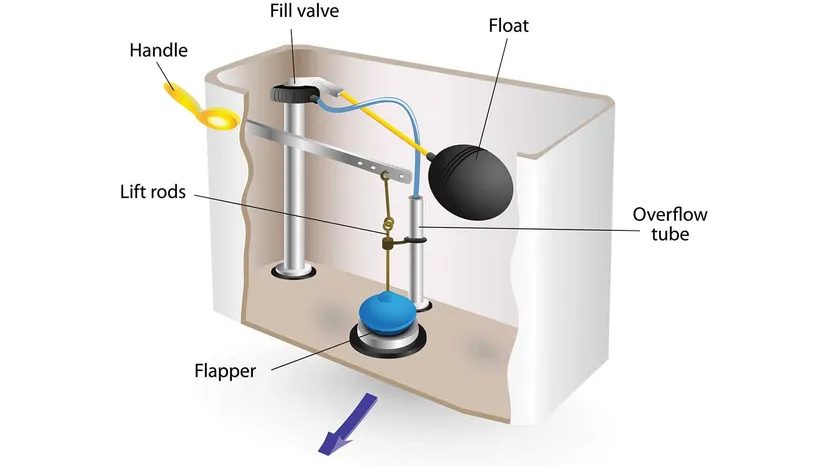
You don’t have to buy a brand-new unit to cut down on water usage. There are ways to retrofit a toilet so that it uses less water without the upfront cost of a high-efficiency model. It’s a quick fix for homeowners who want to lower their utility bills or reduce their environmental footprint without a major renovation project.
The most common approach is using a household displacement device. These gadgets sit inside the tank, taking up physical space so the tank doesn’t need to fill as high. Less volume in the tank means less water per flush. You can buy specific displacement devices, or make your own. Common DIY versions include sealed plastic bottles or heavy-duty bags filled with water. Some people even use bricks, though that’s risky.
But here is the catch: displacement devices are not recommended as long-term solutions. Bricks crumble over time. The sediment can clog your flushing mechanism and cause damage that costs more to fix than the water you saved. Plastic bottles or bags also have issues. They float. You have to weigh them down with pebbles or sand to keep them stable. If they shift, they can jam the flush valve. It’s a hassle that tends to be forgotten.
A slightly better mechanical option is a displacement dam. These are plastic barriers wedged into the tank on both sides of the flush valve. They physically block water from entering the bowl until the flush cycle completes. Because they are secured in place, they are less likely to move around and disrupt the mechanism compared to loose bottles or bags. Still, they are just another piece of plastic in a complex mechanical system that already breaks often enough.
Then there is the early-close flapper. This device changes the timing. Instead of letting the tank empty completely, it shuts off the water flow to the bowl before that happens. You get an adjustable water level, letting you fine-tune the flush. You can save water here, sure. But can you still get a clean flush? Often, no.
All these retrofit devices affect how well a toilet functions. You are essentially handicapping a machine that was designed to work at full capacity. Retrofitted toilets simply don’t work as well as new low-flow and high-efficiency toilets in clearing waste. You’ll find yourself double-flushing more often, which negates any savings.
We are in a era where technology has caught up. Low-flow toilets with excellent performance are available at a range of price points. The gap between old, wasteful models and modern efficiency has narrowed significantly. So, why add plastic bottles and adjustable flappers to a system that is already obsolete?
It’s hard to find reasons to retrofit instead. The short-term convenience of a quick fix usually leads to long-term frustration. You spend your time maintaining a leaky, inefficient system when a single replacement could solve the problem for the life of your home.
The Cost of Convenience
If you do decide to try a retrofit, keep it temporary. Test the displacement dam first. It’s cleaner than brick dust. Check the flapper adjustment daily. But don’t get comfortable. The toilet tank is a high-stress environment. Mechanical parts fail.
Water prices are going up. Efficiency standards are tightening. The logic for keeping an inefficient toilet is fading fast. You might save a few dollars today by buying a bag of pebbles and a plastic bottle. But you