
Stop guessing why your electric bill keeps climbing. It’s probably not the appliances. It’s the air. Or rather, the lack of it.
Today’s homeowners are waking up to a harsh reality. Fossil fuels are expensive. They are also finite. Every time you crank up the thermostat or blast the AC, you’re burning through money and resources. The cost of inefficient home energy use hits where it hurts: your bank account.
You want an eco-friendly home? Fine. But let’s be real. Most people start there because they want to cut heating and cooling costs. The steps are the same regardless of your motivation. Some fixes are cheap. Others require a contractor. But the starting point is universal. You need to know where the energy is escaping.
Start with a DIY home energy audit
Before you buy a single tool or hire a pro, you need to know your home’s energy weak points. This is the most critical step. And it fits almost any budget.
An energy audit is just a thorough inspection. You look for air leaks. You check insulation gaps. You evaluate your appliances. You can hire a professional, sure. They bring thermal imaging cameras and precise airflow meters. Those tools are great. They pinpoint exactly where the heat is vanishing and how much it’s costing you.
But you don’t need a camera to start. You can do this yourself. Walk around your house. Feel for drafts. Look at your attic. Check the windows. This initial survey helps you build a game plan. It tells you which projects will actually save money and which are just expensive decor.
Whether you hire an expert or DIY it, the audit is the foundation. Without it, you’re throwing money at problems you can’t see.
Control the airflow
Once you’ve identified the leaks, you have to stop them. This is where the real savings happen. Airflow is the enemy of comfort. Cold air in during winter. Hot air in during summer. Your HVAC system fights it every day. And it loses.
Sealing those leaks isn’t just about comfort. It’s about efficiency. If you’re heating the outdoors, you’re wasting fuel. Controlling airflow means using weatherstripping, caulk, and proper insulation to keep the conditioned air inside where it belongs.

Seal the gaps before you buy new glass
Drafts are stealing your money. The U.S. Department of Energy says about 20 percent of your heating and cooling energy escapes through doors and windows. In an older house with bad seals, that number jumps. If you are on a tight budget, stop looking at the big ticket items for a second. Fix the airflow first. It’s the highest ROI project you can do this weekend.
It’s not just the exterior leaks. Air moves from cool basements to warm upstairs rooms. Interior doors with no sweeps let conditioned air vanish. Gaps around electrical outlets? That’s a direct highway for waste. Check the ductwork too. Improperly sealed ducts are silent energy vampires.
You don’t need a contractor to fix this. Grab a tube of caulk for stationary gaps. Throw a draft-catcher under the door. It’s cheap. It works. Control the airflow, then look at the hardware.
How to choose energy-efficient windows for lower utility bills
If the budget allows, new windows change the game. But only if you pick the right specs. Energy-efficient windows use layers of technology to keep outside air out and inside air in.
Look for multipane windows. The space between the panes isn’t empty. It’s filled with an insulating gas like argon. This setup improves the U-factor. This measures how well the window stops heat loss. Lower U-factor means better insulation. Aim for the lowest number you can find.
The glass matters just as much as the air gap. Tinted or coated glass reduces solar heat gain. It cuts glare and keeps the house cooler in summer. This improves the Solar Heat Gain Coefficient (SHGC). Like the U-factor, a lower SHGC is better. It means less sunlight is heating up your living room.
Many manufacturers combine these features. Multipane plus low-E glazing creates a custom barrier for your specific climate.
Budget window upgrades that still save energy
Can’t afford the high-end custom units? You can still win.
Metal frames conduct heat. They act like a bridge, pulling temperature from outside to inside. Swap to nonmetallic frames. Vinyl or fiberglass frames break that thermal bridge. It’s a simple spec change that saves money upfront and pays off in lower bills.
Don’t overlook the details. A cheaper window with a good frame and proper installation beats an expensive one left to leak.

Bouncing Heat Before It Bakes the House
The sun doesn’t just warm up your windows. It blasts your roof. If your home turns into an oven in July, you’re fighting solar radiation. That’s heat energy passing straight through shingles and drywall to cook the air inside.
Enter reflective insulation.
It’s not magic. It’s physics. This material bounces radiant heat away from the interior. Hence the name. It’s often thinner than standard thermal insulation. Think aluminum foil bonded to thin wood or plastic backing. It’s usually paired with traditional insulation. Together they tackle heat from both directions. You get year-round protection instead of just summer relief.
Why Reflective Insulation Works With Standard Materials
Most homeowners know fiberglass batting, blown cellulose, or rigid foam boards. These are the workhorses. They stop conductive heat transfer through wood, masonry, and drywall. They also act as air dams. This stops drafts in attics and crawlspaces that steal your energy.
Installing basic insulation is straightforward. Unroll fiberglass between attic rafters. Drop it into an unfinished garage wall. Cover blown fill in a crawlspace with light sheets. Easy DIY.
Adding a reflective barrier changes the game. Install it as an outer envelope against the inside of the wall or roof. It boosts effectiveness without adding much time or cost. Complex jobs? Like blowing cellulose into finished walls? Leave those to contractors. You need specialized equipment. Don’t risk it.
R-Value: The Number That Actually Matters
Whether you do the work or hire a pro, check the R-value.
R-value measures resistance to heat flow. Higher number means less energy gets through. It’s the single most important spec for your wallet.
Swapping Grass for Low-Impact Landscaping
Your lawn is likely a resource hog. Traditional turf demands water, fertilizer, and constant mowing. It’s high maintenance and high waste.
Low-impact landscaping reduces that strain. It’s not about letting the yard go feral. It’s about choosing plants that thrive in your local climate with minimal help. Native grasses, drought-tolerant perennials, and ground covers replace thirsty sod.
This shift cuts water bills. It eliminates the need for chemical fertilizers that run off into local waterways. It also reduces the carbon footprint from gas-powered mowers. You spend less time on the weekend. The landscape looks better, too, with more texture and color than a flat green carpet.

Swap Grass for Native Ground Cover
Look at your yard. Really look at it. That green carpet isn’t just sitting there. It’s a machine. A gas-guzzling, chemical-hungry machine. You’re burning fossil fuels to mow it. You’re dumping synthetic fertilizers into the soil, watching them leach into the groundwater that eventually becomes your tap water. And when it rains? Poorly managed runoff floods local sewers. It’s a messy cycle.
Break it.
The fastest fix is to stop treating your yard like a soccer pitch. Shrink the lawn. Frame it. Use native plants as ground cover instead of bagged grass seed. Native wildflowers don’t need the water or fertilizer that turf grass demands. They just want to exist. This cuts your chemical output. It saves your groundwater. It also saves your wallet, since you aren’t buying bags of synthetic feed for plants that don’t need it.
Less grass means less mowing.
If you shrink the turf area, you might not need that loud, vibrating gas mower anymore. Upgrade to an electric model. Or better yet, get a manual push mower. You burn calories instead of gasoline. The emissions drop to zero. It’s a direct trade-off.
And while you’re moving things around, think about shade. Planting trees strategically isn’t just aesthetic. It’s thermal regulation. Shade trees block solar heating on hot days. Your home stays cooler. Your AC runs less. Smart landscaping works for your energy bill, not just your curb appeal.
Install Pervious Pavers to Stop Runoff
Rain shouldn’t just run off your property. It should sink in.
Right now, most yards are sealed. Roofs, driveways, streets. Impervious surfaces. When it rains, the water has nowhere to go. It channels into aging sewers and culverts. Then it dumps into local streams all at once. Those waterways weren’t built for that volume. The result is erosion. Flooding. Low-lying neighborhoods get hammered.
You can change the hydrology of your own driveway.
Use pervious pavers. These materials let water soak through the surface and into the soil below. The soil acts as a filter. It releases the water into local streams at a slow, measured rate. No sudden surges. No flooding.
You have options here.
Some pervious pavement looks like poured concrete. Others are modular bricks or tiles. You can arrange them in patterns. A tiled patio is a weekend project. You can do it yourself. Replacing an asphalt driveway with a pervious alternative? That’s heavy lifting. Call a contractor.
The choice depends on traffic. Will cars drive over it? Or just feet? Budget matters too. But the payoff is real. You’re putting the soil under your property to work. It’s a public service, right on your land.
Watch the Water
Water is the next variable.
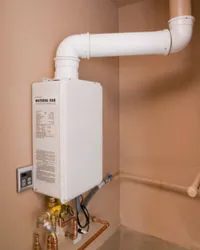
Tankless water heaters: worth the high upfront cost?
Heating water eats up about a third of your home’s energy bill. That’s a big chunk. If you’re building new or retrofitting an old place, swapping out your heater is one of the fastest ways to drop those numbers.
But let’s be real. This isn’t a cheap fix.
Tankless water heaters are the efficiency kings. They don’t store hot water. They heat it on demand. No standby loss. No cold tank sitting there wasting gas or electricity. The problem? Price. You’re looking at two to five times the cost of a standard tank unit. And that’s just the hardware. Installing one in an existing home often means upgrading your gas lines or electrical service. It’s a heavy lift.
If you have the cash and want peak efficiency, go for it. If not, there’s a smarter way to handle your current setup.
How to size your water heater correctly
Don’t buy bigger than you need. It’s a common mistake. An oversized unit burns energy just to keep water hot you’ll never use. A unit that’s too small leaves you shivering.
Look at the First Hour Rating (FHR). This number tells you how many gallons of hot water the heater can produce in one hour during peak demand. Match that to your household’s actual usage.
Check the Energy Factor (EF) too. It’s the standard efficiency metric. Higher EF means less waste. Compare models side-by-side. The math is simple. More efficiency equals lower bills.
Smart thermostats for water heater control
Imagine an assistant who watches your energy rates. One that turns off your water heater when you’re at work and ramps it up right before you get home. That’s what modern smart thermostats do.
They aren’t just for HVAC anymore. These devices track appliance usage. They monitor time-of-use energy pricing. Some even email you if something breaks.
You can schedule your water heater to cycle off during expensive peak hours. It stays cold while you’re gone. It kicks back on just in time for your evening shower.
The hardware costs more than a basic dial thermostat. You might need better broadband or phone line upgrades to keep the connection stable. But the control is precise. You stop paying for heat when you don’t need it.
The real cost of efficiency
Here’s the tension. Upgrading to tankless requires a massive investment. Smart controls require a moderate one.
Which path do you take? It depends on your budget and your willingness to deal with contractors.
Efficiency isn’t just about the machine. It’s about how you use it.
If you can’t afford the tankless swap, optimize what you have. Right-size the tank. Add smart controls. Monitor the EF.
Sometimes the best renovation isn’t a new appliance. It’s better management.
Do you really need instant hot water 24/7? Or can you live with a delay that saves you money?
Think about your habits. Shower at night? Run the dishwasher in the morning?
The technology exists to match energy use to your life. It’s not perfect. It requires setup. But it works.
Most people ignore their water heater until it leaks. By then, it’s too late to plan.
Start looking at the specs now. Check the FHR. Compare the EFs.
The savings are there. You just have to look for them.

Decode the efficiency ratings before you buy
Stop guessing. Look at the sticker.
Every major appliance — washer, dryer, water heater, dishwasher — carries a rating. It tells you how much energy it guzzles. If you don’t know what those numbers mean, you’re just picking the shiniest box. Learn the metrics. It speeds up shopping. It saves money.
Energy Star labels are the easiest shortcut. But dig deeper. Compare the annual energy use in kilowatt-hours. A cheap model might cost $50 less upfront but bleed dollars from your utility bill for ten years. Which is the real bargain?
Size matters more than you think
Get the capacity wrong and you pay for it.
Buy an air conditioner that’s too small? It runs non-stop. Your house stays hot. The compressor burns out early. Buy one that’s too big? It cycles on and off rapidly. It blasts cold air but fails to dehumidify. You get a clammy, uncomfortable home. And wasted energy.
Sizing isn’t one-size-fits-all. It depends on square footage, insulation quality, and window orientation. Measure twice. Call a pro if the math gets hairy. An oversized unit is a silent budget killer.
Installation tweaks boost efficiency
The appliance is only half the battle. How you install it changes everything.
Can you move the water heater? Shorten the hot water pipe run. Less water sits in the pipe getting cold. You wait less for heat. You waste less energy reheating wasted water.
Check the ducts. Are they sealed? Insulated? Leaky ducts dump conditioned air into the attic or crawlspace. You’re paying to heat or cool the outdoors. Fix the leaks. It’s cheap tape and mastic. It’s high impact.
Price vs. performance
New efficient appliances aren’t cheap.
But “cheap” is a relative term. A budget model might break down in three years. A premium model lasts fifteen. Factor in the repair costs. Factor in the energy savings.
Research options. Compare warranties. Look for rebates. Local utilities often offer cash back for high-efficiency models. It offsets the higher sticker price.
You don’t need to break the bank to go green. You just need to be smart. Balance the upfront cost with long-term savings. Your wallet — and the planet — will thank you.