We’ve all been there. That mountain of laundry isn’t just an eyesore; it’s a test of will. The longer you leave it, the deeper the creases settle in. Maybe you put it off for a glass of wine. Maybe it was ice cream. It happens. But postponing the fold just guarantees more ironing later. Why do we do it? It’s not just annoyance. It’s likely because we haven’t had a proper folding lesson since we were teenagers.
Let’s fix that. Here is a practical refresher on how to properly fold shirts and sweaters. No fancy tricks. Just clean lines and saved closet space.
How to Fold a Shirt Properly
Shirts come in endless varieties. Dress shirts. T-shirts. Tank tops. Tunics. Cowl necks. Long sleeves. The styles vary, and so do the folding methods. You might see Martha Stewart’s intricate geometric folds or the rigid precision of the U.S. Navy method. Forget those for now. We are sticking to the basic, effective method that works for almost any standard shirt.
First, find your surface. You need a generous, flat, and clean area. A kitchen counter works if you have the room. If not, your bed is a perfectly acceptable substitute. Just make sure it’s clean.
Start with buttons. If your shirt has them, button them all up. This small step makes the folding process significantly easier and helps eliminate unwanted wrinkles before you even begin. Lay the shirt face-down on your chosen surface. Use your hands to smooth out any existing wrinkles so the fabric lies perfectly flat.
If the shirt has sleeves, fold them in toward the middle. Keep them parallel to the shoulders. Flatten them as you go to remove any creases. Once the sleeves are tucked in, fold each side of the shirt inward so the two sides meet at the top. Finally, bring the bottom of the shirt up to the top, folding it in half. If you need to maximize storage space, you can fold it in half one more time.
The result is a neat, compact rectangle. It looks orderly. It saves space.
Read on to learn about how to properly fold sweaters.
The Anti-Sweater Crease Method
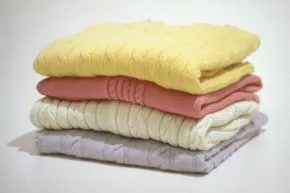
Hangers leave those ridiculous ridge marks on wool and knitwear. You know the ones. They ruin the shoulder shape and look like you’ve been wearing a backpack all day. Rihanna might have made shoulder pads cool again, but hanger-dents are just a fashion faux pas nobody wants. Folding is the only way to keep these garments in their proper form and avoid snagging them while digging through a crowded rack.
Here is how to actually fold a sweater without ruining it.
The Step-by-Step Fold
Lay the garment face down on a clean, flat surface. Flatten it out gently. Do not pull or stretch the fabric. If it is a cardigan, button it first to reduce wrinkling.
- Fold the sleeves into the center. Align them straight across to the opposite shoulder.
- If the sleeves stick out past the other side, fold them back over themselves for a tight package.
- Here is the differentiator between a shirt and a sweater: place tissue paper on the sweater after folding the arms in.
- Fold the bottom up to the top. Let the tissue paper fold over with it.
The tissue paper acts as a buffer. It prevents sharp creases from setting into the fold lines. If the sweater is thin and you are desperate for storage space, you can fold it one more time in half.
Hanging When You Have No Choice
If you are short on drawer space, hanging is a viable alternative. But you cannot just drape it over the bar. Experts recommend creating a clean, flat fold lengthwise. Hang the folded bundle from the bottom rung of the hanger.
Place a piece of tissue paper between the hanger and the sweater. This stops the plastic or wire from digging into the fabric. It is the same trick dry cleaners use.
Visibility Equals Wearability
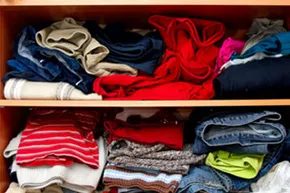
Cluttered drawers are a waste of space. Experts advise keeping everything in plain sight. Drawers stuffed to the brim are unacceptable because you cannot see what is buried at the bottom.
How many times have you stood in front of a full closet declaring you have nothing to wear? You are just staring at a wall of clothes you forgot existed. A little reorganization can help you rediscover forgotten shirts and sweaters.
Store folded delicate items on open-air shelves. It makes viewing easier. It forces you to actually see your inventory instead of guessing what is at the bottom of the pile.