Fine sandpaper is best for flat panels. However, try drawing a rigid rectangle of paper around complex shaped contours or into tight corners. It folds. It tears. It fails.
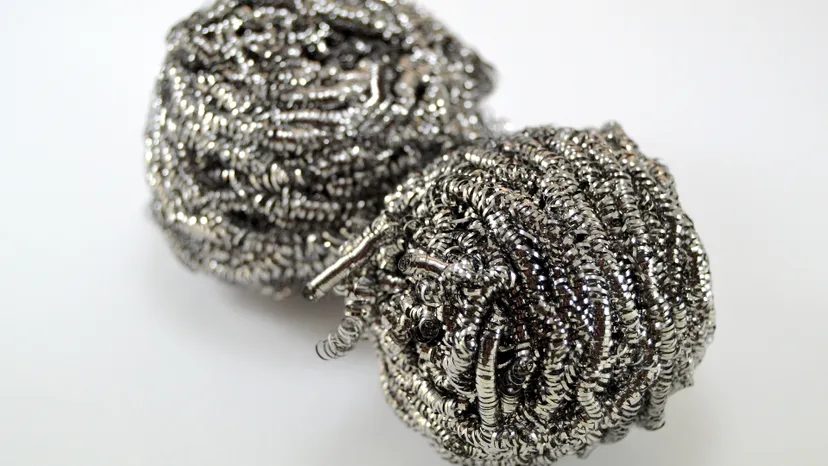
Steel wool solves this problem.
The threads are flexible. It is compressed. It fits any shape. This makes it ideal for beveled edges, intricate moldings and corners that sandpaper can’t reach.
But it’s not just the shape. The very fine strands cut on the surface. Very thin layers can be removed without causing severe wear. result? Smooth surface, smooth touch.
Select the correct level
Not all steel wool is created equal. Grading systems vary from coarse to fine. You need to choose the right grade for your work so that your project doesn’t get ruined.
Coarse grade (No. 4 and 5)
These are the heavyweights. Use to remove old paint, varnish or finish from wood. Remove the old layer quickly to prepare the surface for new work. they are very aggressive. Be careful not to scratch the wood underneath.
Fine level (0000 and 00)
This is where most of the finishing is done.
* 0000 (Very Fine): ** The gold standard for “rubbing” the final coating. It’s more of a cut than a tear. Creates a mirror or satin finish. Use for sanding (cutting) between finishes to ensure the next layer adheres perfectly.
* 00:** For general leveling and light sanding between layers.
How to use
Technique matters. If you rub it too hard, it leaves a swirly mark.
* For wide flat surfaces: Use long strokes that follow the grain of the wood. This makes the surface look smooth.
* Edges and curves: Use short, controlled friction. Fit the wool into the shape. Do not press too hard. Let the abrasion do the work.
Risk of rust
Steel wool is basically iron. Iron rusts. This is Chemistry 101.
This imposes a major limitation. Steel wool must not be used between water-based finishes or paint layers. Exposure to moisture can cause rust. Small pieces break off during sanding. If you cover these with water-based paint, the rust will stay. Orange spots that go unnoticed until it’s too late can ruin even your perfect finish.
There are also risks associated with using plaster. Steel wool fibers can stick to porous surfaces. Once it gets there, it rusts and stains the walls.
** Can you fix it? **
If you accidentally leave a piece behind, try the following steps.
1. Wipe the area with a soft cloth.
2. Pull the embedded fibers out of the surface with a strong magnet.
Steel wool is safe to use with oil-based surface treatments. The oil repels water and prevents rust. For water-based projects, use synthetic polishing pads instead.
In addition to wood products
Steel wool can be used for more than finishing furniture.
- Cookware Cleaning: Scrub off stubborn cooking stains from metal pans. First, soak the pot first. Then rub. Effective on steel cookware, but gentle on non-stick coatings.
- Jewelry and metal crafts: Jewelers use it to polish metal surfaces. It gives a shine without the harsh scratches caused by harsh abrasives.
- Pest control: Rats hate steel wool. You can’t chew through tangled fibers. Stick it in entry points where mice are likely to get to. If swallowed, it can cause internal issues. This is a physical barrier, not a chemical barrier.
Safety above all
Steel wool is very sharp. Not knife-sharp. But sharp enough.
If enough force is applied, the fibers can pierce the skin. This is very annoying. It stings. May cause minor cuts.
Wear gloves. Always. Be especially careful when handling rough materials. The fibers are so thin that they can slip through the fabric when loosely woven. Use nitrile or durable work gloves. It can also protect your eyes. Flying bits can cause irritation.
This is an affordable and versatile tool. But it requires respect. Choose the correct grade. Be careful of rust. And don’t forget the gloves.
The result you want is right there. Sometimes you just need a softer touch.