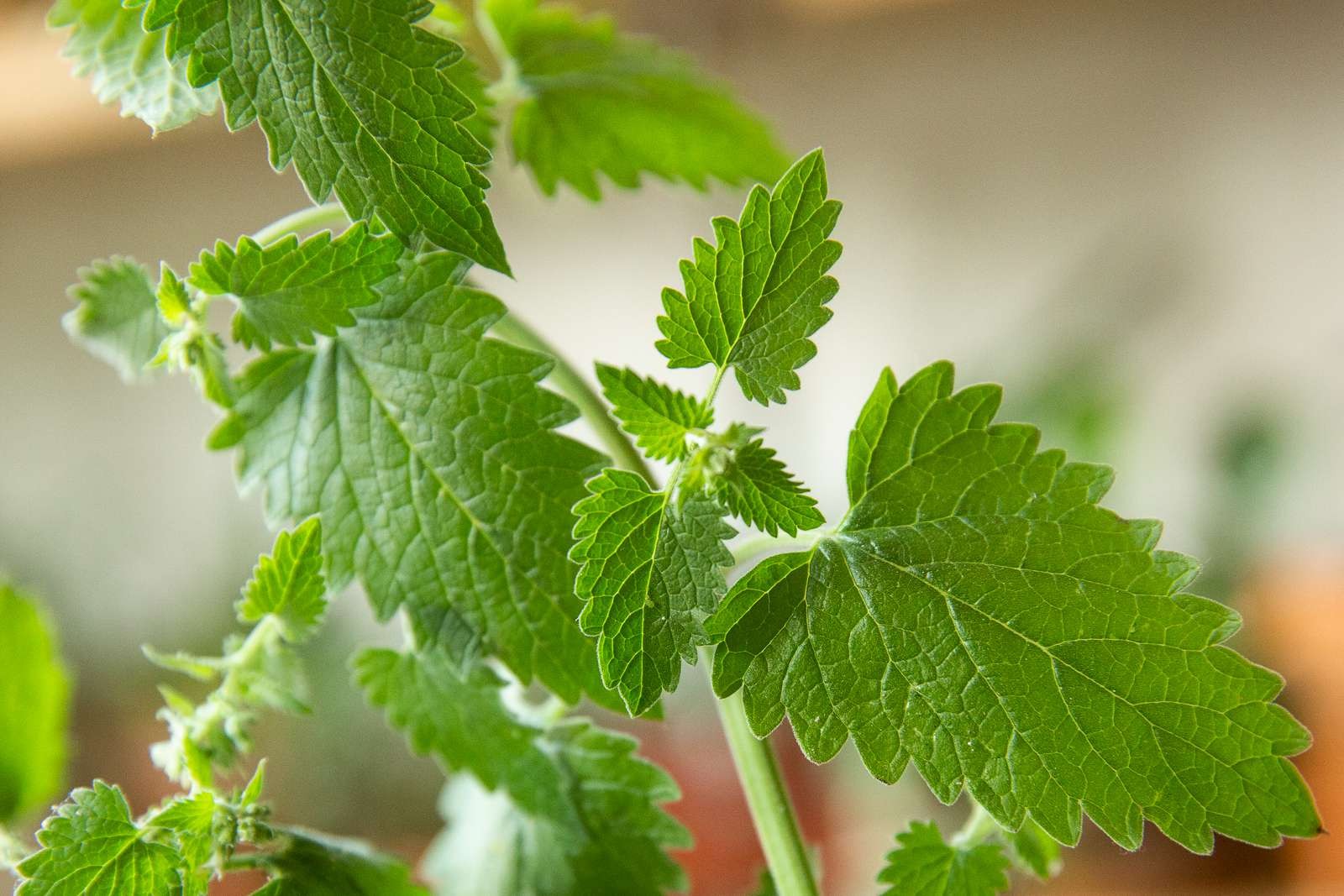
Botanical name: Nepeta cataria. Common name: Catmint. Or just “the green stuff my cat eats until they’re dizzy.” It’s in the Lamiaceae family, which means it’s cousins with basil and mint. Expect a perennial herb that gets two to three feet tall, spreads the same way, and basically refuses to die. It’s native to Europe and Asia but feels right at home in USDA zones 3 through 7.
Here’s the catch. It’s toxic to cats. Well. Sort of. Not poison, per se. It causes a controlled chaos in their brain chemistry. You have been warned.
Get It In The Ground
Wait for the frost to pass. Spring is the move. If you’re starting from seed, begin indoors six weeks before your last expected freeze.
Sunlight matters. Plant it where the sun hits hard—at least six hours a day. If you live somewhere that melts asphalt in July, give it shade in the afternoon. No boundaries? No problem. Or is it? Catnip spreads like gossip. It invades. Use a pot. A raised bed. A stone wall. Something to stop it from taking over the whole neighborhood. A sunny windowsill works too. Direct light. No filters.
When you’re in the garden, space them 18 inches apart. Maybe 24 if you like room. Bury them at the same depth as the nursery pot. For seeds, barely cover them. Light touch. They don’t need scaffolding or support structures. They’re tough.
How to Actually Keep It Alive
Water. Less is more. Catnip hates wet feet. Seriously. Drown it, and it dies. Keep seedlings barely moist. Let the mature plants go a little brown and crispy before you touch a hose. If it wilts? Drench it. Then ignore it for a week.
Soil pH is flexible. Acidic, neutral, or alkaline, it doesn’t care. Sandy or loamy is best. Just drain the water out.
Heat and humidity are the enemy. Ideally, you want temperatures between 55 and 70 degrees. If it gets humid and hot, air it out. Fungi loves stagnation. Open windows. Good circulation.
Fertilizer? Skip it. Toss some compost in when you plant. That’s usually it. Unless your dirt is literally just red clay from a construction site, you’re fine. A dash of liquid plant food in the spring won’t kill it, but don’t get carried away.
It is a self-pollinator. It also brings the bees. That is usually a good thing unless your cats decide to wrestle the pollinators.
Types and Look-Alikes
It’s not just one plant. Nepeta citorodora is lemon catnip. Smaller. Smells like citrus. Nepeta camphorata stays under two feet and smells medicinal. Nepeta parnissica is Greek catnip, small with pink flowers.
Then there’s the confusion. People call Nepeta mussinii “catmint.” It looks like catnip—square stems, gray-green leaves—but its flowers are purple. Catnip’s are white. More importantly, mussinii doesn’t trip out cats. It’s prettier. Neater. Use that for landscaping if you hate seeing pets having existential crises. Catnip? Keep that separate. Or accept the consequences.
Cutting, Drying, and Replanting
Wait until it blooms. Late morning is best. The dew is gone. The sun hasn’t fried the oils yet. Cut the whole stem if you want. Don’t be shy.
Dry it immediately. Hang it upside down in a dark, ventilated room. Not the kitchen sink. Dark and dry. Two to three weeks. Crumble it. Put it in sachets. Stick it in toys. Give it to your pet and watch the magic happen.
Potting? Do it. Pots contain the invasion. Use unglazed clay if you can; it breathes. The pot needs to be 12 inches wide at least. Drainage holes are mandatory.
Pruning isn’t optional if you hate mess. Pinch back young plants to make them bushy. Deadhead the flowers before they make seeds, or you will have catnip in next March that you didn’t plan for. Cut down the underground runners if they start creeping. In late fall, after the frost, chop the whole thing back to a few inches. It looks dead. It’s not. It will come back stronger.
Propagate? Easy. Stick a 4-inch cutting in water or soil in early summer. 45-degree angle. Roots in a week. Or dig up a whole plant in spring and split it in half. Both halves live. Now you have two. Problem solved? Probably not. You have two invasive plants.
From seed? Freeze them overnight first. Soak for 24 hours. Plant a eighth-inch deep. Germination in two weeks if you keep the dirt damp and warm.
The End (Or Start?) of the Season
Overwintering is simple. Cut the tender stuff back in fall. Stop fertilizing. Stop watering. Wet soil in winter kills roots. Let it sit in the dark. It’s a perennial. It survives.
Pests? Rarely. Diseases? Rot if you water too much. And the cats. They will roll on it. They will rub their faces into it until the stems break. Fence it in. Grow it in a pot. Protect the plant from the very beings that made it famous.
Is it worth the invasion? The mess? The smell?
If you have a cat, you probably already know the answer. 🌿