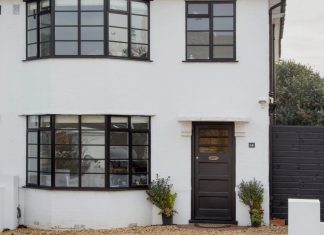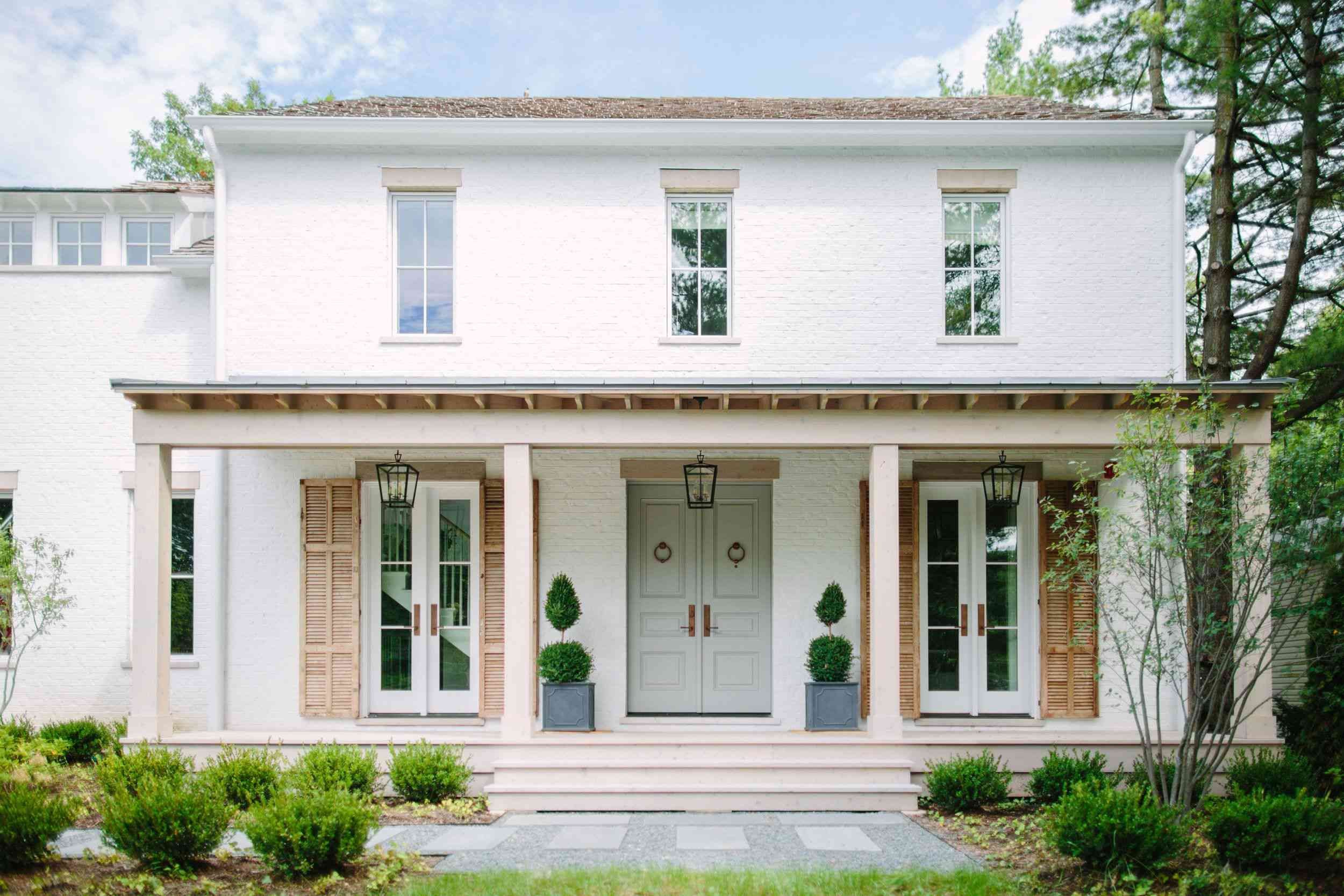
Curb appeal matters. Obviously. If you are selling a house, you know the game. The exterior is the handshake before anyone even sees your kitchen. Ignore it? You leave money on the table.
I asked two agents, Charlie Lankston and Tim Yee, what actually works. No surprise here. They agree on the single most important feature.
The front door.
It is the headline
Lankston puts it plainly. Your door is the headline of the story you are selling. It pulls the eye in. It sets the mood.
Yee says the same thing, but with more gravity. It is what buyers see first. Before they step inside, they are judging. That judgment starts with wood. Metal. Paint.
“A well-presented entryway boosts visual impact and perceived value instantly,” Lankston says.
Whether your home looks like it belongs in 1920 or 2050, this holds true. The entrance makes the house. Or breaks it.
Paint it or replace it?
Look at your door. Be honest.
Is it peeling? Cracked? A weird style that fights the rest of the house? Yee says toss it. “Change it out if it detracts from the elevation.”
It costs money, sure. But maybe it doesn’t cost that much. Paint is cheap. A bold coat of navy? Forest green? Black? Those are safe bets. They signal quality without shouting.
“Deep navy, forest green, rich black. Timeless. Buyer-friendly.”
Avoid neon. Avoid “quirky” designs you fell in love with in 2018. Buyers want a canvas, not a costume party. You might love electric purple, but the person with the mortgage check doesn’t. Keep the volume down.
Details matter. More than you think
Once the paint is dry, look around.
Did you notice that the hardware is brass? Or rusted? Change the handle. Add a clean welcome mat. Put up some lanterns. Flank it with planters.
“Crisp. Curated. No full reno needed,” Lankston notes.
But wait. You just painted the door, right? So why does the siding above it look like a crime scene? Why is the light fixture from the last millennium still hanging there?
Buyers will notice. They always notice the distraction.
Peeling paint on the trim. Clutter in the foyer. These things steal the spotlight from your masterpiece door. Fix them. Or at least hide them.
Don’t scare them
Yee brings up a darker point. Security bars.
They might make you feel safe. They make buyers think the neighborhood is a war zone. Plus, they are arguably fire hazards. Bad vibes.
Take them off. Or upgrade them to something that looks less like a jail cell. Send a signal that the street is safe, not hostile.
The rest of it
Do other things matter? Sure. Grass. Windows. Garage doors.
Lankston and Yee say yes, but with a caveat. It is all in the details. Not the grand gestures. The small ones.
The door gets them to look. The details make them stay.