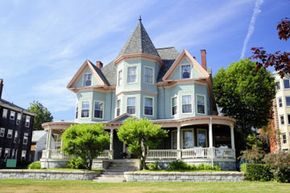
Buying a historic home feels like stepping into a storybook. It’s romantic, right up until you realize the rules of the game have changed. You aren’t just buying walls and a roof. You are buying into a legacy that comes with strings attached. The process of acquiring a historic property differs significantly from a standard purchase. You need to know where you stand before you make an offer.
First, you need to determine if the building is officially recognized. There are two main entry points here. You can look at properties before they are designated or after. Your real estate agent, the seller, or your own gut instinct might flag a house as “historic.” But feelings don’t count. Verification does.
Start with the National Register of Historic Places (NRHP). Is the property listed there? If the answer is no, don’t walk away yet. That doesn’t mean it isn’t historic. It might be part of a designated historic district. Use the advanced search feature on the NRHP website to look up specific districts. Being inside the perimeter of a historic district carries its own weight, even if the individual house isn’t on the federal list.
There is also a third, often overlooked category. Was the house built before 1936? If so, there is wiggle room. A previous owner might have worked with a local or state agency to secure benefits associated with historic status without securing an official NRHP listing. These informal agreements can still offer tax breaks or preservation incentives. When in doubt, check with your local historic preservation office. They either know about applications and designations or can point you to the local resources that can tell you definitively if the property has a historic pedigree. The National Park Service site has quick links to state historic preservation offices. From there, you can find contact info for local societies.
Once you confirm the status, the real question becomes: why do this? Why take on the headache?
The Benefits of Historic Property Ownership
There is no such thing as a free lunch. But owning a designated historic home offers tangible financial and aesthetic advantages. Let’s look at the good stuff first.
Sometimes, “historic” is just a polite real estate term for “fixer-upper.” If your target property is both genuinely historic and in need of serious work, the U.S. Department of Housing and HUD can step in. The Federal Housing Administration’s 203k program is your friend here. It allows prospective buyers to roll up to $35,000 of additional funds into their mortgage specifically for renovating historic properties. That is cash you might not otherwise have access to for major structural repairs.
Then there is the money you keep. Historic properties often qualify for tax freezes, abatements, or credits. These incentives can come from federal, state, county, or local governments. Some apply outright. Others are applied against proposed renovations. The federal level, however, has a catch. Most federal tax breaks require the property to be “income-generating.” This means if you are fixing up your primary residence, you likely won’t get the 20 percent renovation credit. But if you are converting the historic building into a business space, that money is yours.
One of the most attractive options for residents is the preservation easement. This is a legal agreement between you, the owner, and a preservation agency. You agree to maintain or restore the historic character of the property. In exchange, you receive tax breaks. Many states and cities have established systems to evaluate these proposals. However, the specifics vary wildly. You will need to check with your local historic preservation office to see if a program exists in your area and how to apply.
“An easement is an agreement between the owner of a historic property and a government, nonprofit or private historic preservation agency. Effectively, you agree to either renovate or preserve the historic property in exchange for tax breaks.”
These benefits are significant. But they come with a price. You must balance the incentives against the restrictions.
The Downsides of Historic Property
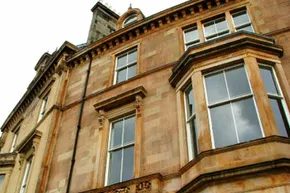

There is no such thing as a free lunch. In the world of historic preservation, this rule is enforced with particular rigor. You might think you are just buying a house with nice old bones. In reality, you are often entering a contractual relationship with strict rules. The trade-off for tax breaks is usually self-imposed restrictions. You can’t just do what you want. You can’t just renovate how you please.
Consider the facade easement. This is a common legal tool. It works by having the owner effectively donate the exterior view of the property to a preservation organization. This donation is a charitable contribution. It lowers your tax bill. But it also lowers the potential resale value. Why? Because the buyer can’t change the front of the house. You need to check the deed. Always check the deed. Look for these easements before you sign anything. Ask if they are indefinite. Ask if they have an expiration date. Ask about the tax implications. They are complex.
This arrangement can be a windfall or a trap. It depends on your goals. Maybe you want a lower purchase price. Maybe you like the idea of a guaranteed historic look. That is good. Or maybe you plan to gut the interior. Maybe you want to change the windows. In that case, you are in trouble. You will face significant hurdles. Some people describe the approval process as fiery. It is often bureaucratic and slow. The easement can cover more than just the front. It might cover the interior. The structure. The landscaping. Anything that makes the place historic.
The lesson is simple. Historic properties require extra due diligence. Look at the title. What is attached to it? If nothing, you are free. Explore the tax advantages on your own. If there are riders, weigh them. Is the headache worth the benefit? For most people, the answer is yes. But you need to know what you are signing up for.
Buy Historic Property FAQ
Are there tax incentives for owning a historic home?
Yes. A historic property may qualify for a tax freeze. Or a tax abatement. Or tax credits. These come from federal, state, county, or local governments. They can be applied against proposed renovations. The Federal Historic Preservation Tax Incentive Program offers a 20% tax credit. This applies to rehabilitated historic properties that are income-producing. It is a significant incentive for those who can navigate the paperwork.
Are historic homes a good investment?
BobVila.com suggests they are. A historic property’s value can be as much as 26 percent higher than other homes in the area. It tends to be less affected by market downturns. Stability is a plus. But there are downsides. Homes and neighborhoods listed on the National Register are highly regulated. Renovations are difficult. Even necessary repairs can be blocked. Age brings problems. Regulations bring more problems.
What qualifies a home as historic?
The National Register of Historic Places has specific criteria. They look for associations with significant historical events. Or persons significant in our past. The house must embody distinctive characteristics of a type, period, or method of construction. It might represent the work of a master. Or possess high artistic values. It could be a significant entity whose components may lack individual distinction. Or it might yield important information in prehistory or history.
How old does a home have to be to be considered historic?
Generally, at least 50 years. If it is younger, it must be exceptionally important. That is a high bar. Most qualifying homes are mid-century or older. You won’t find many 1980s ranchers on the list unless they are architectural marvels.
Are historic houses cheaper to own?
No. Generally, they are more expensive. To purchase. To renovate. To maintain. The age of the home plays a role. Strict rehabilitation guidelines add cost. Utility costs are often higher. Old windows leak. Old wiring is a hazard. These factors are outside your control. You pay a premium for the history. You also pay for the privilege of preserving it.